Retatrutide Shows Significant Efficacy in Reducing OSA Severity
A new study reveals that the investigational drug retatrutide significantly alleviates obstructive sleep apnea symptoms in overweight adults.
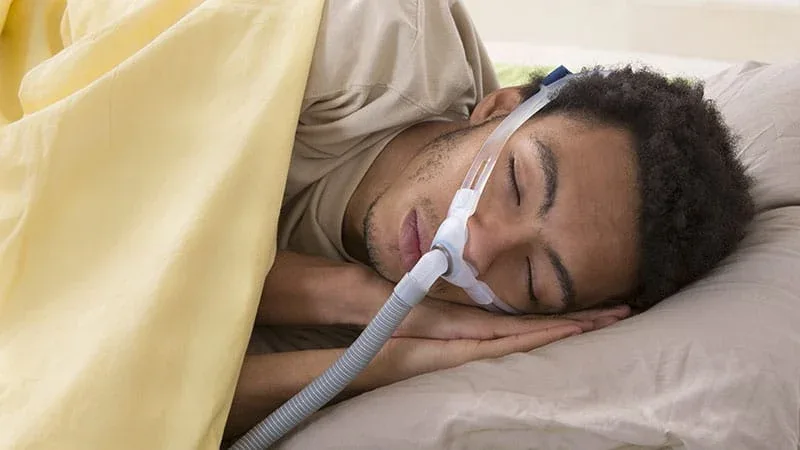
Retatrutide led to substantial reductions in apnea-hypopnea index in adults with obstructive sleep apnea.
Over 51% of participants without diabetes achieved remission of OSA after 80 weeks of treatment.
The drug also resulted in significant weight loss and improved sleep-related quality of life.
In a groundbreaking study, the investigational weight-loss medication retatrutide demonstrated a significant reduction in the severity of obstructive sleep apnea (OSA) among adults with obesity, with or without type 2 diabetes. Conducted over 80 weeks, the research involved two phase 3 randomized trials that highlighted the drug's effectiveness in decreasing breathing interruptions during sleep compared to a placebo.
The trials, named TRIUMPH-1-OSA and TRIUMPH-2-OSA, enrolled participants with moderate to severe OSA and a body mass index (BMI) of 27 or higher. The study revealed that participants receiving retatrutide experienced a notable decrease in their apnea-hypopnea index (AHI), a key measure of OSA severity. For those without diabetes, the AHI dropped by an average of 34.3 events per hour with the 9 mg dose, while those with diabetes saw reductions of 24.7 events per hour.
Data from the trials indicated that 51.6% of participants without diabetes achieved remission or mild OSA after treatment, a stark contrast to only 12.5% in the placebo group. Additionally, the drug led to significant weight loss, with participants losing an average of 22.2% of their body weight at the 9 mg dose, compared to just 4.8% in the placebo cohort. The findings were published in The New England Journal of Medicine and presented at a major sleep research congress.
The implications of these results are profound, suggesting that retatrutide could offer a new therapeutic avenue for managing OSA, particularly in populations struggling with obesity. The reduction in sleep apnea severity could potentially alleviate associated health risks, including cardiovascular issues linked to high hypoxic burden during sleep.
Looking ahead, further research is needed to explore the long-term cardiovascular outcomes related to retatrutide treatment and to determine its comparative effectiveness against other weight-loss medications, such as tirzepatide. Experts recommend ongoing monitoring of patients' OSA symptoms, especially those considering pausing CPAP therapy after significant weight loss, to ensure that treatment remains effective.


