New Study Reveals Genetic Links Between Cat and Human Cancers
A groundbreaking study uncovers genetic similarities between cancers in cats and humans, potentially revolutionizing treatment approaches.
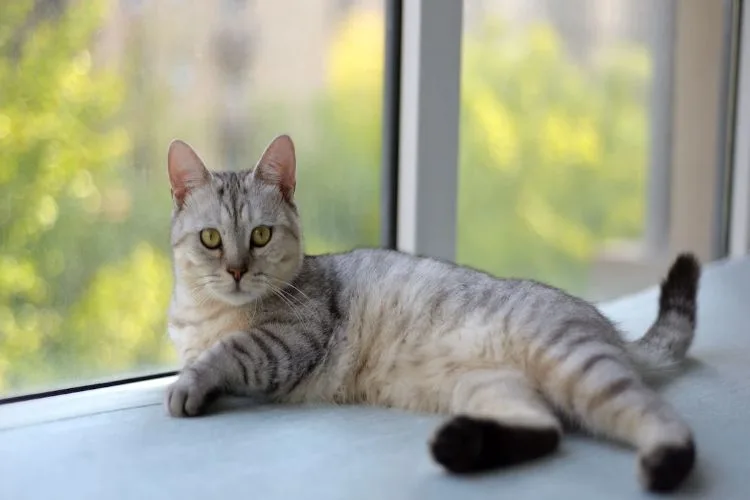
Researchers analyzed cancer genetics in nearly 500 cats across five countries.
The FBXW7 gene mutation found in cat tumors parallels similar mutations in human breast cancers.
The study supports the One Medicine approach, emphasizing shared insights between human and veterinary medicine.
A recent study published in the journal Science has unveiled significant genetic similarities between cancers in domestic cats and humans. Conducted by an international team, the research analyzed tumor samples from nearly 500 cats across five countries, marking a pivotal advancement in understanding feline cancer genetics. This groundbreaking work not only aims to enhance cancer treatment for cats but also offers new insights into the mechanisms of cancer development in humans.
Historically, the genetic underpinnings of cancer in cats have been less understood compared to those in humans and dogs. Dr. Geoffrey Wood, a pathobiology professor at the University of Guelph and co-senior author of the study, noted that this gap in knowledge has begun to close. The study's findings reveal that many driver genes implicated in feline cancers are also present in human and canine cancers, particularly in aggressive forms of mammary cancer.
Among the key discoveries was the identification of the FBXW7 gene, which is commonly mutated in cat mammary tumors. Over 50% of the tumors examined carried this mutation, which is known to affect cell growth and division. Similar mutations in humans are associated with poorer cancer prognoses, highlighting a critical link between the two species. Additionally, the researchers found genetic similarities across various cancer types affecting blood, bones, lungs, and other systems, suggesting a broader relevance of their findings.
The implications of this research extend beyond academic interest; they could significantly impact cancer treatment strategies. The study indicates that certain chemotherapy drugs may be more effective against tumors with the FBXW7 mutation, although further research is needed to confirm these results in living cats and humans. This approach aligns with precision oncology, which tailors treatment based on the genetic characteristics of individual tumors, potentially leading to better outcomes for both cats and humans.
Looking ahead, the researchers are optimistic about the future of feline cancer research. The establishment of a genetic database is expected to facilitate more personalized cancer care for cats. Dr. Louise Van Der Weyden, a senior author at the Wellcome Sanger Institute, emphasized the study's role in advancing precision feline oncology, aiming to match the diagnostic and therapeutic advancements available for dogs and, ultimately, humans. This research underscores the value of the One Medicine approach, which advocates for the mutual benefits of insights gained from both human and veterinary medicine.