New Study Reveals Enzyme Blockade Can Aid Knee Cartilage Regeneration
Research indicates that inhibiting a specific enzyme may significantly enhance the regeneration of knee cartilage in aging populations.
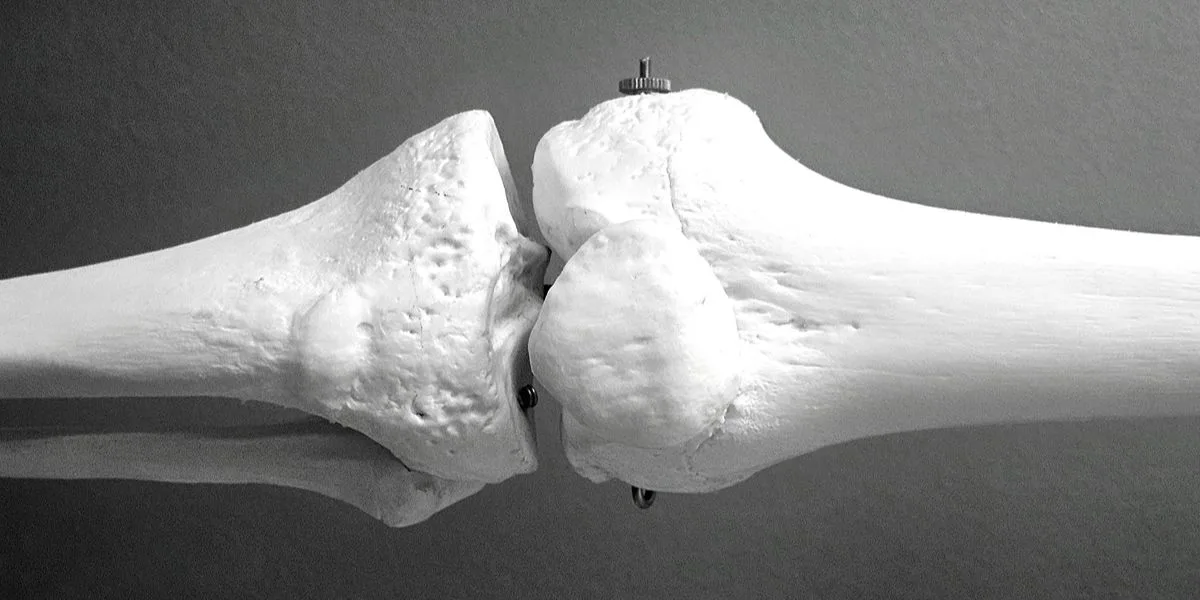
Blocking the enzyme 15-PGDH showed promising results in regenerating knee cartilage in older mice.
The treatment reduced osteoarthritis symptoms and improved cartilage health in human tissue samples.
Further clinical trials are necessary to confirm the effectiveness of this approach in humans.
A recent study published in the journal Science has unveiled that blocking a specific enzyme, 15-hydroxy prostaglandin dehydrogenase (15-PGDH), may facilitate the regeneration of knee cartilage in older individuals. This breakthrough research from Stanford University highlights the potential of targeting this enzyme to address a significant medical issue affecting millions who suffer from joint pain and cartilage degradation as they age.
Historically, joint pain and osteoarthritis have posed serious challenges for the aging population, with limited treatment options available that directly address cartilage loss. The study's lead author, Dr. Nidhi Bhutani, an associate professor of orthopedic surgery at Stanford, emphasized that existing treatments have not effectively targeted the underlying causes of cartilage damage. The research team focused on the role of 15-PGDH, which was found to be present in higher levels in the knee cartilage of older mice compared to their younger counterparts, leading to the hypothesis that inhibiting this enzyme could promote cartilage repair.
In their experiments, researchers administered a small-molecule drug designed to inhibit 15-PGDH to older mice and observed significant increases in the thickness of articular cartilage. Notably, the regenerated cartilage was primarily hyaline cartilage, which is essential for joint function. Additionally, the treatment demonstrated protective effects against osteoarthritis following knee injuries, with treated mice showing less degeneration and improved mobility compared to untreated subjects.
The implications of this research extend beyond animal models, as the team also analyzed human cartilage samples from patients undergoing knee replacement surgery. After exposure to the 15-PGDH inhibitor, the human tissue exhibited changes in gene activity that suggested decreased cartilage degradation and enhanced production of healthy cartilage. However, it is crucial to note that these findings were based on laboratory conditions, and further clinical trials are required to ascertain the safety and efficacy of this treatment in human patients.
Looking ahead, the research team is optimistic about the potential for 15-PGDH inhibitors to revolutionize treatments for osteoarthritis and cartilage damage. As they prepare for future clinical trials, the hope is that this innovative approach could offer a new avenue for restoring joint health in aging populations, ultimately improving quality of life for millions suffering from joint-related ailments.