New Study Links Lichen Planus to Increased Cancer Risks
A recent study involving over 35,000 patients in Denmark highlights the connection between lichen planus and various cancers, urging better patient management.
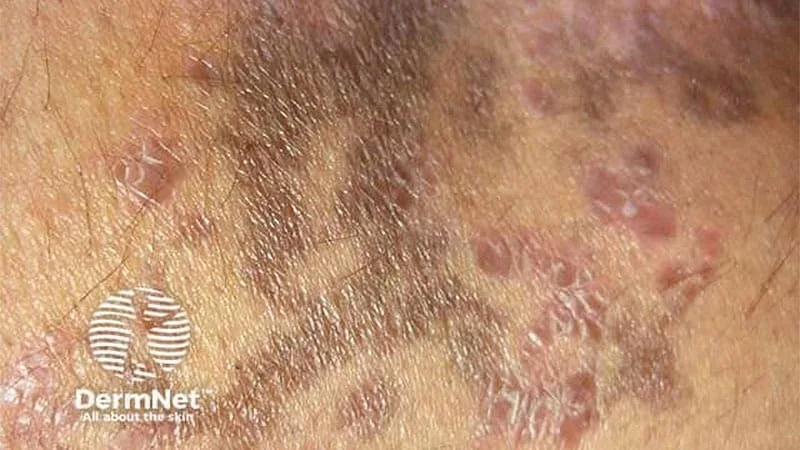
The study found a 9- to 14-fold increased risk of oral cancers in patients with oral lichen planus.
Genital lichen planus was associated with a 17- to 24-fold increased risk of genital cancers.
Experts call for enhanced monitoring and management strategies for patients with lichen planus.
A significant new study published in JAMA Dermatology has revealed a strong association between lichen planus (LP) and various types of cancer, based on data from over 35,000 patients in Denmark. Conducted by researchers at the Danish Cancer Institute, the study emphasizes the need for improved monitoring and management of LP, a condition that has been historically understudied. The findings indicate that patients with LP are at a notably higher risk for developing cancers, particularly those affecting the oral and genital regions.
The research, which included 35,845 patients diagnosed with LP, aimed to explore the cancer risk across different anatomical sites affected by the condition. Dr. Cecilia Egede Medianfar, the lead author, noted that while LP has long been linked to increased cancer risk, particularly oral cancer, this study is the first to comprehensively assess multiple affected sites. The results showed that oral LP patients face a 9- to 14-fold increased risk of oral cancers, while those with genital LP have a staggering 17- to 24-fold increased risk for genital cancers.
Among the female participants, the study reported increased standardized incidence ratios (SIR) for various cancers, including a SIR of 6.0 for lip cancer and 7.5 for oral cavity cancer. Additionally, the risk for vulvar cancer was also elevated. In men, the study found a 2.6 SIR for penile cancer among those with any form of LP. Despite these significant findings, the overall absolute risk of cancer remains low, prompting experts to advocate for better patient education and follow-up strategies.
The implications of these findings extend beyond individual patient care, highlighting a broader need for enhanced management protocols for LP and its associated risks. Experts like Dr. Adam Friedman emphasize the importance of recognizing the malignant potential of LP across various anatomical sites, which could lead to improved clinical practices. The study's results may serve as a wake-up call for healthcare providers to adopt more vigilant monitoring strategies and personalized care plans for patients with LP.
Looking ahead, the authors and experts stress the necessity for further research to understand the underlying mechanisms linking LP to cancer. They advocate for more comprehensive studies to explore the disease's natural history and its complications, which could ultimately lead to the development of targeted treatments. As the understanding of LP evolves, the focus on patient-centered care and effective management strategies will be crucial in addressing the needs of this patient population.


