New Study Links COVID-19 to Increased Risk of Six Allergic Conditions
A recent study reveals that COVID-19 infection may elevate the risk of developing six allergic conditions in both children and adults.
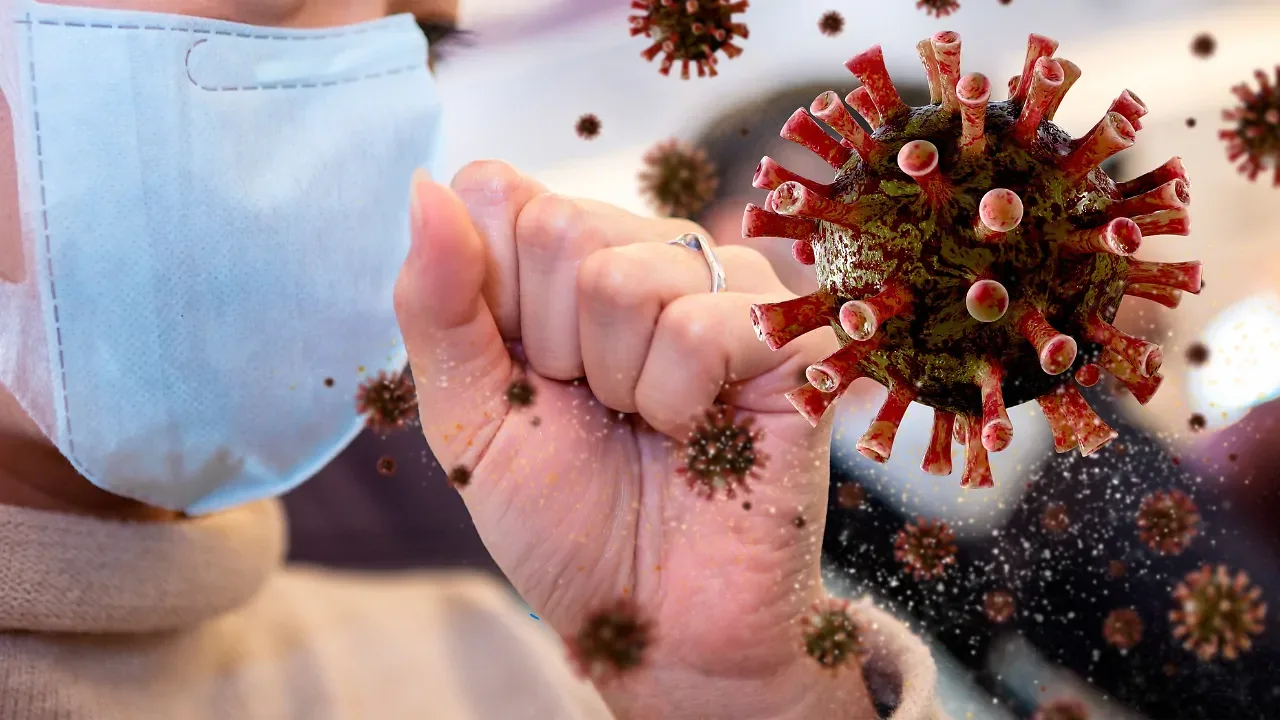
COVID-19 is associated with a heightened risk of atopic dermatitis, asthma, food allergies, and more.
The study highlights the importance of monitoring allergic conditions post-COVID-19 infection.
Socioeconomic factors may play a role in the risk of developing asthma after infection.
A new study published in the Annals of Allergy, Asthma & Immunology indicates that individuals infected with SARS-CoV-2 may face an increased risk of developing six allergic conditions. This research, which analyzed data from people aged 1 to 64, underscores the ongoing health implications of the COVID-19 pandemic, even as it appears to be receding.
The researchers conducted a retrospective cohort study utilizing a 1:2 propensity-score matching method to explore the relationship between COVID-19 infection and the emergence of allergic conditions over an 18-month period. The findings revealed that those who contracted COVID-19 were more likely to develop atopic dermatitis, asthma, food allergies, rhinoconjunctivitis, medication allergies, and urticaria (hives). Notably, asthma and rhinoconjunctivitis were significantly linked to prior COVID-19 infection among active-duty individuals, while children showed a strong association with all conditions except for food allergies.
The study's authors, affiliated with the University of Washington School of Medicine, emphasized the potential public health burden posed by allergic diseases following COVID-19. They advocate for vigilant monitoring of allergic conditions in patients recovering from COVID-19 to ensure timely identification and treatment. The research suggests a possible connection between SARS-CoV-2 infection and type 2 inflammation, a key immune response pathway involved in various allergic diseases.
Furthermore, the study highlights that SARS-CoV-2 can disrupt the immune system and impact multiple organs, a phenomenon observed early in the pandemic with cases of multisystem inflammatory syndrome in children (MIS-C). The emergence of long COVID, characterized by symptoms such as fatigue and respiratory issues, also raises concerns about lasting health effects.
Looking ahead, the researchers stress the need for further investigation to clarify the relationship between COVID-19 and allergic diseases. While the study establishes an association, it does not confirm causation, indicating that more research is needed to understand the mechanisms at play and to develop effective monitoring and treatment strategies for those affected.