New Study Links Cellular Energy Failure to Allergy Development
A groundbreaking study suggests that allergies may stem from energy failures in barrier cells rather than the immune system.
Research analyzed data from 3,776 patients across 116 cohorts.
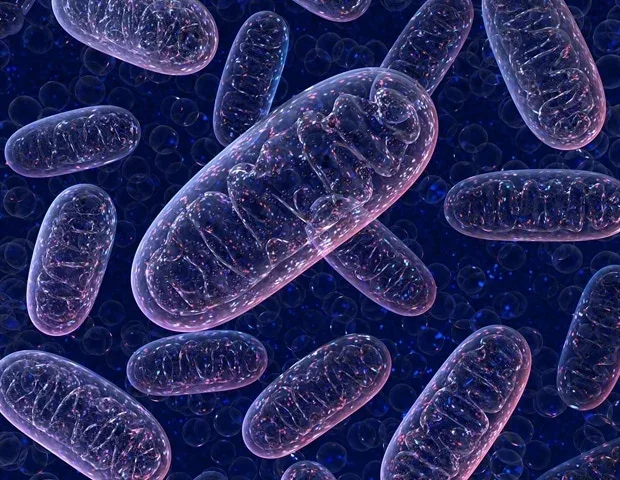
Allergies may begin due to mitochondrial power failures in epithelial cells.
Environmental factors like pollution and processed diets contribute to allergy prevalence.
A recent study led by Professor Peter Smith from Griffith University's School of Medicine and Dentistry has proposed a novel hypothesis regarding the origins of allergies. Contrary to the long-held belief that allergies originate in the immune system, the research suggests that the root cause may lie in energy failures within the body's barrier cells, which are crucial for protecting the skin, gut, lungs, and other organs. This study analyzed an extensive dataset, comprising 116 case-control cohorts and nearly 3,800 patients, to uncover these insights.
For decades, the prevailing theory posited that allergies arise when the immune system is triggered, leading to a breakdown in the body's protective barriers. However, Professor Smith's team argues that the sequence may be reversed, indicating that allergies could start with mitochondrial dysfunction in epithelial cells. This dysfunction hampers the cells' ability to meet energy demands, causing them to react excessively to environmental stressors, which in turn triggers immune responses recognized as allergies.
The study found compelling evidence particularly in eosinophilic esophagitis, where the mechanisms for clearing damaged mitochondria were significantly impaired across all patient cohorts examined. Additionally, in cases of eczema, alterations to the skin's barrier and antioxidant defenses were observed even in non-inflamed areas. Notably, the research also highlighted that not all allergic conditions exhibited these signals, with established asthma and nasal polyps showing no signs of mitochondrial dysfunction.
The implications of this research extend beyond individual allergies, as it suggests a common pathway influenced by various environmental triggers, including processed foods, pollution, and the use of antibiotics. Associate Professor Nic West, a co-author of the study, emphasized that the multitude of causes for allergies has made it challenging to pinpoint a singular explanation for their rapid increase in prevalence over recent generations. This research may provide a clearer understanding of why allergies can recur, as established inflammation can further damage barrier cells, perpetuating the cycle of allergic reactions.
While the findings present a compelling new perspective, Professor Smith cautioned that this is still a hypothesis requiring further testing. The next phase of research aims to directly measure cellular energy levels in infants before the onset of allergies, potentially paving the way for more effective interventions. The study's collaborative authors hail from various esteemed institutions worldwide, including Mount Sinai and the University of Zurich, underscoring the global interest in understanding allergy mechanisms.