New Review Examines High-Protein Diets and Kidney Health Risks
A recent study explores the impact of high-protein diets on kidney function, revealing varying effects based on individual health conditions.
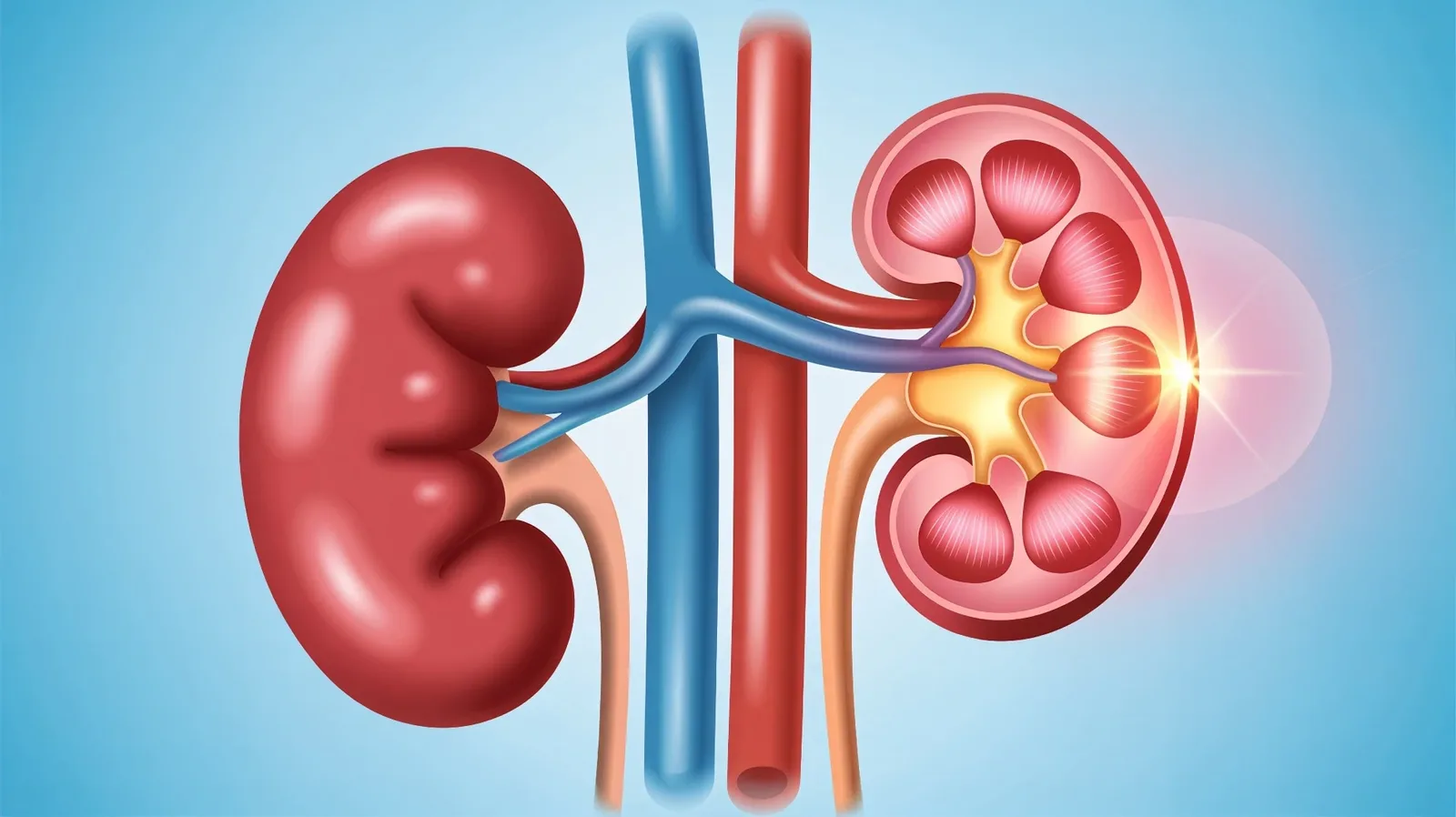
High-protein diets can stress kidneys, especially in individuals with prior kidney damage.
Plant-based proteins are linked to better kidney health compared to animal proteins.
Moderate protein restriction may slow the progression of chronic kidney disease.
A recent review published in the journal Nutrients has shed light on the effects of high-protein diets on kidney function, highlighting the risks associated with excessive protein intake. The study indicates that while high-protein diets are popular for their benefits in muscle preservation and weight management, their impact on renal health varies significantly among individuals, particularly those with pre-existing kidney conditions.
The kidneys play a vital role in maintaining acid-base balance and filtering waste from the blood. Increased protein consumption can lead to a temporary rise in glomerular filtration rate (GFR), but the long-term consequences of sustained high-protein intake remain uncertain. Research suggests that genetic factors and the gut microbiome may influence how kidneys respond to protein, with prior kidney damage being a crucial factor in determining individual responses.
Animal studies have demonstrated that high-protein diets can lead to kidney stress, with findings showing increased kidney weight and changes in urine acidity. In rats, long-term high-protein consumption resulted in significant kidney damage and heightened proteinuria. However, researchers caution against directly applying these animal study results to humans due to differences in metabolism and protein loads.
Human studies indicate that the source of protein matters. Higher consumption of certain animal proteins is associated with an increased risk of chronic kidney disease (CKD), while plant-based proteins appear to have a more favorable impact on kidney health. A meta-analysis revealed that higher protein intake correlates with elevated eGFR in healthy adults, but does not necessarily indicate a decline in kidney function. Moreover, dietary patterns rich in plant-based foods are linked to improved kidney function and reduced inflammation.
Looking ahead, the evidence suggests that dietary protein needs to be tailored to individual health conditions. While adequate protein is essential for maintaining muscle mass, particularly in older adults, excessive protein intake may exacerbate kidney issues in those with CKD. Future research should focus on establishing clear guidelines for protein intake that consider individual health status and dietary sources to optimize kidney health.