New Research Links Vaccines to Improved Heart Health in Older Adults
Recent studies indicate that vaccines for flu, COVID-19, RSV, and shingles may enhance heart health, particularly in older populations.
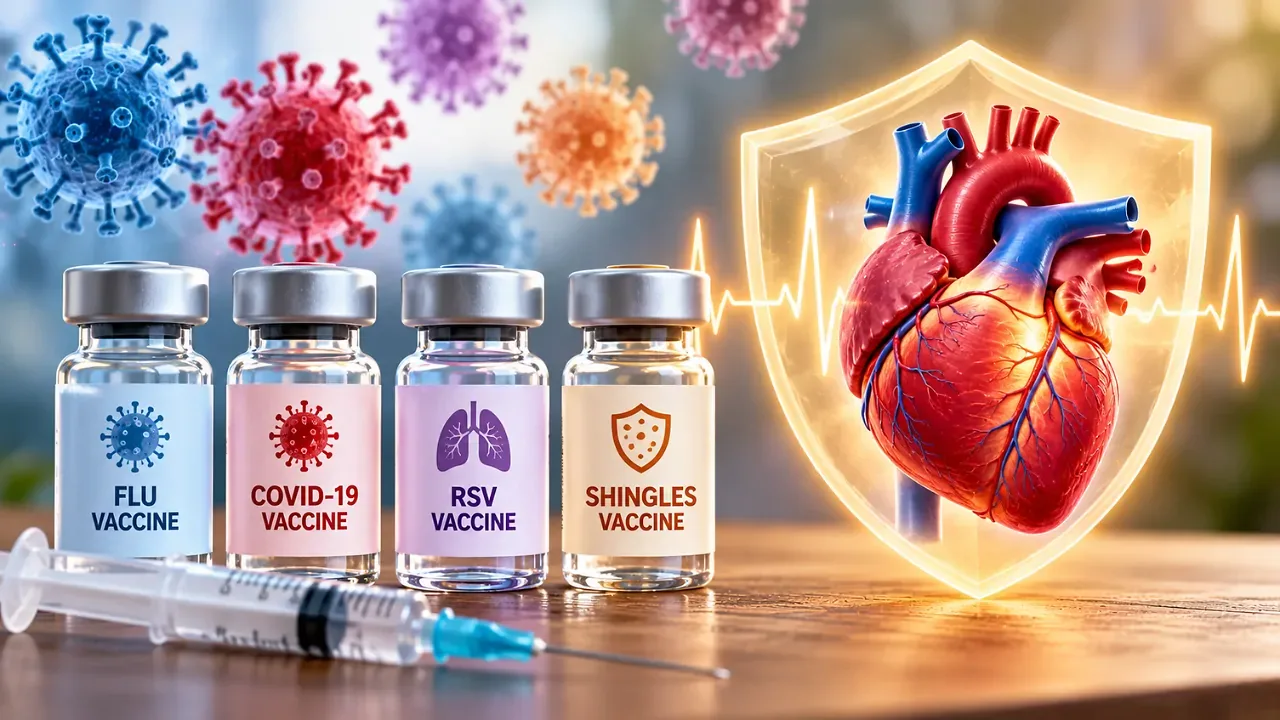
Vaccination against flu, COVID-19, RSV, and shingles may reduce cardiovascular risks.
Research shows shingles vaccine users have lower heart disease rates.
COVID-19 vaccines are linked to preventing heart complications in at-risk individuals.
Recent research has revealed that vaccines for influenza, COVID-19, respiratory syncytial virus (RSV), and shingles may provide additional benefits beyond infection prevention, particularly in enhancing heart health among older adults and those with pre-existing cardiovascular conditions. A report from The Washington Post outlines how these vaccines could potentially lower the incidence of cardiovascular issues, although the evidence varies and not all studies confirm a direct protective effect against heart disease.
Historically, vaccines have been primarily viewed as a means to prevent infections. However, the emerging understanding of the broader implications of these viruses on cardiovascular health is prompting a reevaluation. Paul Heidenreich, a cardiovascular medicine professor at Stanford Medicine, emphasized that the complications arising from these viruses extend far beyond typical symptoms like cough and fever, indicating a significant burden on the cardiovascular system.
The shingles vaccine, specifically Shingrix, has been linked to a reduction in heart disease rates. A study published in Nature Medicine in August 2026 compared older adults who received Shingrix with those who were administered the older Zostavax vaccine. Over a follow-up period of seven years, those vaccinated with Shingrix exhibited lower rates of ischemic heart disease and heart failure, contributing to existing literature on the cardiovascular benefits of shingles vaccination. Additionally, a 2025 study found that older adults receiving two doses of Shingrix had a decreased risk of stroke and heart attack.
Influenza vaccination is also crucial, as severe influenza can exacerbate existing heart conditions. The Washington Post reported that influenza infections were associated with a sixfold increase in heart attack hospitalizations shortly after a positive flu test. Experts like William Schaffner from Vanderbilt University highlighted that individuals with underlying heart conditions are significantly more susceptible to cardiovascular events following severe influenza.
COVID-19 vaccines have shown potential in mitigating heart complications linked to the virus. During the pandemic, individuals with pre-existing heart conditions faced a threefold increased risk of severe COVID-19. Research has indicated that COVID-19 can lead to long-term vascular changes, including early vascular aging. Updated COVID-19 vaccines have been authorized for older adults and those with underlying health issues, aiming to reduce these risks. Furthermore, RSV poses a significant threat to older adults, with studies indicating that a substantial number of hospitalized patients experienced acute cardiac events. The CDC recommends RSV vaccination for older adults to help protect against these severe outcomes.