New Insights into Macrophage Death Pathway in Tuberculosis
Recent research uncovers a novel mechanism of macrophage death linked to tuberculosis, offering potential therapeutic targets.
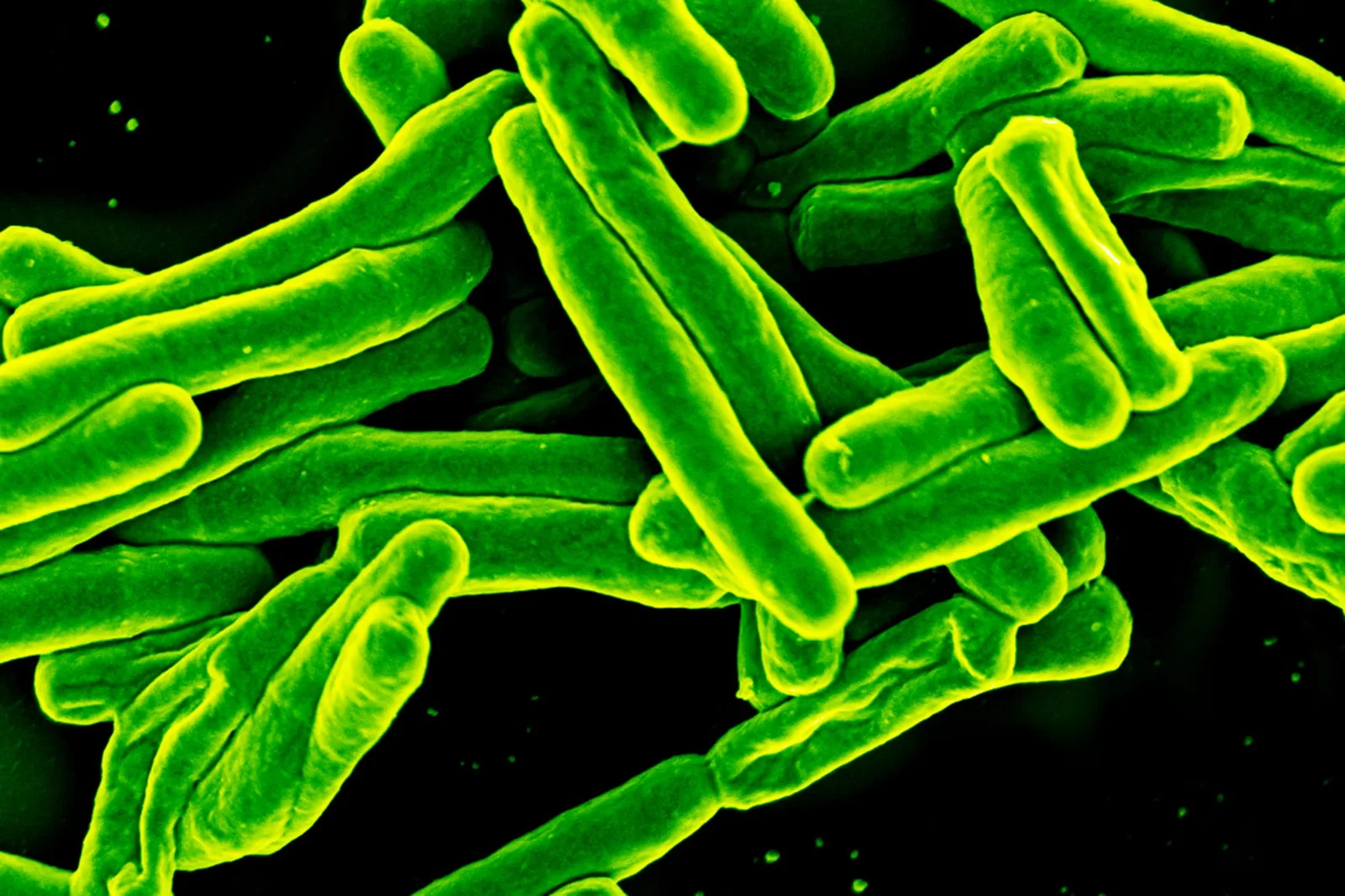
Discovery of a non-canonical pathway for macrophage death during TB infection.
Key immune signaling pathways involved include TNF-α and type I interferon.
Blocking specific proteins shows promise in reducing lung damage and bacterial levels.
A recent study has revealed critical insights into the mechanisms behind macrophage death during tuberculosis (TB) infection, highlighting potential targets for therapeutic intervention. Conducted by researchers at Southern University of Science and Technology, the investigation found that the commonly used compound z-VAD-FMK induces programmed cell death in macrophages through an unexpected mechanism that does not involve caspase-8, a key protein typically associated with cell death pathways.
The destruction of macrophages, which are vital immune cells, plays a significant role in the pathology of pulmonary TB. Previous assumptions held that z-VAD-FMK triggered necroptosis, a form of programmed cell death, by inhibiting caspase-8. However, the research team discovered that this compound activates macrophage necroptosis via a different signaling pathway, specifically through receptor-interacting protein kinases (RIPK1 and RIPK3) and mixed lineage kinase domain-like protein (MLKL), alongside signaling from Toll-like receptor 2 (TLR2) and tumor necrosis factor-alpha (TNF-α).
In their experiments, the researchers demonstrated that inhibiting caspase-8 did not prevent z-VAD-FMK from inducing necroptosis in macrophages infected with Mycobacterium tuberculosis. This finding suggests that the cell death process operates independently of the conventional caspase-8 pathway. Additionally, the study noted that RIPK3 was activated without the typical phosphorylation at its canonical sites, indicating alternative activation mechanisms may be at play. The off-target necroptosis was also observed in macrophages infected with other mycobacterial strains, such as Mycobacterium kansasii.
The implications of these findings extend beyond basic research; they suggest new avenues for therapeutic strategies against TB. In preclinical models, researchers found that deleting MLKL had minimal effects in standard mice, but in specialized Sp140-deficient mice, which exhibit severe immune responses, MLKL deficiency significantly reduced lung pathology and bacterial load following infection. This indicates that targeting specific proteins involved in macrophage death could lead to effective treatments for respiratory infections.
Going forward, the research team aims to further elucidate the molecular targets involved in this necroptotic pathway. Understanding these mechanisms could pave the way for innovative host-directed therapies that enhance lung protection and improve outcomes for patients suffering from tuberculosis and other severe respiratory infections.