New Hope for Thyroid Eye Disease Patients with Tepezza Approval
Tepezza, a groundbreaking medication, is now available in Australia for those suffering from Thyroid Eye Disease.

Thyroid Eye Disease affects approximately 23,000 Australians, predominantly women.
Tepezza is now listed on the Pharmaceutical Benefits Scheme, offering new treatment options.
The medication significantly reduces eye protrusion and improves patient outcomes.
In a significant development for patients suffering from Thyroid Eye Disease (TED), the Australian government has approved Tepezza (teprotumumab) for inclusion in the Pharmaceutical Benefits Scheme (PBS), effective Sunday. This autoimmune condition, which affects around 23,000 Australians, can lead to debilitating symptoms including double vision and vision loss, with women being disproportionately affected at an 80 percent rate.
Veronica Miller, a 53-year-old mother from Mudgee, experienced the severe impacts of TED during her first pregnancy over two decades ago. She described the sensation of having 'sand in my eye' and the need to sleep with one eye open due to intense pain and light sensitivity. After a period of remission, her symptoms returned, prompting her to seek treatment in Sydney, which required extensive travel due to the lack of local specialists.
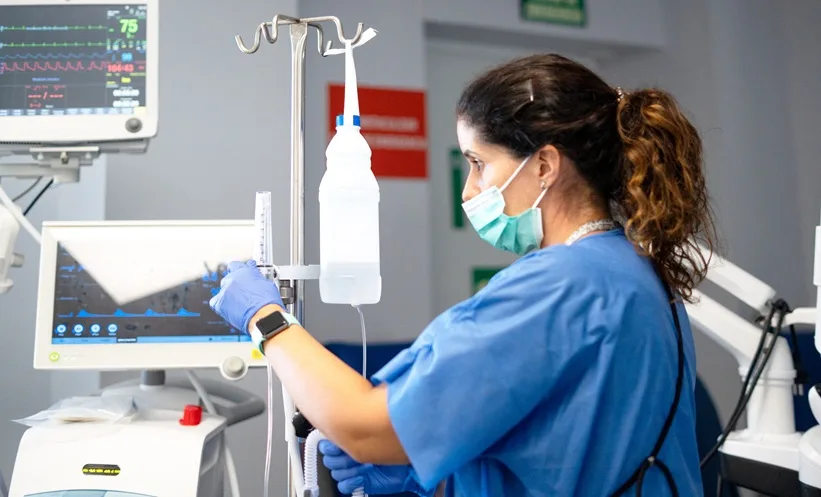
The approval of Tepezza is seen as a breakthrough in the management of TED. Associate Professor Jwu Jin Khong from the Centre for Eye Research Australia highlighted that Tepezza offers a new approach beyond traditional steroid treatments, which primarily address swelling and eyelid redness. Tepezza's intravenous infusions are administered every three weeks over six months, providing a more effective treatment option for patients.
The introduction of Tepezza is expected to have a profound impact on the lives of those affected by TED. With around 450 new cases diagnosed each year in Australia, the PBS listing is anticipated to alleviate the burden of this condition, which can also affect mental health and social interactions. Patients like Miller express relief knowing that effective treatment options are now available, potentially improving their quality of life.
Looking ahead, the medical community is optimistic about the future of TED treatment with Tepezza. As more patients gain access to this medication, it is hoped that the overall management of Thyroid Eye Disease will improve, offering renewed hope and better outcomes for those affected by this challenging condition.