New Guidelines Address Interconnected Heart and Kidney Diseases
Recent guidelines highlight the link between heart and kidney diseases, emphasizing early detection and treatment.
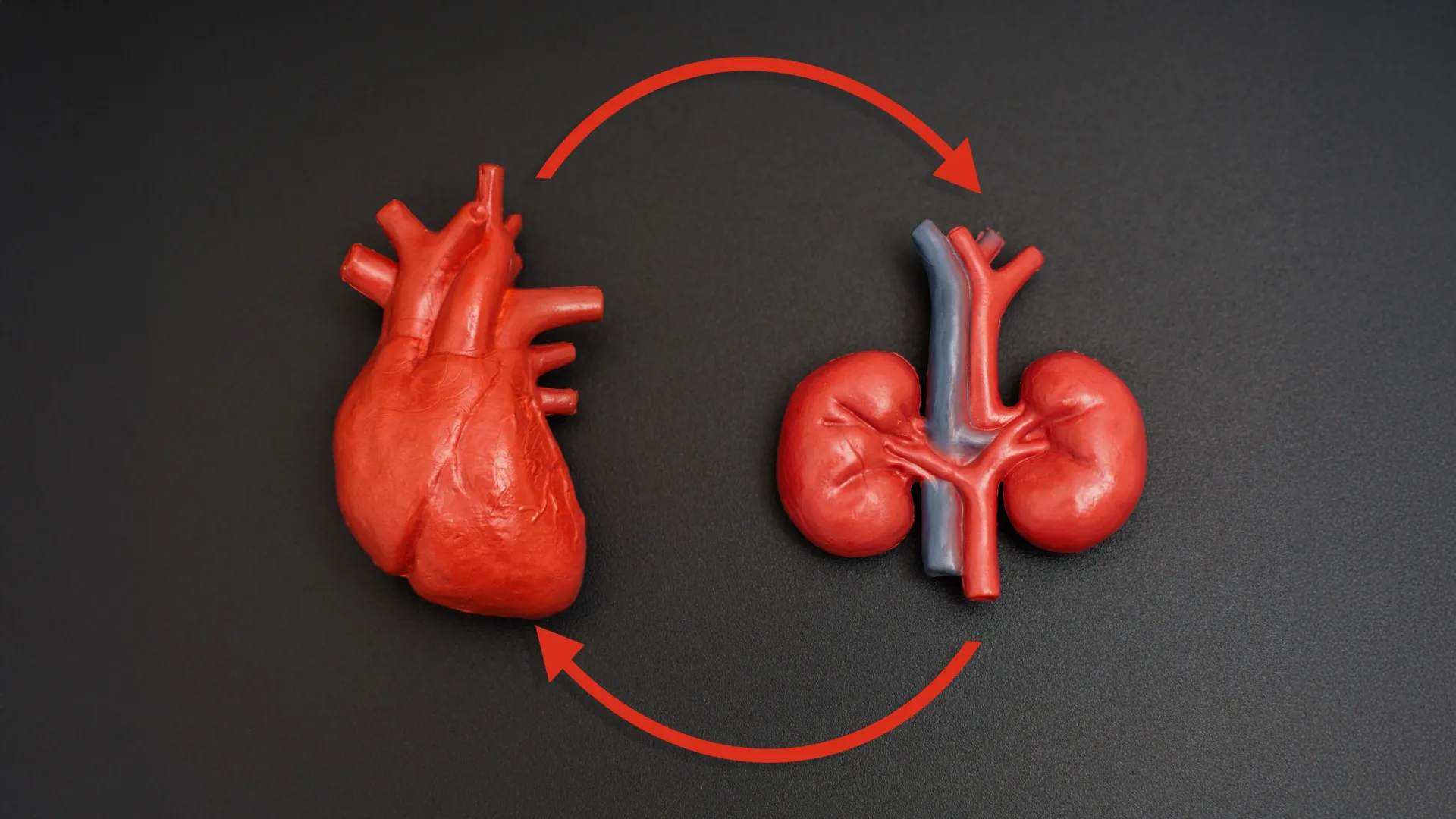
Heart disease and chronic kidney disease can exacerbate each other.
New guidelines recommend early screening and treatment to mitigate risks.
The 'STAMP on CKD' strategy aims to improve patient care through coordinated efforts.
On September 5, 2026, the European Society of Cardiology unveiled its inaugural guidelines focused on the dual management of cardiovascular disease (CVD) and chronic kidney disease (CKD). These guidelines, developed in collaboration with the European Renal Association, were published in the European Heart Journal and presented at the ESC Congress 2026. The recommendations aim to address the significant interplay between these two conditions, which can accelerate each other, leading to severe health complications.
Chronic kidney disease is identified when kidney function or structure abnormalities persist for at least three months, affecting overall health. Approximately 100 million individuals in Europe are affected by CKD, which notably increases the risk of developing various cardiovascular diseases. The guidelines emphasize the importance of early identification of kidney issues in patients already undergoing treatment for heart conditions, as this can lead to better health outcomes.
Professor Kevin Damman, chair of the Task Force, highlighted the profound impact of both diseases on patients' lives. He noted that advancements in treatment options over recent years have made it possible to significantly reduce the risks associated with both CVD and CKD. The guidelines advocate for routine screening of all patients diagnosed with CVD for CKD, utilizing blood and urine tests to assess kidney function and health.
The newly introduced 'STAMP on CKD' framework organizes the guidelines into actionable steps: Screen, Triage, Address CKD Risk, Modify CVD management, and Plan health services. This systematic approach aims to ensure that patients at risk are identified early and receive timely interventions. The guidelines also stress the importance of adjusting cardiovascular treatments for patients with CKD, as impaired kidney function can affect the metabolism of certain medications.
The final component of the strategy focuses on enhancing coordination between cardiologists and nephrologists to ensure comprehensive care for patients. Improved communication among healthcare providers is essential to address the complexities of managing coexisting heart and kidney diseases. Additionally, a patient-friendly version of the guidelines has been created to empower individuals to engage in their healthcare decisions actively. The Task Force concluded that these guidelines are crucial for improving health outcomes for those affected by CVD and CKD, urging stakeholders to prioritize awareness and research in this area.