New Cholesterol Drugs Aim to Tackle India's CVD Crisis
On World Heart Day, experts discuss innovative therapies to combat cardiovascular disease in India, focusing on new cholesterol-lowering drugs.
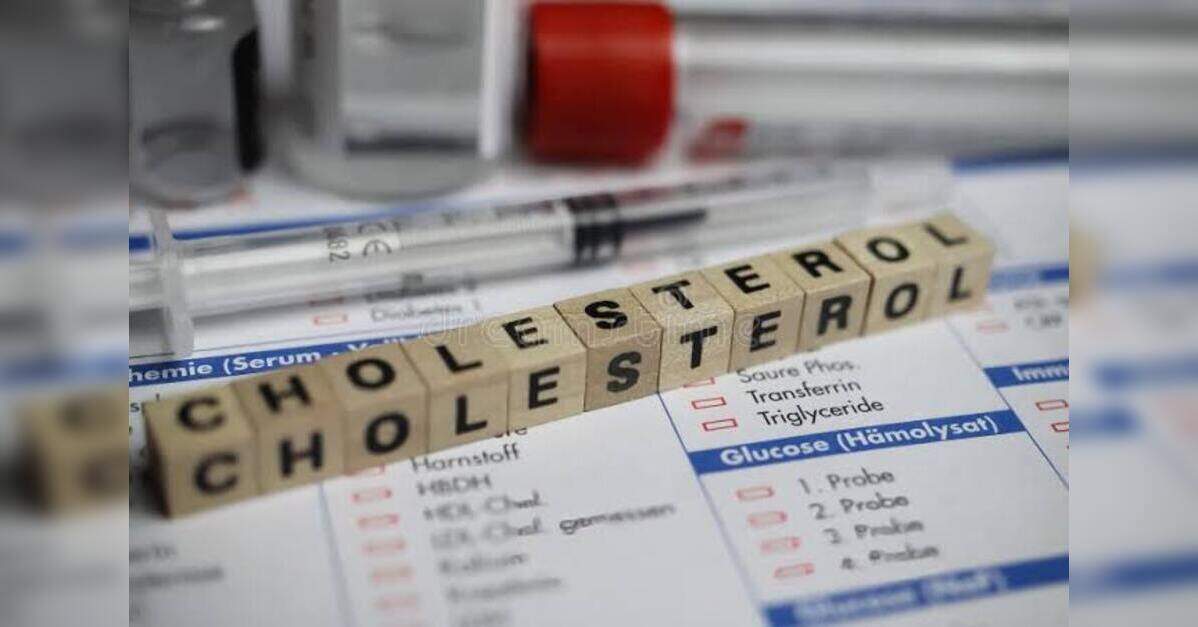
India faces a rising burden of cardiovascular disease, with many patients at high risk despite treatment.
New therapies targeting PCSK9 and lipoprotein(a) show promise in reducing cholesterol levels.
Innovative oral medications are emerging to provide alternatives to current injectable treatments.
As India grapples with a significant rise in cardiovascular disease (CVD) cases, experts are exploring new cholesterol-lowering therapies on World Heart Day. The focus is on innovative treatments that could help bridge the treatment gap and improve patient outcomes, particularly for those who remain at high risk despite existing therapies.
Historically, the management of elevated low-density lipoprotein (LDL) cholesterol has relied heavily on statins. However, many patients in India, particularly those with genetic predispositions and comorbidities, struggle to achieve optimal LDL levels. A recent study revealed that only 27% of patients with established coronary artery disease managed to reach the recommended LDL-C threshold of 50 mg/dL, highlighting the urgent need for more effective treatments.
Among the new generation of therapies, PCSK9 inhibitors such as Praluent and Repatha have shown significant reductions in LDL-C levels, with some studies reporting up to a 60% decrease. These monoclonal antibodies work by inhibiting the PCSK9 protein, which plays a crucial role in cholesterol metabolism. Additionally, Novartis has introduced Leqvio, an RNA-based therapy that also targets PCSK9, demonstrating a 50% reduction in LDL-C levels. However, the long-term cardiovascular benefits of these therapies are still under investigation.
The introduction of oral medications, such as Merck's Lipfendra, marks a significant advancement in the treatment landscape, providing patients with a convenient alternative to injections. Analysts predict that these oral therapies could disrupt the market, traditionally dominated by injectable options. Furthermore, the exploration of lipoprotein(a) as a target for new therapies could open new avenues for reducing cardiovascular risk, although recent setbacks in clinical trials underscore the complexities involved.
Looking ahead, the focus will be on understanding the long-term implications of these new therapies and their effectiveness in reducing cardiovascular events. As research continues, the medical community remains hopeful that these innovations will lead to improved outcomes for patients battling cardiovascular disease in India.