New ACOG Guidelines Highlight Menopause Symptoms to Address
Dr. Cynthia H. Chuang emphasizes the importance of recognizing menopause symptoms beyond hot flashes during Menopause Awareness Month.
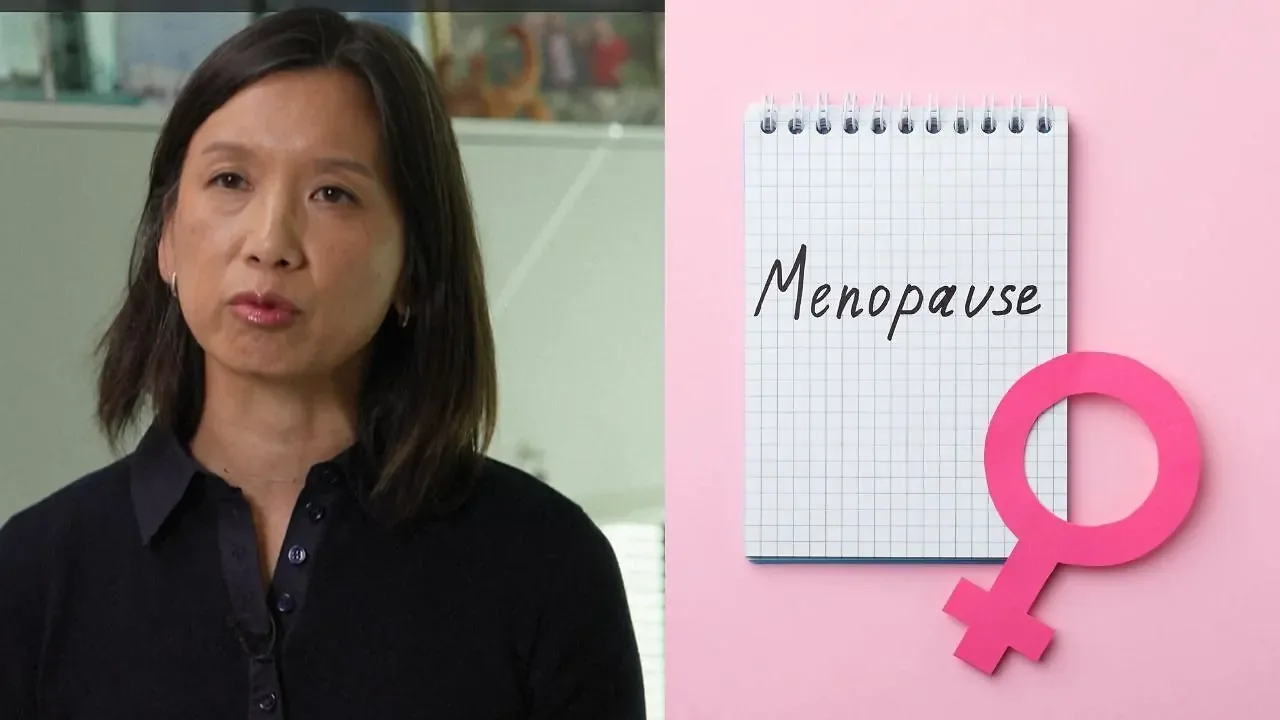
Menopause symptoms include sleep disturbances, mood changes, and joint pain.
Updated ACOG guidelines stress the need for comprehensive menopause care.
Women are encouraged to discuss symptoms with healthcare providers for better management.
During Menopause Awareness Month, Dr. Cynthia H. Chuang, a leading expert in women's health, highlighted the often-overlooked symptoms of menopause beyond the well-known hot flashes and night sweats. Speaking at the Penn State Hershey Medical Center, she pointed out that many women experience sleep disturbances, mood fluctuations, joint pain, and cognitive issues, which can be mistakenly attributed to aging rather than hormonal changes.
Dr. Chuang's insights come alongside the release of updated guidelines from the American College of Obstetricians and Gynecologists (ACOG), marking the first significant revision since 2014. These new recommendations aim to provide clearer guidance on treatment options, including hormone therapy and non-hormonal alternatives, emphasizing the need for healthcare providers to take menopause symptoms seriously.
The updated guidelines advocate for a more comprehensive approach to menopause care, encouraging general practitioners, obstetricians, and gynecologists to engage with women about their symptoms. Dr. Chuang noted that while hormone therapy is one treatment option, decisions should be tailored to individual symptoms and health profiles. Non-hormonal treatments, such as certain antidepressants, have also been identified as effective for managing symptoms like hot flashes.
The implications of these findings are significant for women's health, as untreated menopause symptoms can disrupt daily life and productivity. Dr. Chuang stressed that recognizing and addressing these symptoms is crucial for maintaining quality of life. She urged women not to suffer in silence but to consult with their healthcare teams about potential treatments.
Looking ahead, the emphasis on shared decision-making in treatment plans is expected to empower women in managing their menopause symptoms. As awareness grows, healthcare providers are encouraged to initiate conversations about menopause, ensuring women receive the support and care they need during this natural life transition.