Modi Highlights Indigenous Vaccines' Impact on Livestock Health
Prime Minister Modi emphasizes the vital role of indigenous vaccines in safeguarding livestock and poultry over the past 12 years.
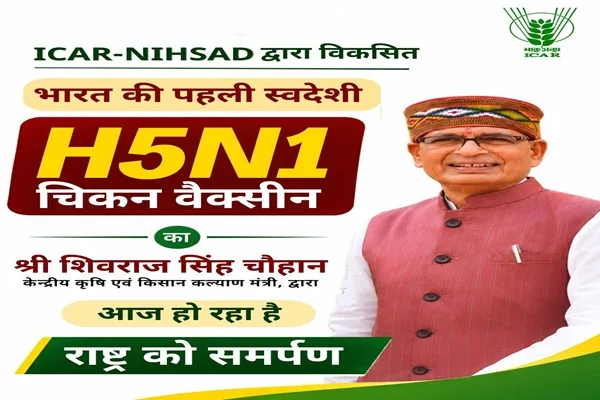
Indigenous vaccines have significantly protected livestock from diseases.
These efforts have improved farmers' income and animal health.
India is enhancing its capabilities in veterinary healthcare.
Prime Minister Narendra Modi has underscored the importance of indigenous vaccines in protecting livestock and poultry from infectious diseases over the past 12 years. This statement was made while sharing insights from Union Agriculture and Farmers Welfare Minister Shivraj Singh Chouhan's article, highlighting the advancements in veterinary healthcare.
The Prime Minister noted that the development of these vaccines has not only safeguarded animal health but has also contributed to reducing losses associated with diseases. This has had a direct positive impact on farmers' incomes, enhancing their livelihoods and improving the overall quality of life within farming communities.
Modi further emphasized that these initiatives reflect India's growing capabilities in the field of veterinary healthcare. The commitment to developing indigenous solutions showcases the nation’s dedication to building a resilient agricultural ecosystem that can withstand various challenges.
The implications of these advancements are significant for both the agricultural sector and the economy at large. By ensuring the health of livestock and poultry, the government is not only protecting farmers’ investments but also contributing to food security and economic stability in rural areas.
Looking ahead, the government aims to continue its focus on research and development in veterinary medicine. Upcoming initiatives will likely include further investments in vaccine development and distribution, ensuring that farmers have access to the necessary resources to maintain healthy livestock.