Mobile Phone Data Could Predict Future Ebola Outbreaks
New research indicates that analyzing mobile phone movement data can enhance predictions of Ebola spread in the Democratic Republic of the Congo.
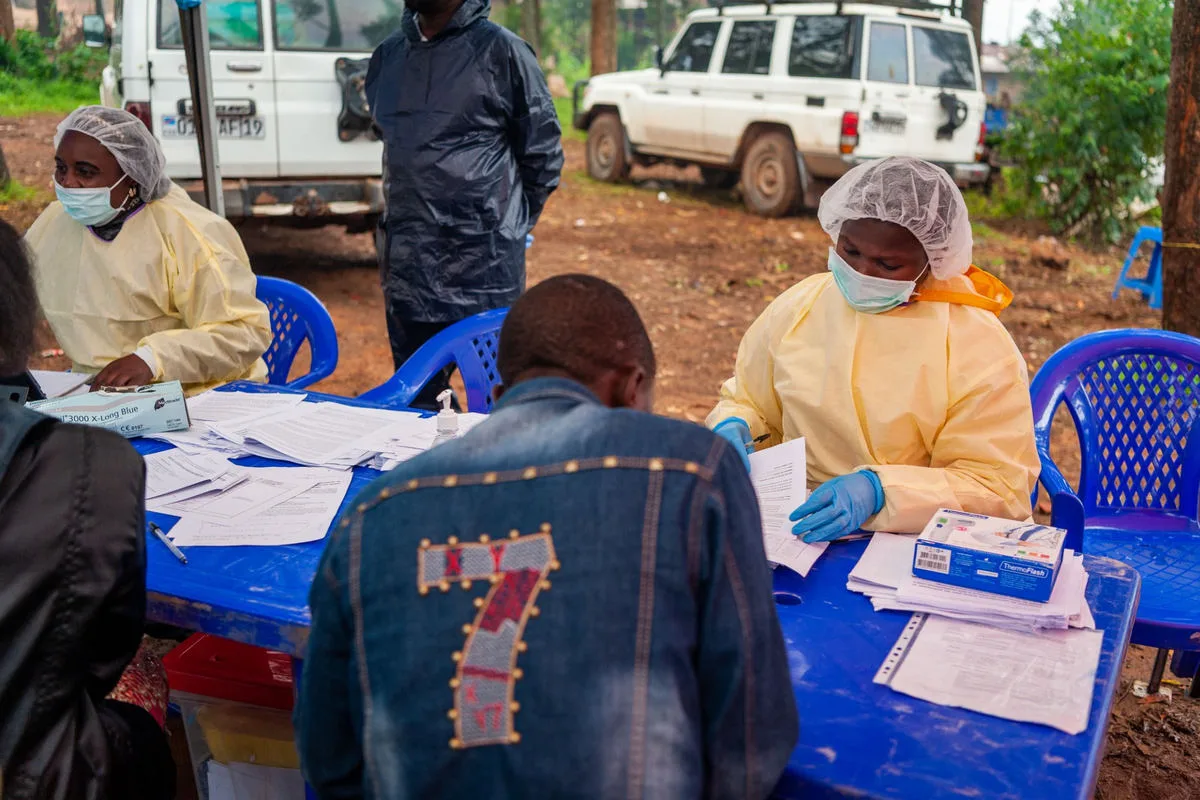
Population movement data can predict areas at risk of Ebola infections.
The Bundibugyo virus outbreak in 2026 showed rapid case growth, doubling every ten days.
Using mobility data could improve outbreak response and vaccine distribution.
A recent study has revealed that mobile phone movement data can significantly enhance predictions regarding the spread of Ebola, particularly in the context of the Bundibugyo virus outbreak in the Democratic Republic of the Congo (DRC). Conducted by researchers at the Institut National de Recherche Biomédicale, the analysis combined confirmed infection records with anonymized mobile phone data to reconstruct the outbreak's early trajectory. This innovative approach indicates that understanding population movements along major transport routes could be crucial in anticipating where future infections may arise.
The Bundibugyo virus outbreak was officially declared on May 15, 2026, but evidence suggests that the virus had been circulating for weeks prior. Researchers aimed to identify the factors contributing to the outbreak's geographical spread and assess the potential of mobility data in predicting infection hotspots. By analyzing data collected before the outbreak was recognized, they found that areas with high population movement were likely to report infections soon after the outbreak was declared.
During the early stages of the outbreak, the number of cases doubled approximately every ten days, indicating a rapid spread. Factors such as delayed outbreak recognition and high population mobility were identified as contributors to this growth. The researchers emphasized that the connection between different locations, rather than their population sizes, was a key indicator of infection risk. This insight could provide health authorities with valuable lead time to prepare for potential outbreaks.
The implications of this research extend beyond the DRC, as the methodology could be applied to predict the spread of other infectious diseases, including measles and cholera. By utilizing mobility data, health officials can enhance surveillance, optimize resource allocation, and engage communities more effectively. The study highlights the importance of establishing agreements with mobile operators before an outbreak occurs to facilitate timely data access.
Looking ahead, researchers believe that integrating mobility data into public health strategies could revolutionize outbreak responses. As the capacity of local scientific institutions in the DRC continues to grow, the potential for timely and effective epidemic prevention becomes increasingly feasible. The study underscores the necessity of proactive measures and the value of data-driven approaches in managing public health crises.