Mayo Clinic Identifies Five Distinct Subtypes of Fatty Liver Disease
New research reveals that fatty liver disease comprises five unique biological forms, each linked to varying health risks.
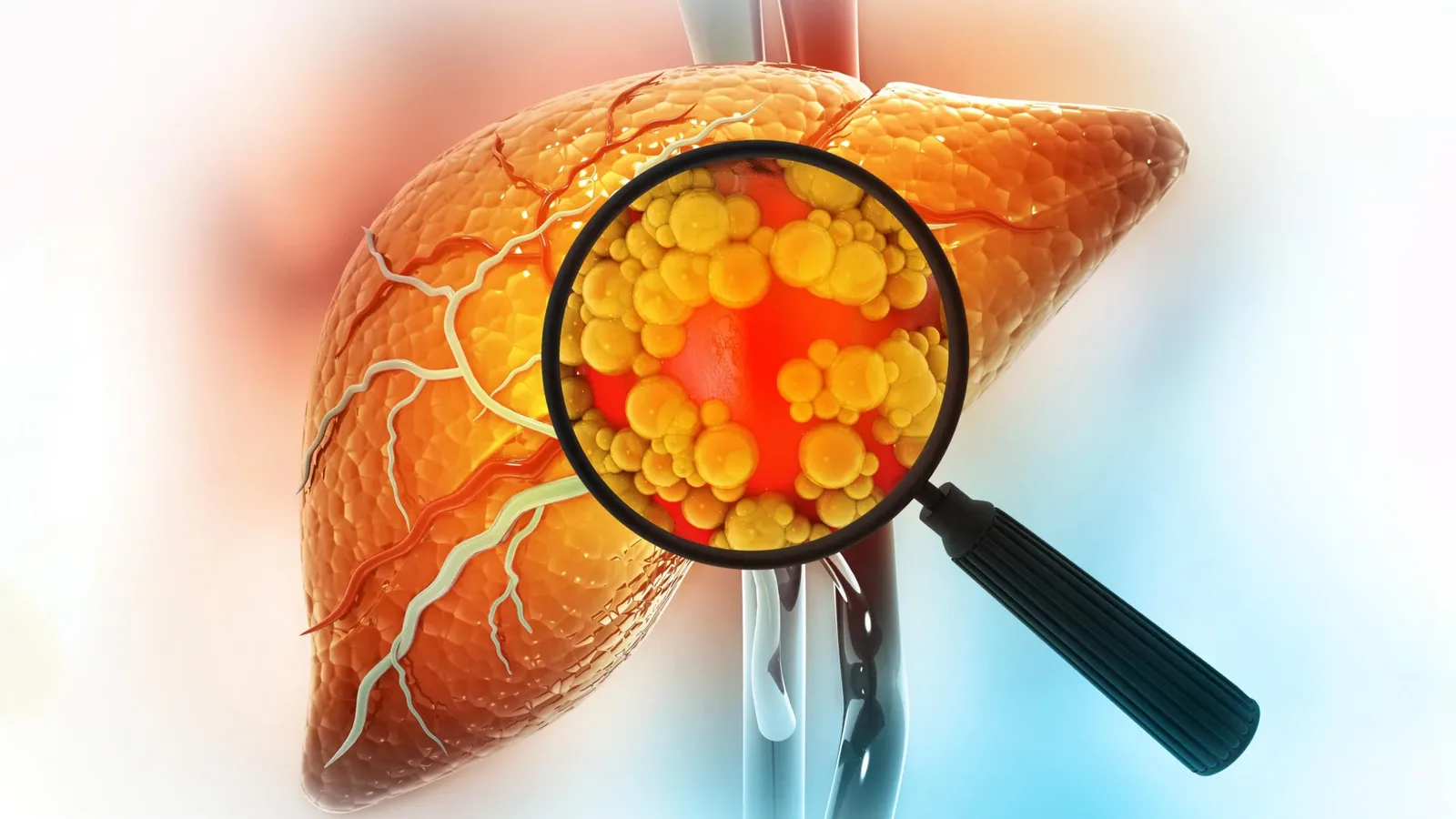
Fatty liver disease, affecting nearly 30% of adults, has five distinct subtypes.
Genetic factors play a significant role in disease progression and complications.
Future treatments may be tailored based on the specific subtype of fatty liver disease.
Researchers at the Mayo Clinic have made a groundbreaking discovery regarding fatty liver disease, revealing that it consists of five distinct biological subtypes. This finding, published in Nature Communications, indicates that nearly 30% of adults worldwide affected by this common liver condition may face different health risks, including liver failure, cancer, and heart disease, depending on the specific subtype they have.
Historically, fatty liver disease was primarily understood as a singular condition, often linked to obesity and metabolic dysfunction. However, the collaborative research with Virginia Tech has shown that metabolic dysfunction-associated steatotic liver disease (MASLD) can arise from various biological pathways. Some pathways are closely tied to lifestyle factors like obesity and diabetes, while others stem from inherited genetic variations that can lead to severe complications even in individuals without typical metabolic risk factors.
The study analyzed genetic sequencing and extensive medical data from over 4,600 patients diagnosed with MASLD. Researchers measured liver enzymes, body mass index, and blood lipid levels, among other health indicators. This comprehensive analysis revealed five distinct subtypes of fatty liver disease, each characterized by unique biological features and varying risks of serious health issues. According to Dr. Shulan Tian, a co-senior author of the study, integrating clinical and genomic data allows for a clearer understanding of disease progression patterns that were previously obscured.
The implications of this research extend beyond the liver, as the study also identified links between certain MASLD subtypes and other health conditions, including depression and sleep apnea. This suggests that the underlying biological processes of fatty liver disease may be interconnected with broader health issues, emphasizing the importance of a holistic approach to patient care.
Looking ahead, the Mayo Clinic research team plans to further investigate these findings in larger and more diverse populations. They aim to determine whether different subtypes respond differently to existing treatments, which could pave the way for personalized medicine approaches in managing fatty liver disease. By tailoring treatments to the specific biological characteristics of each patient, healthcare providers may be able to improve outcomes and reduce the risk of severe complications associated with this complex condition.