Manipal Hospitals Promotes Stroke Awareness with BE FAST Method on World Stroke Day
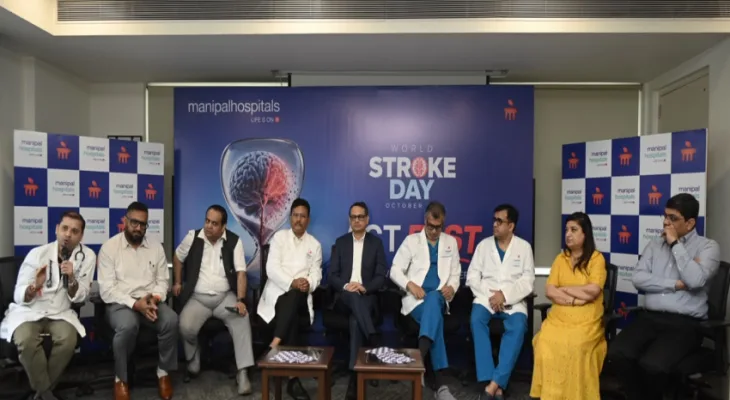
On October 29, 2026, Manipal Hospitals hosted a stroke awareness event in Kolkata, emphasizing the critical need for early detection and intervention.
The BE FAST approach helps identify stroke symptoms: Balance, Eyes, Face, Arms, Speech, and Time.
Transient Ischaemic Attacks (TIAs) are warning signs that require immediate medical attention.
Regular health assessments and lifestyle management can significantly reduce stroke risks.
On October 29, 2026, Manipal Hospitals EM Bypass and Mukundapur organized a significant stroke awareness program in Kolkata to commemorate World Stroke Day. The event aimed to educate the public on the importance of recognizing early symptoms of stroke, preventive measures, and the necessity for prompt medical intervention to minimize the risk of long-term disabilities. Neurological specialists gathered to share insights on stroke risk factors and the critical need for emergency care.
The program prominently featured the BE FAST approach, which serves as a mnemonic for identifying common stroke warning signs: Balance, Eyes, Face, Arms, Speech, and Time. Attendees learned that sudden loss of balance, visual disturbances, facial drooping, weakness in one arm, and difficulty speaking are key indicators of a stroke. The emphasis was placed on the urgency of seeking medical help immediately and being aware of when symptoms first appeared.
Experts at the event also discussed transient ischaemic attacks (TIAs), often referred to as warning strokes. Although symptoms like weakness and speech difficulties may resolve quickly, TIAs indicate a heightened risk for future strokes and require urgent evaluation. Dr. Jayanta Roy, a leading neurologist, underscored that every minute counts in a stroke emergency, with early detection and intervention being vital to limit brain damage and enhance recovery chances.
Dr. Amlan Mandal pointed out that strokes can affect individuals across all age groups, highlighting the necessity for widespread awareness and regular health check-ups. Dr. Sukalyan Purkayastha discussed the importance of managing risk factors such as hypertension, diabetes, and high cholesterol levels, while also noting lifestyle choices like smoking and obesity that can elevate stroke risk.
The program concluded with Dr. Nirmalya Roy stressing the principle that 'time is brain', indicating that during a major ischaemic stroke, approximately 20 million brain cells can be lost each minute. The event reinforced the significance of maintaining a healthy lifestyle, undergoing regular medical assessments, and ensuring immediate emergency care when stroke symptoms manifest, even if they seem to resolve on their own.