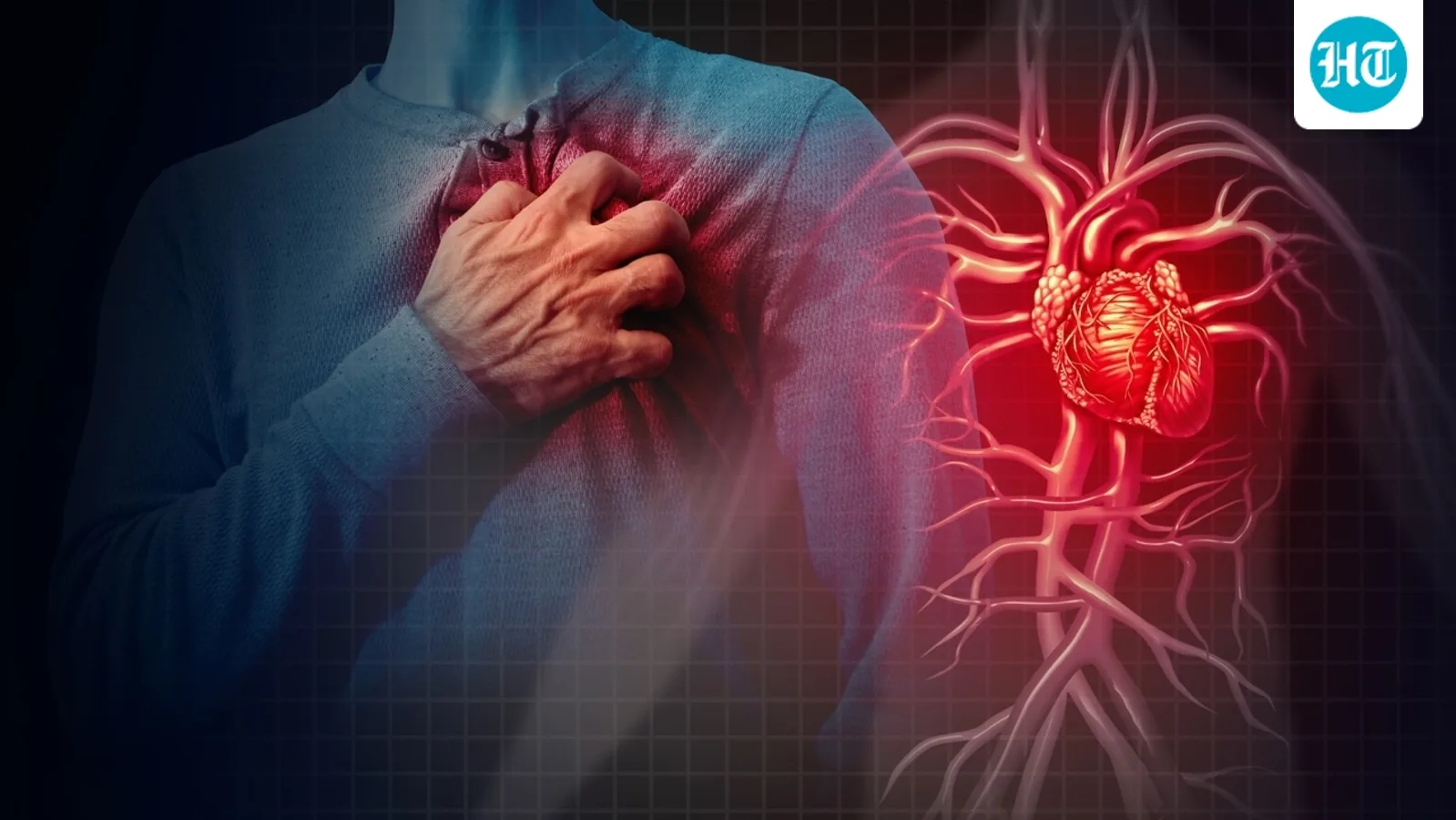
Long-Term Heart Damage Risks Post-Cancer Treatment Highlighted
New insights reveal that heart damage from cancer therapies can manifest decades later, emphasizing the need for ongoing monitoring.

Cardiotoxicity may not show symptoms until 10-20 years after treatment.
Primary care physicians play a crucial role in detecting late cardiotoxicity.
Certain cancer treatments significantly increase the risk of heart issues, especially in children.
Recent findings underscore that surviving cancer does not guarantee freedom from health complications related to treatment. Specifically, certain cancer therapies can lead to silent heart muscle damage, termed cardiotoxicity, which may not present clinical symptoms until 10 to 20 years post-treatment. In recognition of World Heart Day on September 29, the Spanish Society of Nuclear Medicine and Molecular Imaging (SEMNIM) has emphasized the importance of nuclear medicine in identifying and monitoring this long-term cardiac damage.
Dr. Francisco Sebastián Palacid, a nuclear medicine physician and coordinator of the Cardiology Working Group at SEMNIM, highlighted that cardiotoxicity can manifest either acutely within the first year or later, particularly in pediatric patients. He stressed the necessity for ongoing follow-up beyond the active treatment phase for those at heightened risk, as many patients may not receive adequate monitoring once they finish their cancer care.
In discussions with primary care physicians, Dr. Palacid pointed out that they are often the first to notice signs of cardiotoxicity after cancer treatment. He urged that symptoms such as unusual fatigue, shortness of breath, swelling in the ankles, new palpitations, or unexplained weight gain should not be dismissed, especially in patients who have undergone treatments involving anthracyclines or thoracic radiation. Regular check-ups are essential, with recommendations varying based on the intensity of treatment received.
The risk profile for monitoring varies significantly among patients. Women treated for breast cancer with anthracyclines and trastuzumab, as well as lymphoma patients undergoing similar regimens, are identified as particularly vulnerable. Children and adolescents treated for leukemia or sarcoma are especially at risk due to the high doses of chemotherapy received during critical periods of heart development. Continuous monitoring for these groups is crucial, as their long-term health can be severely impacted.
Dr. Palacid also addressed the disparities in access to diagnostic tools like radionuclide ventriculography across Spain, noting that some hospitals are well-equipped while others lag behind. He called for improvements in training programs for specialists and the establishment of standardized protocols to ensure equitable access to necessary tests, regardless of geographic location. Despite challenges, he affirmed the ongoing relevance of nuclear medicine techniques in clinical practice, with tens of thousands of patients benefiting from these assessments annually.