LINAC Radiosurgery Shows Promise in Reducing Seizures in MTLE Patients
A recent study highlights the effectiveness of LINAC-based radiosurgery in managing drug-resistant mesial temporal lobe epilepsy, though it comes with notable side effects.
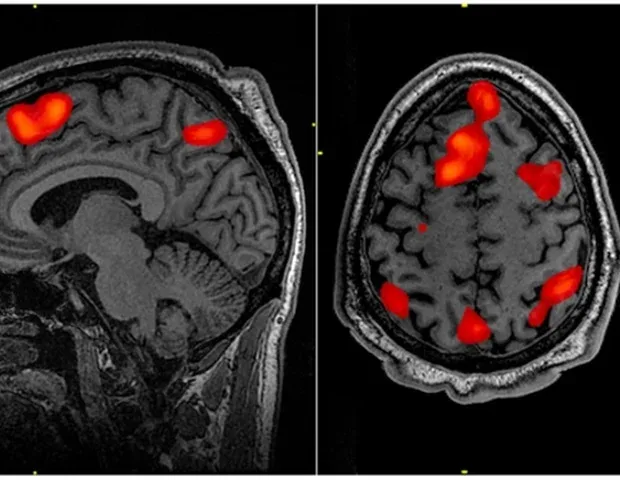
LINAC radiosurgery reduced seizure frequency by 75.6% in patients with drug-resistant MTLE.
Despite its effectiveness, the procedure led to significant side effects, including visual field deficits and memory impairment.
The study suggests further controlled trials are necessary to validate LINAC radiosurgery for clinical use.
A recent study conducted by researchers in Mexico has evaluated the effectiveness of linear accelerator (LINAC)-based radiosurgery for patients suffering from drug-resistant mesial temporal lobe epilepsy (MTLE). This innovative approach aims to offer an alternative to the conventional anterior temporal lobectomy (ATL), which many patients are unable to undergo due to the associated risks of severe side effects. The findings were published in the Chinese Neurosurgical Journal on September 8, 2026.
MTLE is a form of epilepsy that arises from the deep structures of the temporal lobe, particularly affecting the hippocampus and surrounding areas. Patients with this condition often experience drug-resistant seizures, leading to the consideration of surgical options like ATL. However, ATL carries risks such as cognitive dysfunction and visual field deficits, prompting the exploration of non-invasive alternatives like LINAC-based radiosurgery, which delivers focused radiation to targeted areas while sparing healthy tissue.
The research team, led by Dr. Clotilde Fuentes-Orozco, recruited seven adult patients aged between 18 and 65 who were diagnosed with unilateral drug-resistant MTLE. Each participant underwent comprehensive evaluations before the procedure, including electroencephalography and high-resolution MRI. Following the LINAC radiosurgery, patients were monitored closely through weekly calls and monthly visits, where they documented their seizure activity and any auras experienced.
Results indicated that LINAC radiosurgery successfully decreased seizure frequency by 75.6%, although it did not completely eliminate seizures. Additionally, patients who experienced auras reported a 60% reduction in their occurrences over a 24-month follow-up period. However, the procedure was not without complications; three patients developed visual field deficits, and one experienced memory issues. Furthermore, new auras emerged in three patients who had not previously reported them, and two patients experienced psychotic episodes requiring treatment.
The implications of this study are significant for the management of MTLE, suggesting that LINAC radiosurgery could serve as a viable alternative to traditional surgical methods. However, Dr. Fuentes-Orozco emphasizes the need for further controlled clinical trials to establish the safety and efficacy of this approach, particularly with the integration of neuroimaging biomarkers to enhance treatment outcomes.