India Unveils Indigenous Vaccine for Bird Flu on Friday
The launch of a new vaccine marks a significant advancement in the fight against bird flu in Indian poultry.
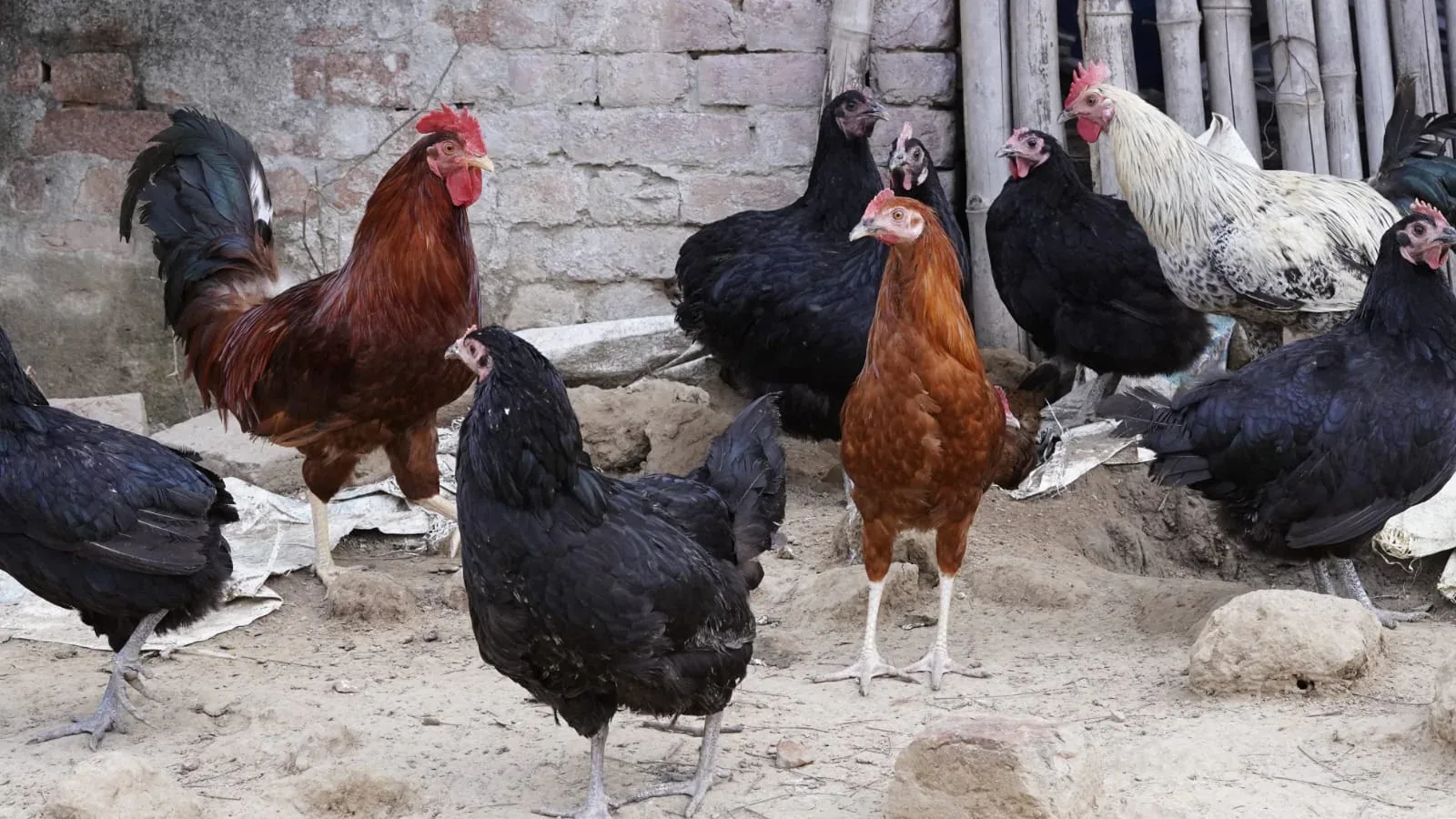
India's first indigenous vaccine for H5N1 bird flu will be launched on Friday.
Over 500 bird flu outbreaks have occurred in India since 2006, threatening poultry and farmers' livelihoods.
The new vaccine aims to reduce economic losses and protect public health.
On Friday, India will witness the launch of its first indigenous vaccine against the H5N1 strain of Highly Pathogenic Avian Influenza (HPAI), a significant milestone in combating bird flu in the poultry sector. The vaccine will be dedicated to the nation by Union Minister of Agriculture and Farmers Welfare, Shivraj Singh Chouhan, at the ICAR-National Institute of High Security Animal Diseases (ICAR-NIHSAD) in Bhopal.
The development of this vaccine comes in response to the persistent threat posed by bird flu, which has led to severe outbreaks and substantial financial losses for farmers. Since the first case was reported in India in 2006, the country has faced over 500 outbreaks, primarily involving the H5N1 and H5N8 subtypes. These outbreaks have not only resulted in mass culling of poultry but have also disrupted trade and increased prices of poultry products, creating a ripple effect on the economy.
Economic analyses indicate that a significant outbreak could lead to a 1.5% decrease in India's GDP growth, with more than 20% of the poultry population at risk. Historical data reveals that the 2006 outbreak alone caused estimated losses between Rs 2,200 crore and Rs 3,000 crore. Additionally, a separate incident in Manipur resulted in losses equivalent to 0.5% of the state's GDP, highlighting the financial vulnerability of the sector.
The implications of H5N1 extend beyond agriculture, posing serious public health risks. The World Health Organization (WHO) has reported 1,003 human cases of H5N1 avian influenza, resulting in 479 fatalities across 25 countries since 2003. The strain responsible for most outbreaks in chickens has also been detected in mammals, raising concerns about transmission to humans.
The introduction of the ICAR-NIHSAD vaccine is expected to bridge the gap in poultry protection against the circulating Clade 2.3.2.1a strain, which previously lacked a specific commercial vaccine. This initiative aims to mitigate economic losses for farmers and curb the virus's spread to other animals and humans, marking a crucial step in safeguarding both the poultry industry and public health.