India's TB Burden Remains High Despite Declining Mortality Rates
The Jan Swasthya Abhiyan India highlights ongoing TB challenges and demands transparency in reporting.
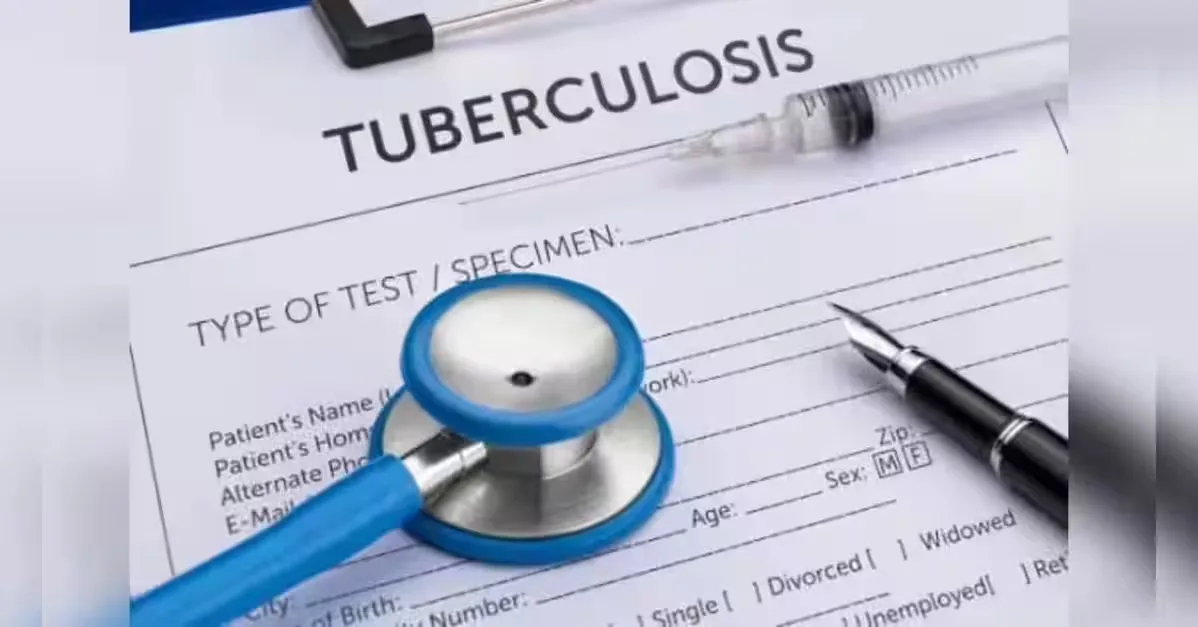
India accounts for 25% of global TB cases and 23% of deaths.
A 38% decline in TB mortality since 2015 has not alleviated the disease burden.
The organization calls for urgent reforms in TB medicine distribution and reporting.
In a recent statement, the Jan Swasthya Abhiyan India (JSAI) has raised alarms about the persistent high burden of tuberculosis (TB) in the country, despite a notable decline in mortality rates. According to the World Health Organization (WHO), approximately 10.6 million individuals were diagnosed with TB globally in 2025, resulting in 1.13 million deaths. India continues to be a significant contributor, accounting for nearly one-fourth of the world's TB cases and 23% of related fatalities, even as the country has seen a 38% reduction in TB mortality since 2015.
The JSAI's concerns were articulated in a letter addressed to the Indian government, where they emphasized the necessity for enhanced transparency in the estimation of TB incidence and the reporting of national programs. The WHO is currently reviewing India's latest TB incidence figures, pending an analysis of district-level sentinel surveillance data, which underscores the need for scientifically sound disease-burden assessments. The organization pointed out that the Central TB Division has not updated its annual TB report on its public portal since 2024, limiting the ability for independent evaluations and public accountability.
Among the critical issues raised, the procurement and distribution of anti-TB medications emerged as a significant concern. An investigation by The Indian Express revealed substantial disruptions in the supply of essential fixed-dose combination anti-TB medicines, with a 56.5% decrease in supplies during the intensive phase in 2023 compared to the previous year. Additionally, the continuation phase saw a 23% drop in availability. The JSAI also referenced a report from the Comptroller and Auditor General, which highlighted that anti-TB medicines worth ₹40.75 crore expired across five Government Medical Store Depots from July 2017 to February 2023.
The organization is advocating for an independent national assessment of the availability of TB medicines, alongside monthly disclosures of stock levels, stock-out days, and emergency procurement processes at the state and district levels. They are also calling for real-time monitoring of medicine availability at TB treatment facilities, ensuring adequate buffer stocks, and holding accountable those responsible for procurement delays and expired medications.
As the situation evolves, the JSAI's push for transparency and accountability in TB management underscores the urgent need for reforms in India's public health strategy. The organization is urging the government to take immediate corrective actions to address these critical gaps, ensuring that the fight against TB remains a priority in the nation's health agenda.