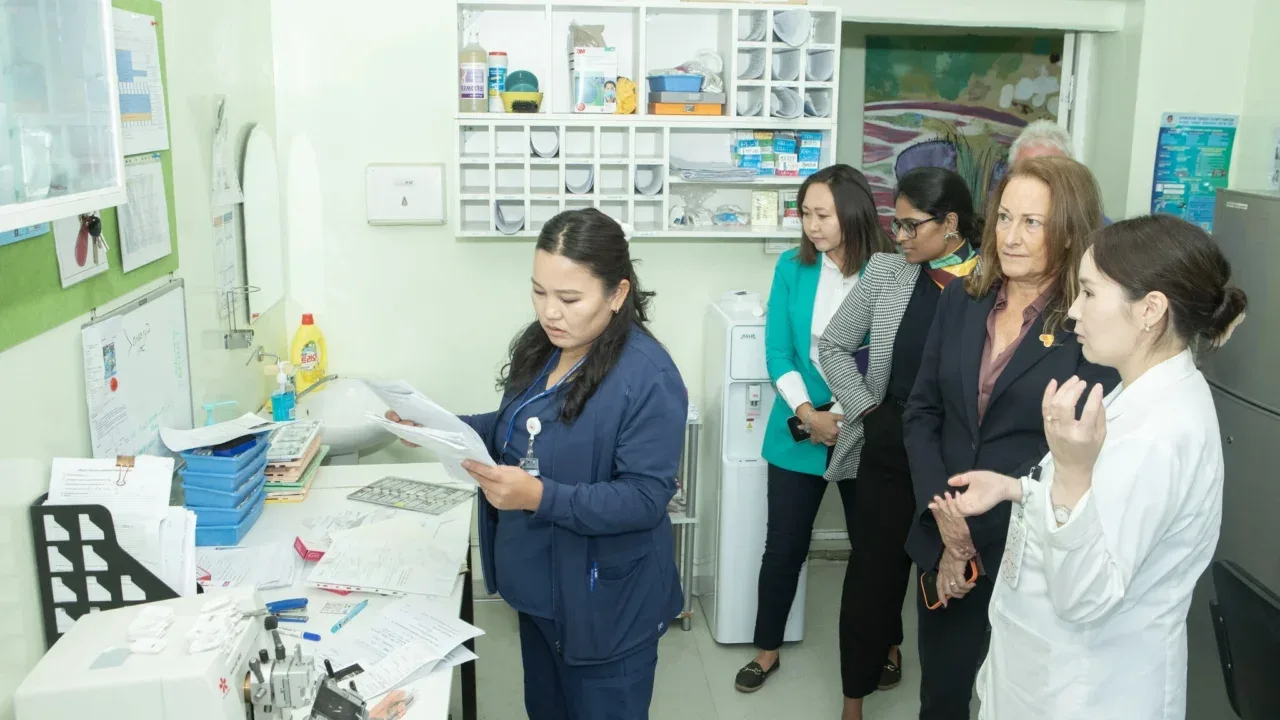
India Administers Over 10 Million HPV Vaccines, Receives WHO Praise
The WHO commends India for its significant achievement in HPV vaccination, marking a critical step in cervical cancer prevention.
India has successfully administered over 10 million HPV vaccine doses to girls aged 14.
The WHO emphasizes the importance of this initiative in combating cervical cancer.
This achievement reflects a collaborative effort involving the government, healthcare professionals, and communities.
The World Health Organization (WHO) has recognized India's remarkable achievement of administering more than ten million doses of the human papillomavirus (HPV) vaccine to girls aged 14. This milestone, celebrated in a recent social media announcement by the WHO, underscores India's commitment to combating cervical cancer, a disease that poses significant health risks to women worldwide.
This accomplishment is a result of a concerted effort involving the Government of India, healthcare providers, community organizations, and parents. The WHO highlighted that ensuring access to HPV vaccinations is vital in protecting young girls from cervical cancer, which can have severe consequences if not addressed early. The initiative aims not only to provide protection but also to enhance awareness regarding preventive health measures among the population.
As countries globally strive to enhance public health, India's vaccination campaign serves as a model for similar initiatives aimed at reducing cervical cancer rates. The WHO's acknowledgment of India's efforts comes at a time when many nations are ramping up their vaccination programs against various preventable diseases, emphasizing the critical role of immunization in improving health outcomes, particularly in low- and middle-income regions.
The HPV vaccine is recognized as a crucial weapon in the fight against cervical cancer, one of the most prevalent cancers among women. By administering this vaccine at an early age, health authorities aim to safeguard girls before they become sexually active, thereby reducing the incidence of cervical cancer in the future. This proactive approach is essential in the ongoing battle against preventable diseases.
In conclusion, India's achievement in administering over ten million HPV vaccine doses not only highlights the significance of vaccination but also reflects a broader commitment to enhancing health outcomes for women and girls. Such initiatives are vital for paving the way for healthier generations and combating preventable diseases effectively.