Immediate Steps to Take After Discovering a Breast Lump
Finding a lump in your breast can be alarming, but knowing how to respond can make a difference.
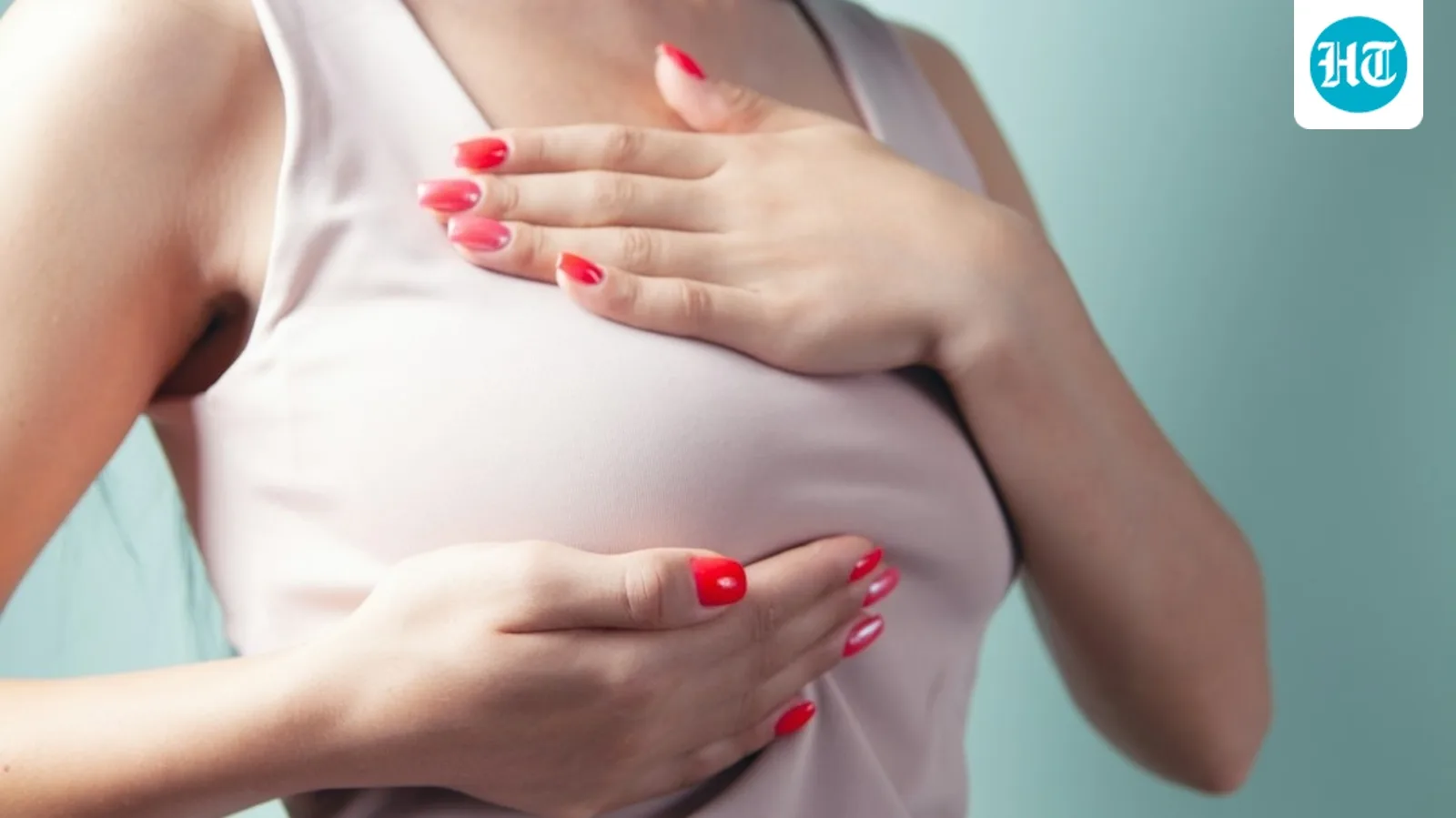
Not all lumps indicate cancer; benign conditions can also cause them.
Document any changes and symptoms before consulting a doctor.
Seek medical advice for any new or unusual breast changes.
Discovering a lump in your breast can be a distressing experience, often leading to immediate concerns about cancer. However, experts emphasize that not every lump signifies a serious condition. Dr. Balaji Ramani, a clinical surgical oncologist from Gleneagles in Chennai, advises that while it's crucial to take note of any new lumps, one should not jump to conclusions about cancer. Breast tissue can change due to various factors, including hormonal fluctuations related to menstruation, pregnancy, and breastfeeding.
When you first notice a lump, it’s important to remain calm and avoid excessive probing. Instead, focus on observing the lump's characteristics. Consider when you first detected it, its exact location, and any accompanying changes in breast size or shape. Additionally, take note of any skin alterations, nipple changes, or unusual discharges. These details will be valuable during your medical consultation.
A prevalent myth is that a painful lump is indicative of cancer. In reality, breast cancer can manifest as a painless lump, and not all painful lumps are cancerous. Hormonal changes and various benign conditions can also lead to breast pain. Dr. Ramani stresses that the presence or absence of pain should not be the sole factor in determining the nature of a breast change.
Upon visiting a healthcare provider, they will conduct a thorough examination, including taking your medical history and inspecting the breast and underarm areas. Depending on the findings and your age, imaging tests such as mammograms or ultrasounds may be recommended. These tests help differentiate between solid and fluid-filled lumps and can guide further actions, such as biopsies if necessary.
It is essential to seek medical attention if you notice any new lumps, changes in breast size or shape, persistent skin alterations, or unusual nipple discharge. While these symptoms do not automatically indicate cancer, they warrant professional evaluation. Remember, early detection and timely medical advice are crucial in addressing any breast health concerns.