Hepatitis B Vaccine Trial in Guinea-Bissau Halted Amid Controversy
A US-funded hepatitis B vaccine trial for newborns in Guinea-Bissau has been suspended due to lack of governmental approval, raising ethical concerns.
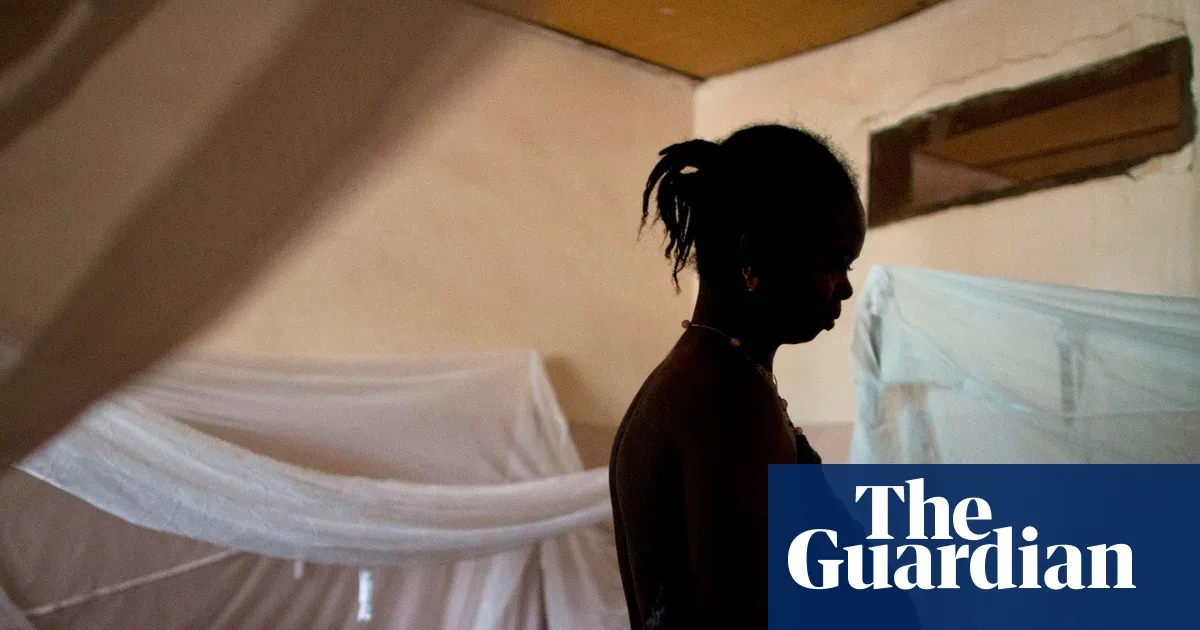
The hepatitis B vaccine trial in Guinea-Bissau was halted after researchers failed to secure necessary approvals.
Health experts criticized the trial's ethical implications, emphasizing the importance of immediate vaccination for newborns.
Guinea-Bissau plans to implement universal hepatitis B vaccination by 2028, amidst ongoing debates over the trial's legitimacy.
The controversial hepatitis B vaccine trial in Guinea-Bissau, backed by US funding, has been officially halted, as announced by lead researcher Frederik Schaltz-Buchholzer. The decision comes after it became evident that the study would not proceed due to the absence of essential governmental approvals. Schaltz-Buchholzer expressed this on LinkedIn, stating that the project would not advance in the country.
Previously, Guinea-Bissau's Minister of Health, Quinhin Nantote, had denied any plans for the trial to move forward, asserting that the claims were unfounded. The trial was set to receive funding totaling $3.2 million from the US Centers for Disease Control and Prevention (CDC) and private partners, including the Pershing Square Foundation.
Critics, including vaccine expert Paul Offit, have condemned the trial as unethical, advocating for immediate vaccination of newborns instead. Offit highlighted the urgent need for Guinea-Bissau to roll out hepatitis B vaccinations, given the high prevalence of the virus in the region. The government has since taken control of the vaccines intended for the study, which were seized during a search of the Bandim Health Project's offices.
The implications of halting this trial extend beyond immediate health concerns, as it raises questions about the ethical standards of conducting medical research in vulnerable populations. The WHO recommends that all infants receive the hepatitis B vaccine as soon as possible after birth, ideally within 24 hours. The ongoing debate underscores the necessity for transparent and ethical practices in vaccine trials, particularly in regions with limited healthcare resources.
Looking ahead, Guinea-Bissau aims to implement a universal birth dose of the hepatitis B vaccine by 2028. The recent developments surrounding the halted trial may influence future vaccination strategies and public health policies in the country, as health authorities strive to ensure that all newborns receive timely protection against hepatitis B.