Five Essential Tests for Effective Diabetes Management
Understanding key tests can significantly improve diabetes care and management.
40% of diabetes cases worldwide remain undiagnosed, according to WHO.
Regular testing can help prevent complications and manage blood sugar levels.
Five critical tests include HbA1c, FBS, OGTT, RBS, and UACR.
Dr. Ankita Verma, a consultant in internal medicine at Rama Hospital and Research Centre in Noida, emphasizes the importance of regular testing for diabetes management. With the World Health Organization reporting that 40% of individuals with diabetes are undiagnosed, early detection is crucial for effective treatment and prevention of complications. Understanding the key tests can empower individuals to take charge of their health.
The first test, the HbA1c, measures the percentage of hemoglobin in the blood that is bound to glucose, providing an average blood sugar level over the past two to three months. Results categorize individuals as normal (below 5.7%), prediabetic (5.7% to 6.4%), or diabetic (6.5% and above). Testing frequency varies: normal individuals should test every three years, while those with prediabetes should test annually, and diabetics may need to test twice a year or quarterly based on their treatment.
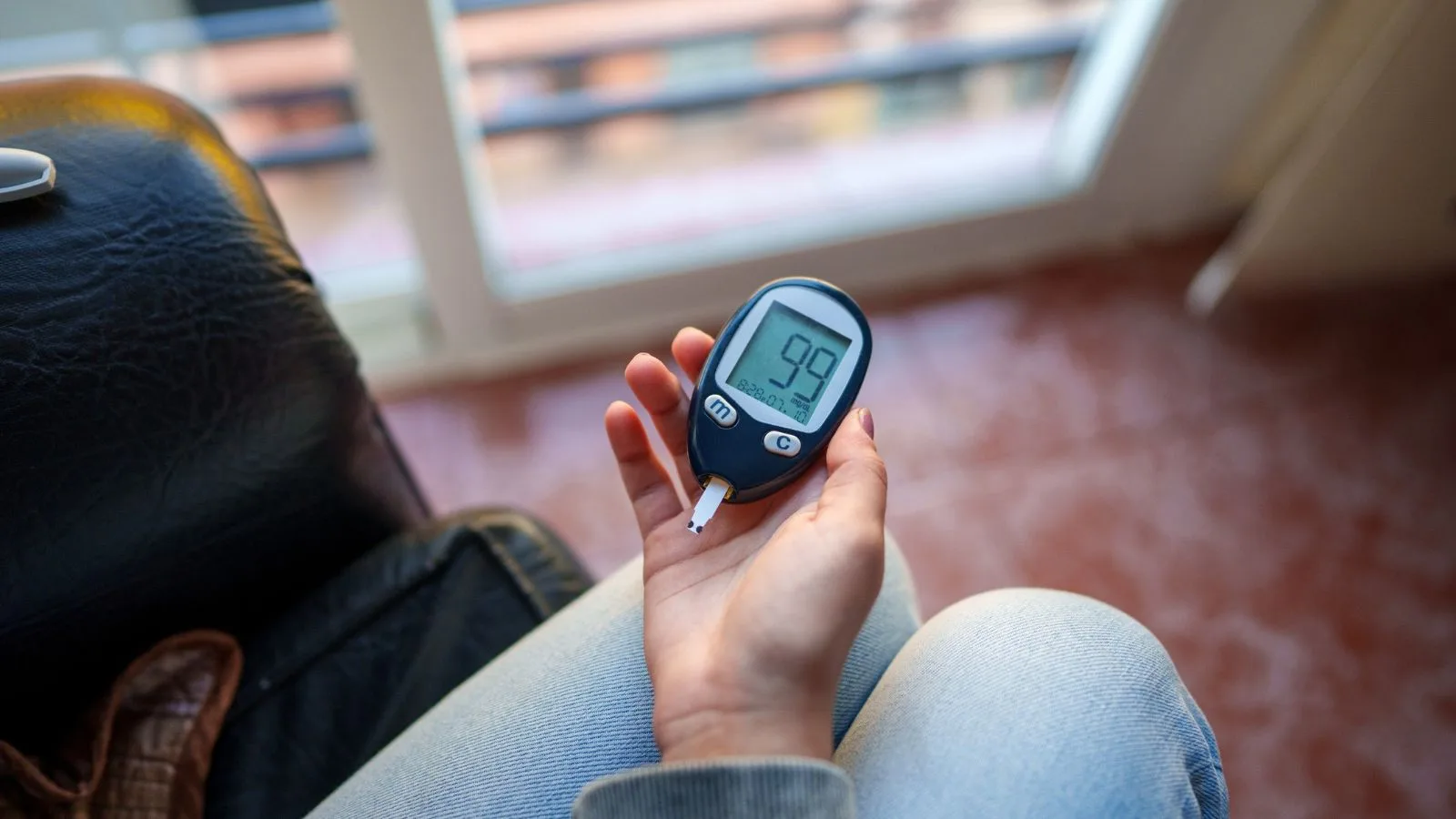
Next is the Fasting Blood Sugar (FBS) test, which assesses glucose levels after an overnight fast. Normal results are below 100 mg/dL, while prediabetes ranges from 100 to 125 mg/dL, and diabetes is diagnosed at 126 mg/dL or higher. Adults over 35 and those with risk factors should undergo this test regularly, with the frequency determined by initial results.
The Oral Glucose Tolerance Test (OGTT) evaluates how well the body processes glucose. After fasting, a glucose solution is consumed, and blood sugar is tested two hours later. Results indicate normal (below 140 mg/dL), prediabetes (140 to 199 mg/dL), or diabetes (200 mg/dL and above). This test is particularly useful for individuals with borderline results or pregnant women at risk for gestational diabetes.
Lastly, the Urine Albumin-to-Creatinine Ratio (UACR) test detects early kidney damage by measuring protein levels in urine. Normal results are below 30 mg/g, while higher levels indicate increasing severity of kidney issues. Individuals with Type 2 diabetes should be tested annually, while those with Type 1 should start testing five years after diagnosis. Regular monitoring and lifestyle adjustments can significantly mitigate the risk of long-term complications associated with diabetes.