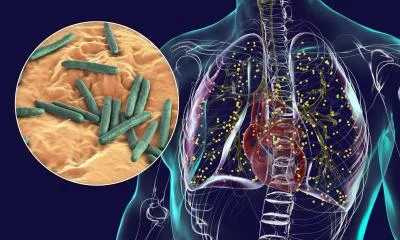
EpiScreen AI System Achieves 81% Diagnostic Accuracy for Seizures
A groundbreaking AI tool, EpiScreen, has demonstrated significant potential in distinguishing epilepsy from non-epileptic seizures with high accuracy.
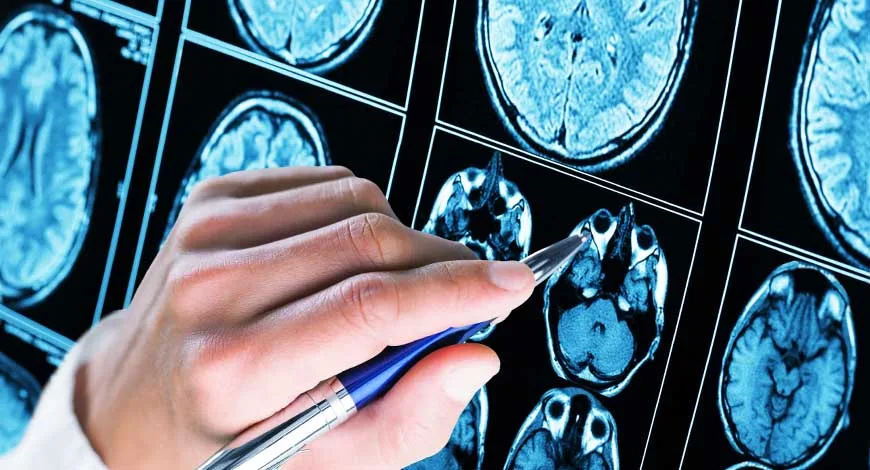
EpiScreen achieved an AUC of 0.992 in distinguishing epilepsy from PNES.
The AI system improved diagnostic accuracy for clinicians from 76.3% to 89.3%.
The study utilized over 13,000 patient records to validate EpiScreen's effectiveness.
In a significant advancement for neurology, researchers have developed an artificial intelligence system named EpiScreen, which has shown remarkable capability in differentiating epilepsy from psychogenic non-epileptic seizures (PNES). This innovative tool was detailed in a recent study published in the journal npj Digital Medicine, where it was validated using clinical notes from electronic health records (EHRs) across two institutions.
The study, which analyzed 13,633 patient records, aimed to determine if fine-tuned large language models (LLMs) could effectively classify these two seizure types. EpiScreen outperformed traditional models, achieving an area under the receiver operating characteristic curve (AUC) of 0.992 in within-institution tests and 0.980 in cross-institutional evaluations. This high AUC indicates EpiScreen's strong ability to distinguish between epilepsy and PNES, which is crucial given the complexities involved in diagnosing these conditions.
Epilepsy is a chronic neurological disorder affecting approximately 50 million people worldwide, characterized by recurrent seizures due to abnormal brain activity. Diagnosing epilepsy can be complicated by PNES, which mimics seizure activity but does not stem from electrical disturbances in the brain. Misdiagnosis is prevalent, with studies indicating that 20% to 30% of patients referred for drug-resistant epilepsy may actually have PNES. The conventional diagnostic method, prolonged inpatient video-electroencephalography (vEEG), is costly and time-consuming, often leading to delays in appropriate treatment.
EpiScreen was developed by adapting existing LLMs to analyze unstructured clinical narratives, utilizing a dataset from the Beth Israel Deaconess Medical Center and the University of Minnesota. The system was trained to recognize diagnostic signals within clinical notes, which often contain overlapping symptoms between epilepsy and PNES. In assessments, EpiScreen achieved an 81% diagnostic accuracy rate, comparable to unaided senior clinicians, and significantly improved accuracy when AI predictions were provided.
The implications of EpiScreen's success could be profound for the field of neurology. By facilitating earlier and more accurate diagnoses, the AI tool has the potential to reduce unnecessary treatments and costs associated with misdiagnosis. Future research will focus on real-time trials to evaluate EpiScreen's effectiveness in clinical settings, aiming to enhance the decision-making process for neurologists and improve patient outcomes.