Eczema Awareness Month: Understanding the Mind-Skin Connection
In October, experts highlight the significant link between psychological stress and atopic dermatitis.
54.6% of surveyed adults reported moderate to severe eczema.
50.2% of patients with severe eczema experience anxiety or depression.
Effective communication about emotional well-being is crucial in dermatology.
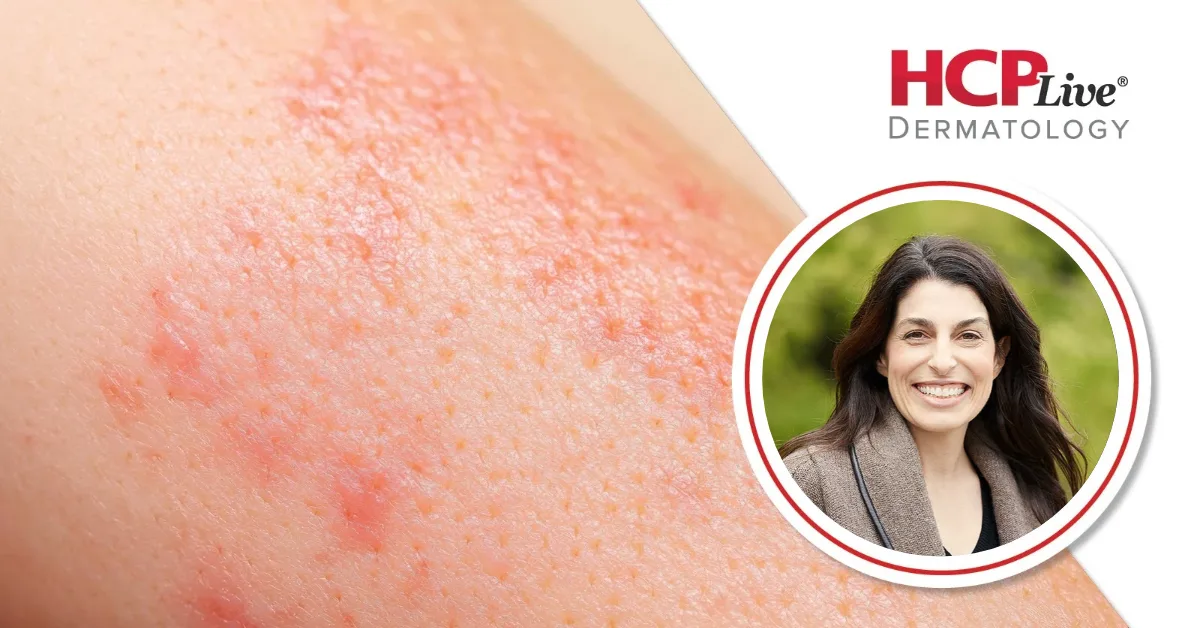
October is recognized as Eczema Awareness Month, prompting discussions about the intricate relationship between psychological stress and atopic dermatitis. Dr. Keira Barr, a dual board-certified dermatologist, emphasizes the importance of understanding how stress impacts skin conditions, particularly eczema. In a recent survey of 1,519 adults across six medical centers, it was found that 54.6% suffered from moderate to severe eczema, with these individuals experiencing itchiness an average of 5.7 days a week, significantly more than those with milder forms of the condition.
The survey also revealed alarming statistics regarding mental health among eczema patients. Approximately 50.2% of those with moderate to severe eczema reported symptoms of anxiety or depression, compared to 27.3% of patients with milder cases. Furthermore, individuals with more severe eczema experienced more disrupted sleep, averaging 2.6 disturbed nights per week versus just 0.4 nights for those with milder symptoms. This data underscores the profound impact eczema has not only on physical health but also on emotional and psychological well-being.
Dr. Barr highlights the cyclical nature of stress and eczema, where stress can exacerbate skin symptoms, leading to increased discomfort and further psychological strain. She advocates for a broader understanding of the condition, urging clinicians to recognize the emotional burden that accompanies physical symptoms. By addressing the psychological aspects of eczema, healthcare providers can better support patients in managing their condition and improving their quality of life.
The implications of these findings extend beyond individual patients, affecting public health and healthcare practices. As dermatologists become more aware of the psychological dimensions of eczema, they can implement more holistic treatment strategies that address both skin health and emotional well-being. This approach not only enhances patient care but also fosters a more compassionate healthcare environment.
Looking ahead, Dr. Barr encourages dermatologists to initiate conversations about emotional health during consultations. Simple questions about how eczema affects daily life can open the door to discussions about mental well-being. As awareness of the mind-skin connection grows, it is crucial for healthcare professionals to adapt their practices to support patients holistically, ensuring they receive comprehensive care that addresses both their physical and emotional needs.


