EAS Risk Calculator Highlights Hidden Cardiovascular Threats
Dr. Suraj Patil emphasizes the importance of Lp(a) in cardiovascular risk assessment and management.
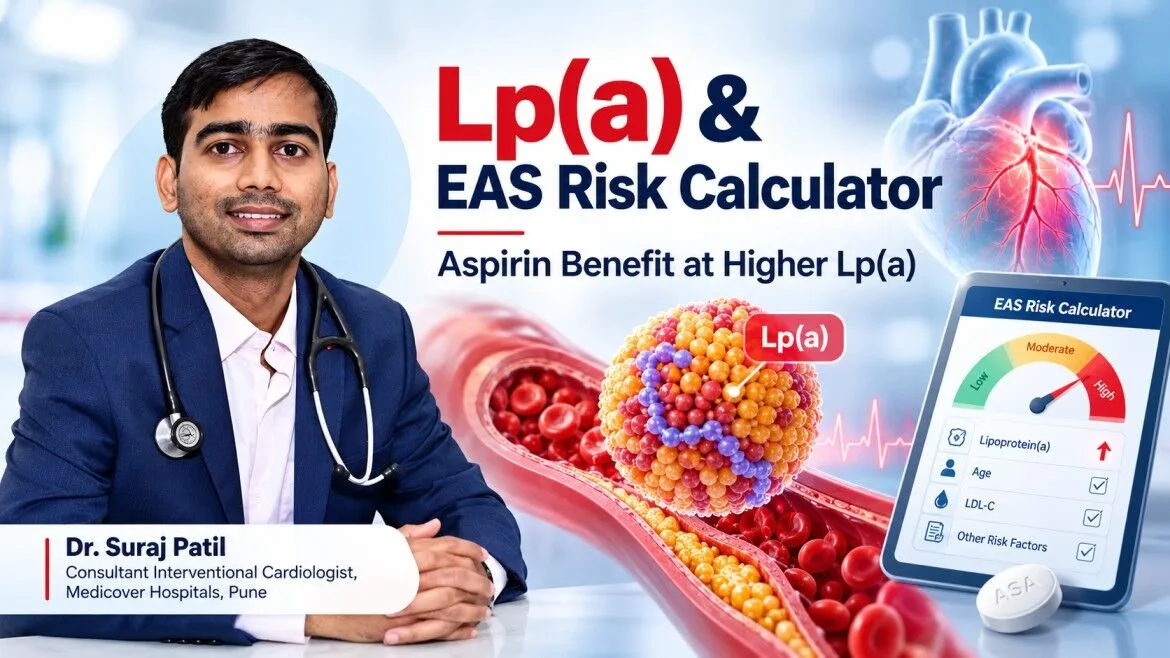
Elevated Lp(a) levels are linked to increased cardiovascular risk.
The EAS Lp(a) Risk Calculator helps quantify individual risk profiles.
Aspirin may provide greater cardiovascular benefits for those with high Lp(a) levels.
In a recent discussion, Dr. Suraj Patil shed light on the significance of lipoprotein(a) [Lp(a)] as a crucial yet often overlooked factor in cardiovascular risk assessment. He highlighted that traditional risk evaluations typically focus on age, blood pressure, and cholesterol levels, neglecting the genetically determined risks posed by elevated Lp(a). This lipoprotein is stable throughout adulthood and has been independently associated with atherosclerotic cardiovascular disease (ASCVD) and calcific aortic valve stenosis.
The evolving guidelines from major cardiovascular organizations now advocate for the inclusion of Lp(a) in routine assessments. The 2026 ACC/AHA guidelines recommend measuring Lp(a) in all adults, with levels at or above 50 mg/dL classified as risk-enhancing. Similarly, the 2025 ESC/EAS update recognizes Lp(a) levels above this threshold as significant for patients at moderate risk, emphasizing that the risk associated with Lp(a) increases continuously rather than at a fixed point.
Dr. Patil discussed findings from the Women's Health Study (WHS), which examined a subgroup with genetically elevated Lp(a) levels. This group, with a median Lp(a) of 79.5 mg/dL, demonstrated a two-fold increased risk of major cardiovascular events over nearly ten years compared to those with lower levels. The EAS Lp(a) Risk and Benefit Algorithm was highlighted as a tool that translates Lp(a) measurements into personalized risk assessments, showing that the impact of Lp(a) compounds with age.
The implications of these findings are significant for clinical practice. Elevated Lp(a) levels necessitate a more tailored approach to managing cardiovascular risk, focusing on controlling modifiable factors such as LDL cholesterol and blood pressure. Dr. Patil noted that while therapies specifically targeting Lp(a) are under development, current management strategies should prioritize overall ASCVD risk reduction.
Looking ahead, the discussion underscored the need for further research into the cardiovascular benefits of aspirin for individuals with elevated Lp(a). The WHS study indicated that aspirin may significantly lower the incidence of major cardiovascular events in this population. However, any decision regarding aspirin use for primary prevention must be individualized, balancing potential benefits against risks of bleeding.