Delhi's Air Quality Hits 331: Experts Warn of Eye Issues in Kids
As air quality in Delhi deteriorates ahead of Diwali, health experts alert parents about potential eye problems in children.
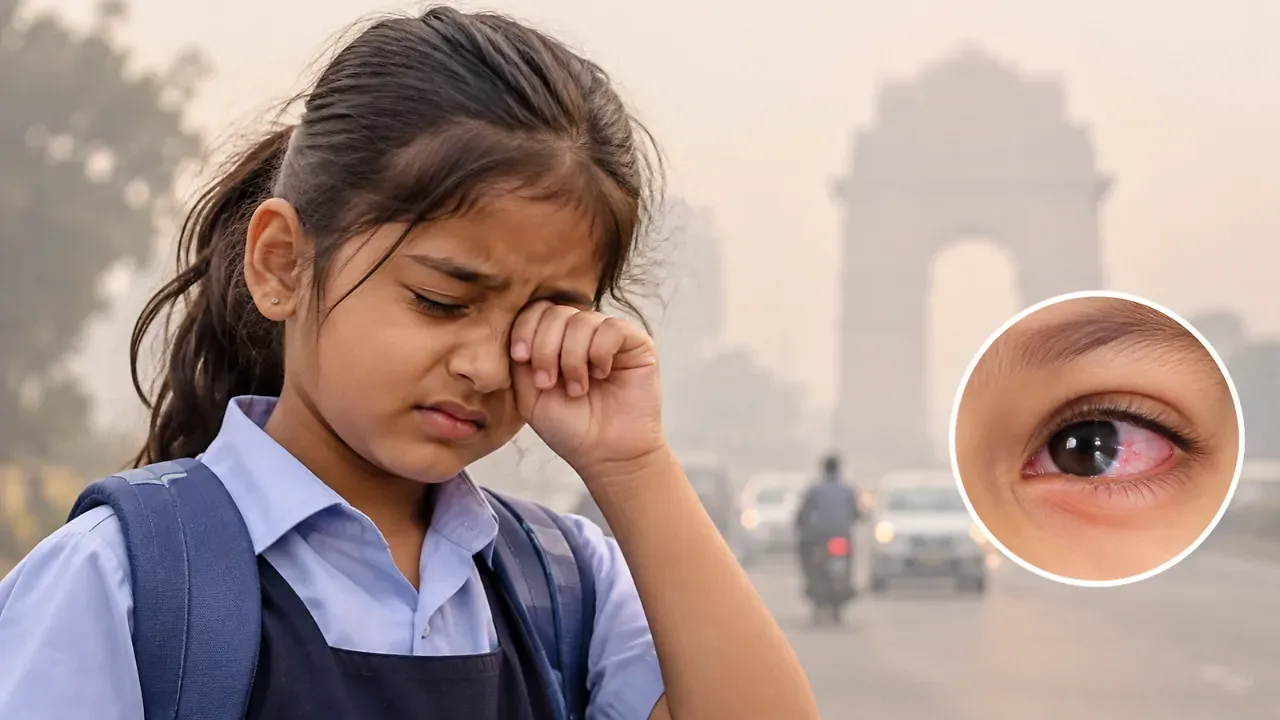
Delhi's AQI reached 331, categorized as 'very poor'.
Children's eyes are particularly vulnerable to pollution-related irritation.
Experts recommend reducing outdoor activities during high pollution days.
Delhi is facing a significant decline in air quality, with the average Air Quality Index (AQI) soaring to 331 as of 7 am on Tuesday, marking it as 'very poor'. This alarming situation comes just days before the Diwali festival, prompting health professionals to issue warnings regarding the potential impact on children's eye health. Eight monitoring stations have reported AQI levels exceeding 400, placing them in the 'severe' category, according to the Central Pollution Control Board (CPCB).
The CPCB data indicates that out of 58 monitoring stations in the city, 33 recorded AQI levels classified as 'very poor'. The India Meteorological Department (IMD) and the Indian Institute of Tropical Meteorology predict that this poor air quality is likely to persist in the coming days, raising concerns among parents and healthcare providers alike.
Dr. Shibal Bhartiya, Clinical Director of Ophthalmology at Marengo Asia International Institute of Neuro and Spine, emphasized that children are particularly susceptible to environmental irritants. He noted that exposure to pollutants can lead to symptoms such as redness, itching, and excessive tearing in children's eyes. Dr. Neepa Thacker Dave, a Senior Consultant in Pediatric Ophthalmology, explained that the delicate tear film that protects the eye can be disrupted by airborne pollutants, leading to irritation and inflammation.
The implications of this deteriorating air quality extend beyond immediate discomfort. Long-term exposure to poor air conditions may exacerbate existing ocular surface issues. Experts advise parents to limit children's outdoor activities on days with high pollution levels and to maintain closed windows during severe pollution episodes. They also recommend encouraging children to wash their faces after returning indoors and to avoid rubbing their eyes.
As the situation continues to evolve, parents are urged to be vigilant for signs of eye discomfort in their children, such as frequent rubbing, excessive blinking, or reluctance to engage in activities. Persistent symptoms should not be overlooked, as they may indicate the need for a professional eye examination. With the ongoing pollution crisis, timely medical intervention is crucial to safeguard children's eye health.