Daraxonrasib Shows Tumor Growth Halt in 90% of Pancreatic Cancer Patients
A new trial reveals that daraxonrasib effectively stops tumor progression in the majority of advanced pancreatic cancer patients.
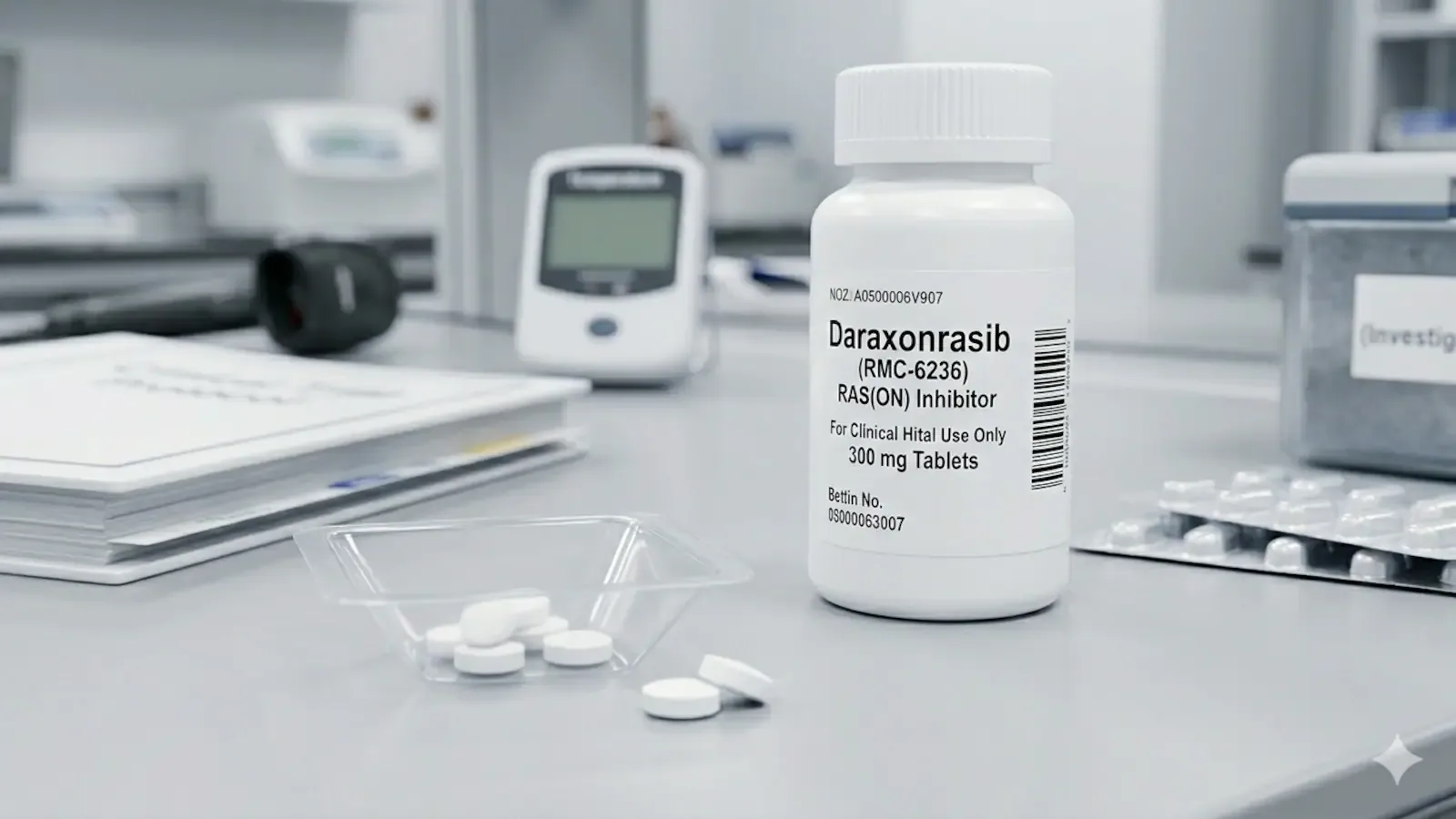
90% of patients experienced halted tumor growth with daraxonrasib.
Over 60% saw tumors shrink or disappear during the trial.
76.6% of participants remained alive one year post-treatment.
In a groundbreaking trial, researchers have demonstrated that the pancreatic cancer drug daraxonrasib successfully halted tumor growth in 90% of patients suffering from advanced disease. The phase I/II study involved 61 participants whose pancreatic cancer had metastasized, revealing that more than 60% of these individuals experienced significant tumor shrinkage or complete disappearance. Notably, around 8% of patients showed no detectable cancer on CT scans, marking a significant milestone in treatment efficacy.
Pancreatic cancer is notoriously challenging to treat, primarily due to late-stage diagnoses when the disease has often spread to other organs. This late detection significantly reduces the chances of long-term survival. The pancreas's deep location in the abdomen contributes to the difficulty, as early symptoms are often vague and can include unexplained weight loss and abdominal pain. Furthermore, over 90% of patients with the most common form of pancreatic cancer have mutations in the KRAS gene, complicating treatment options.
Daraxonrasib operates by targeting and blocking abnormal RAS proteins, including KRAS, which are responsible for cancer cell proliferation. By inhibiting these proteins, daraxonrasib effectively disrupts the signals that promote tumor growth. This mechanism represents a significant advancement in cancer treatment, particularly for a type of cancer that has been resistant to targeted therapies for decades.
The trial's findings are promising, with participants followed for an average of 18 months. After one year, 76.6% of patients were still alive, and some maintained no visible signs of cancer during this period. However, researchers caution that daraxonrasib is not a cure, and further studies are needed to assess long-term outcomes and the potential for permanent remission.
Looking ahead, the implications of this research extend beyond pancreatic cancer. The FDA approved daraxonrasib in August 2026 for specific advanced pancreatic cancer cases, with European approval following shortly after. Researchers are also exploring the drug's potential effectiveness against other cancers associated with RAS and KRAS mutations, indicating a broader impact on cancer treatment strategies in the future.