Danish Researchers Face Police Action Over Hepatitis B Vaccine Trial in Guinea-Bissau
Police intervention halts a controversial hepatitis B vaccine trial in Guinea-Bissau amid ethical concerns.
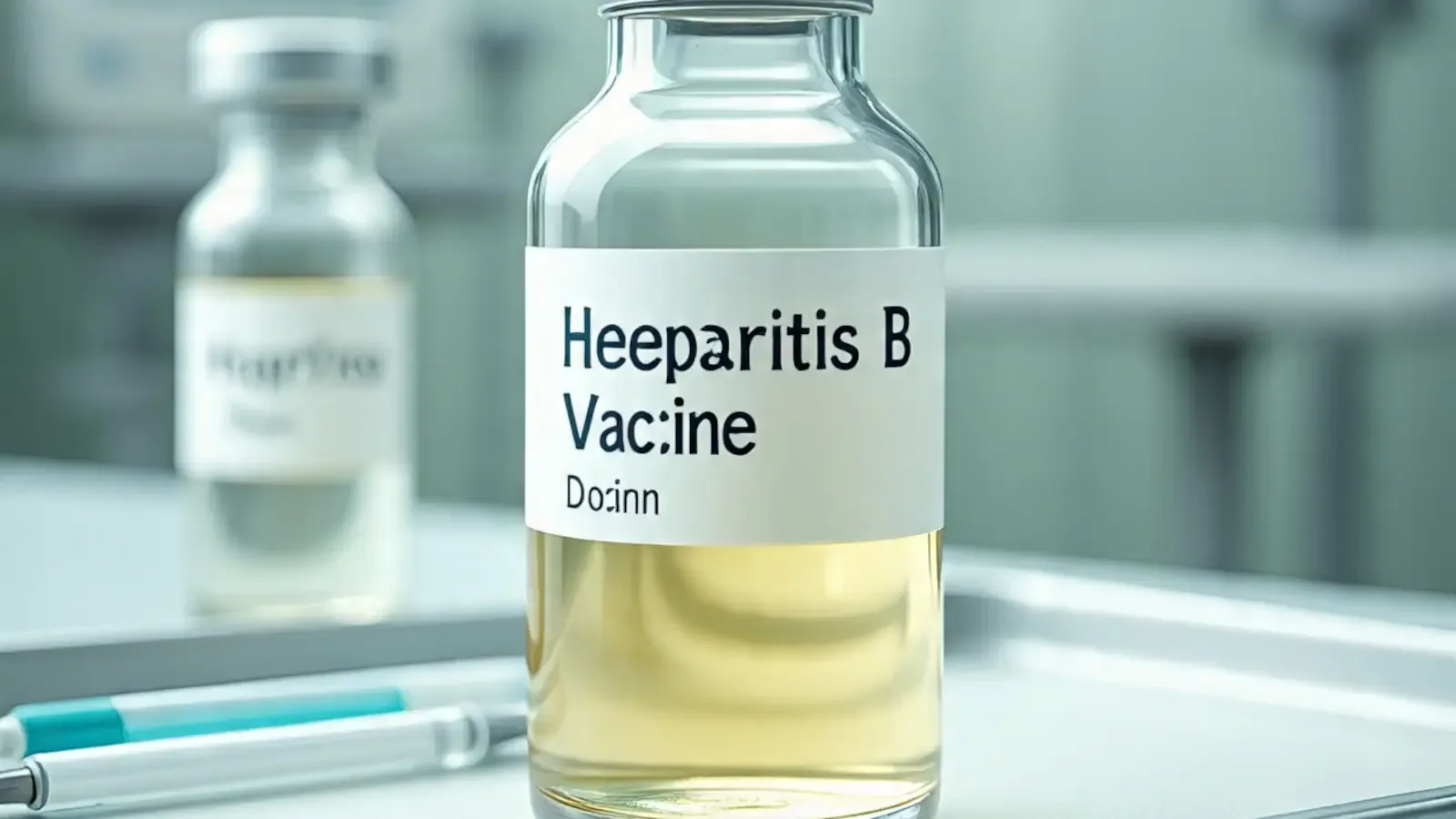
Police sealed the premises of a hepatitis B vaccine trial in Guinea-Bissau.
The World Health Organization criticized the ethical implications of the study.
The trial, involving 14,000 newborns, has not yet commenced.
A hepatitis B vaccine trial led by Danish researchers in Guinea-Bissau has been halted following police action. On Monday, authorities sealed the refrigerator containing the vaccines intended for the study, which has not yet begun. Christine Stabell Benn, one of the project leaders, confirmed that no children have been enrolled or vaccinated, emphasizing that the police intervention did not disrupt an ongoing trial.
The controversial study proposed to involve 14,000 newborns, with only a portion receiving the hepatitis B vaccine at birth. This approach raised significant ethical concerns, particularly from the World Health Organization (WHO), which labeled it unethical to withhold a proven lifesaving vaccine from some participants. The WHO highlighted the risks of serious health issues, including chronic infection and liver cancer, for newborns who would not receive the vaccine.
Despite having received ethical approval from Guinea-Bissau's national ethics committee and the University of Southern Denmark's Research Ethics Committee, Stabell Benn stated that governmental authorization is still necessary to proceed with the trial. On October 16, the Council of Ministers in Guinea-Bissau reaffirmed its refusal to accept the study under the current protocol, which is crucial for the trial's initiation.
Guinea-Bissau faces a significant public health challenge, with over 12% of adults living with chronic hepatitis B. The infection rate among children under five is also concerning, with approximately 2% affected in 2020, surpassing global targets. The halted trial, funded by a grant from the US Centers for Disease Control and Prevention, aimed to address this pressing health issue but now faces substantial hurdles.
Looking ahead, the researchers must navigate the ethical and regulatory landscape to gain the necessary approvals to proceed. The situation underscores the complexities of conducting clinical trials in regions with high disease burdens and the importance of ethical considerations in public health research.


