Chinese Clinical Trial Shows 84% Efficacy in Cancer Treatment Using Waste Water Technology
A groundbreaking trial in China demonstrates the potential of a nano-carbon iron injection, achieving significant results in cancer treatment.
The trial reported an 84% efficacy rate in treating advanced cancer patients.
Sixteen patients experienced halted tumor growth, with two showing tumor shrinkage.
A Phase II trial is underway involving 52 additional participants.
A pioneering clinical trial in China has revealed an impressive 84% efficacy rate in treating advanced cancer through an innovative approach that utilizes waste water technology. This trial specifically focuses on patients suffering from metastatic cancer, who have limited treatment options available after traditional therapies have failed. The novel treatment involves a nano-carbon iron injection, which has shown promising results in halting tumor growth in 16 patients, while two of those patients experienced a reduction in tumor size.
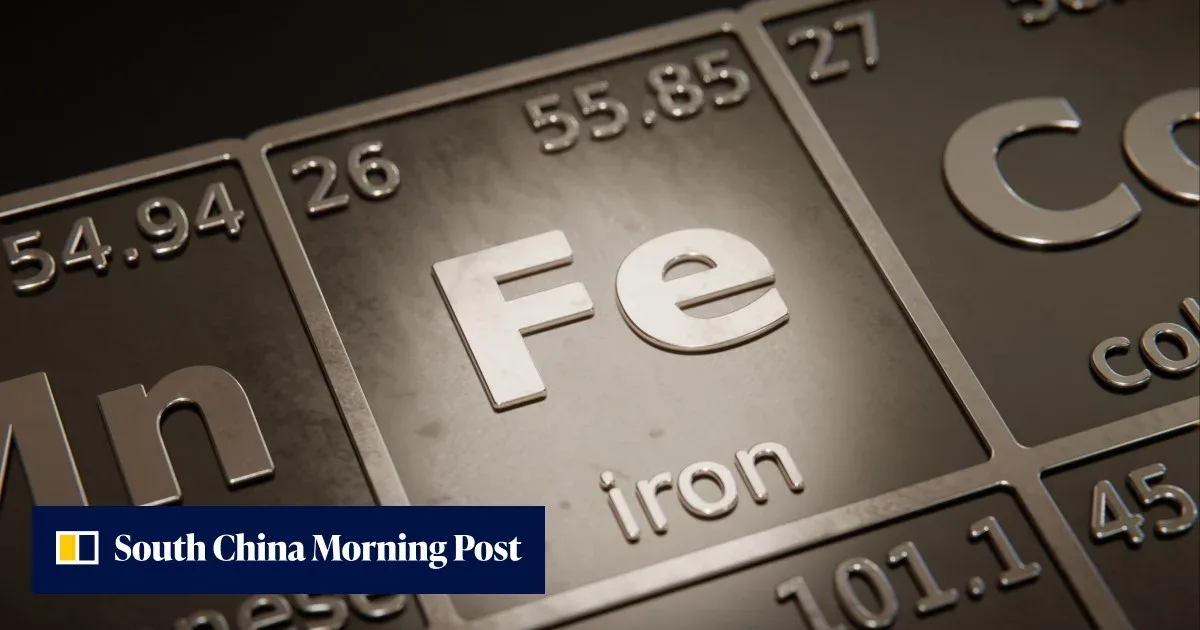
The concept behind this treatment stems from techniques used in industrial waste water management. Researchers found that iron can react with hydrogen peroxide to produce hydroxyl radicals, which are effective in breaking down harmful organic compounds in waste water. Inspired by this, Chinese scientists adapted the method to target malignant tumors, creating a nano-carbon iron injection known as CNSI-Fe, where 'Fe' denotes ferrous iron. This innovative approach aims to leverage the properties of iron to combat cancer cells in a unique manner.
The initial trial has laid the groundwork for further research, with a Phase II trial currently in progress that includes 52 additional participants. This next phase will help to validate the findings of the first trial and assess the treatment's effectiveness across a broader patient population. The results thus far have generated considerable interest in the medical community, as they suggest a potential new avenue for cancer treatment that could be more accessible and less invasive than conventional therapies.
The implications of this trial extend beyond individual patient outcomes. If further studies confirm the efficacy of the nano-carbon iron injection, it could revolutionize cancer treatment protocols, particularly for those with advanced stages of the disease. This could lead to a significant shift in how oncologists approach treatment for metastatic cancer, potentially improving survival rates and quality of life for patients who currently have few options.
Looking ahead, researchers are optimistic about the future of this treatment. The ongoing Phase II trial is expected to provide more comprehensive data on the safety and effectiveness of the nano-carbon iron injection. As the medical community closely monitors these developments, there is hope that this innovative approach could soon become a viable treatment option for patients battling advanced cancer.