Cervical Cancer Awareness: Importance of Regular Screening
Fertility expert Dr. Rashmika Gandhi emphasizes the need for cervical screenings even in asymptomatic women.
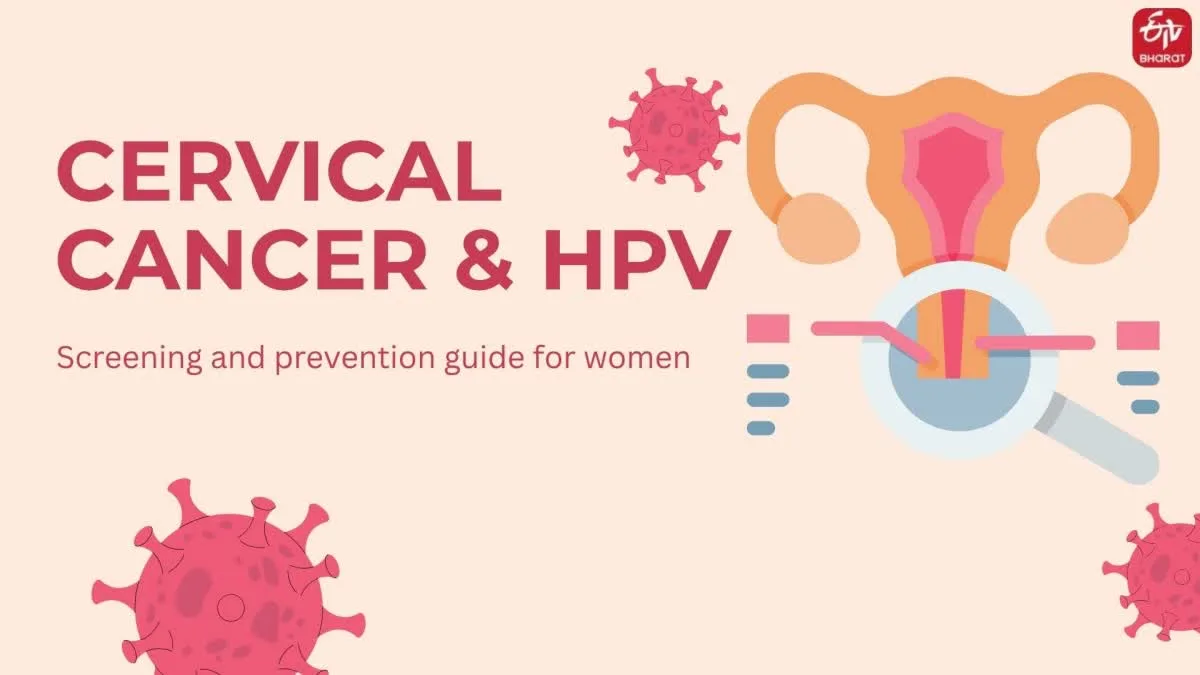
Cervical cancer can develop silently due to HPV infections.
Regular screenings can detect precancerous changes early.
HPV vaccination is crucial but does not replace screening.
Cervical cancer, often linked to persistent infections from high-risk human papillomavirus (HPV), can develop without noticeable symptoms. Dr. Rashmika Gandhi, a fertility specialist at Birla Fertility & IVF in Gurgaon, stresses that women, regardless of their health status, should undergo cervical screenings to catch any potential issues early on.
The HPV virus is primarily transmitted through skin-to-skin contact, and while most infections are cleared by the immune system, some high-risk strains can lead to serious health concerns. Dr. Gandhi explains that HPV testing and Pap smears serve different purposes: the former identifies high-risk HPV types, while the latter checks for abnormal cervical cells that could indicate precancerous conditions. Women are encouraged to discuss their screening options with their gynecologists, with recommendations typically suggesting these tests every three to five years.
Regular cervical screenings are vital as the transition from precancerous lesions to cervical cancer can take years. Early detection through these screenings allows for timely interventions that can significantly reduce the risk of developing cancer. Dr. Gandhi reassures that an abnormal Pap result does not automatically indicate cancer; further evaluations will determine the necessary next steps, which may include additional testing or procedures like colposcopy or biopsy.
Preventative measures against cervical cancer include vaccination against HPV, which is recommended for individuals aged 11 to 45. The ideal time for vaccination is before the onset of sexual activity, providing protection against the virus. However, Dr. Gandhi emphasizes that vaccination does not eliminate the need for regular cervical screenings. Women experiencing symptoms such as unusual bleeding or discharge should seek medical advice, as these could indicate other health issues.
In summary, the prevention of cervical cancer hinges on a combination of vaccination, regular screenings, and prompt follow-up care. Each component plays a unique role in safeguarding women's health, underscoring the importance of proactive healthcare measures.