Cannabis Inhalation Linked to Higher Anesthesia Needs in Endoscopy
A recent study reveals that cannabis smokers may require more anesthesia during upper endoscopies compared to users of edibles.
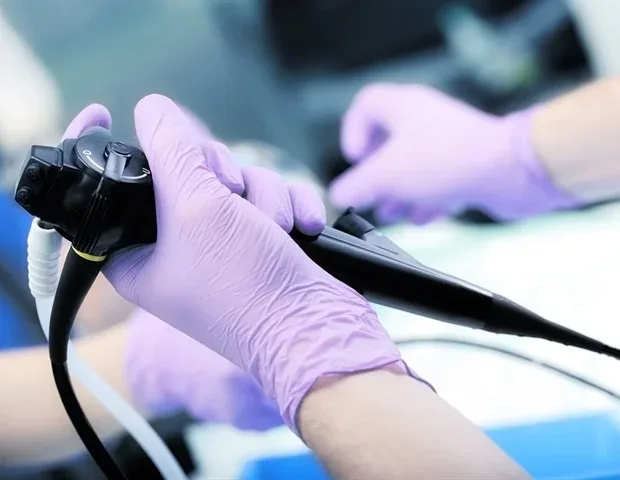
Cannabis smokers need more anesthesia than non-users or edible consumers during procedures.
Study analyzed 280 endoscopic procedures, highlighting differences in propofol dosage.
Patients are urged to disclose their cannabis usage method for better anesthesia planning.
A new study presented at the ANESTHESIOLOGY® 2026 annual meeting indicates that patients who smoke or vape cannabis may require higher doses of anesthesia during upper endoscopies compared to those who consume cannabis edibles or do not use cannabis at all. This research emphasizes the importance of understanding the method of cannabis consumption when planning for sedation during medical procedures.
The study, led by Dr. Basavana Goudra from Sidney Kimmel Medical College, involved a review of 280 gastrointestinal endoscopic procedures, including colonoscopies and upper endoscopies. The analysis focused on 264 patients who provided complete information regarding their cannabis use, categorizing them into non-users, inhaled users, and those who consumed edibles. The findings reveal that while initial propofol doses were similar across all cannabis users and non-users, significant differences emerged when analyzing the data based on the method of consumption.
Specifically, the average initial propofol dose was recorded at 138.7 mg for non-users, 168.5 mg for inhaled cannabis users, and 114.2 mg for those who consumed cannabis orally. Notably, patients undergoing upper endoscopy who inhaled cannabis required an average of 192.8 mg of propofol, compared to 151.4 mg for non-users and 145.0 mg for oral users. This suggests that inhalation of cannabis is associated with a higher demand for anesthesia during such procedures, while edible cannabis users did not exhibit the same increased requirement.
The implications of this study are significant for both patients and healthcare providers. It highlights the necessity for patients to communicate their cannabis usage accurately, including the method and frequency of use, to their anesthesiologists. This information is crucial for tailoring anesthesia plans and ensuring patient safety during procedures. The researchers pointed out that previous studies often failed to differentiate between cannabis consumption methods, which may have led to conflicting results regarding anesthesia needs.
Looking ahead, the findings from this study could influence future guidelines for anesthesia management in patients who use cannabis. Healthcare professionals are encouraged to adopt a more detailed approach when assessing patients' cannabis use, ensuring that anesthetic care is appropriately adjusted based on individual consumption patterns. This research underscores the importance of comprehensive patient disclosures in optimizing medical care and outcomes.