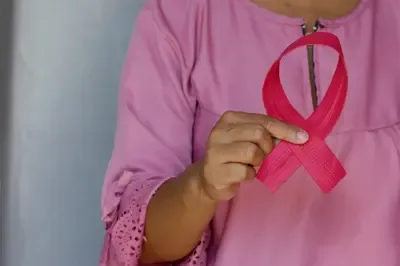
Breast Cancer Survivor's Journey: Overcoming Body Trauma
Rinu, a 55-year-old breast cancer survivor, shares her emotional recovery journey post-mastectomy.

Rinu faced severe body image trauma after a total mastectomy.
Therapy and family support were crucial in her recovery process.
Integrated care combining surgery and psychological support is essential for healing.
Rinu, a 55-year-old woman, recently shared her profound journey of recovery following a total mastectomy due to breast cancer. The diagnosis was a life-altering moment for her, as she had always valued her appearance and self-image. The decision to undergo surgery was not just a physical one; it marked a significant emotional turning point, as she grappled with the loss of a part of her body that was closely tied to her identity and femininity.
Post-surgery, Rinu experienced intense psychological trauma, struggling to accept her new appearance. The fear of confronting her reflection led her to cover mirrors in her home, and she found it nearly impossible to care for her surgical wound due to overwhelming anxiety. This emotional distress resulted in social withdrawal, prompting her doctor to refer her to an onco-psychologist for specialized support.
Through structured therapy sessions, Rinu began to reclaim her sense of self. Her onco-psychologist utilized gradual desensitization techniques, helping her to slowly confront her fears and view her surgical site in a safe environment. This process was bolstered by the unwavering support of her family, particularly her husband, who played a vital role in her emotional recovery.
Experts in surgical oncology emphasize the importance of addressing the psychological impact of major surgeries like mastectomies. They advocate for comprehensive care that includes mental health support alongside physical healing. Patients should be prepared for the emotional challenges that accompany significant body changes, and discussions about reconstructive options should occur prior to surgery to mitigate post-operative distress.
Today, Rinu has embraced her new reality, finding strength in her journey and the support she received. She can now look in the mirror with acceptance and love, highlighting the importance of addressing both physical and emotional wounds in the recovery process. Her story serves as a reminder that overcoming cancer involves not just physical healing but also the restoration of mental well-being, encouraging other survivors to seek help and share their experiences openly.