Breast Cancer Screening Recommendations Begin at Age 40
Experts emphasize the importance of early detection and personalized treatment in breast cancer management.
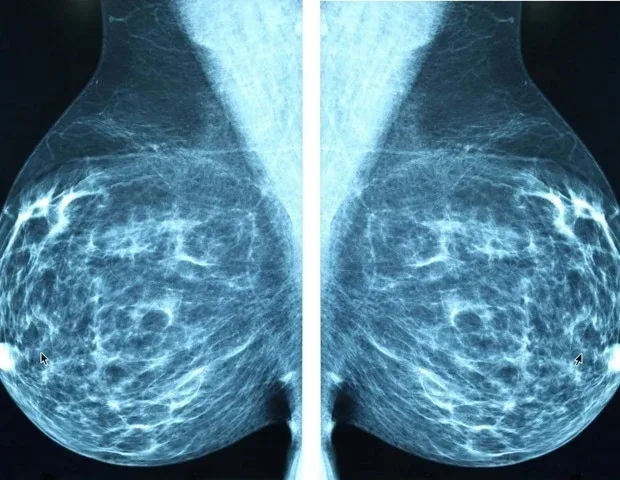
Early detection of breast cancer significantly increases survival rates.
Women at average risk should start mammograms at age 40, with discussions about personal risk starting earlier.
Advancements in technology and personalized treatment are transforming breast cancer care.
Recent advancements in breast cancer screening and treatment are enabling earlier detection of the disease, allowing for tailored therapies and potentially reducing the need for aggressive treatments like chemotherapy and surgery. In recognition of Breast Cancer Awareness Month, Cedars-Sinai breast surgical oncologists Ronald Hurst, MD, and Carey Cullinane, MD, shared insights on these developments and the importance of understanding individual breast cancer risk.
According to Dr. Hurst, early detection of breast cancer is crucial as it significantly improves survival rates and often leads to less intensive treatment. The five-year survival rate for women diagnosed at the earliest stage exceeds 99%, while it drops to 87% if the cancer has spread to lymph nodes, and further declines to 33% in metastatic cases. This stark contrast underscores the necessity of timely screening.
Dr. Cullinane advises that women at average risk should begin mammograms at age 40, but those in their 20s and 30s should consult their doctors regarding their personal risk factors. Factors such as family history, genetic testing, and breast density should be discussed to create a personalized screening plan. This ongoing dialogue is essential, as a woman's risk may evolve over time, making early conversations about screening vital.
Recent years have seen significant changes in screening technologies, including the introduction of 3D mammography and AI algorithms that enhance image analysis. These innovations allow for more detailed examinations and can lead to additional imaging procedures like breast ultrasounds or MRIs if initial mammograms raise concerns. However, Dr. Cullinane cautions that increased sensitivity may lead to more false alarms, emphasizing the need for tailored screening based on individual risk to minimize unnecessary stress.
Treatment approaches have also evolved, with a focus on personalized care. Genetic testing of tumors helps determine the most effective treatments, enabling some women to avoid chemotherapy or radiation that was once standard. Additionally, advancements in immunotherapy are extending the lives of women with metastatic cancer, allowing them to maintain a normal lifestyle despite their diagnosis. Dr. Hurst encourages newly diagnosed patients to rely on their healthcare providers and trusted individuals for support, as navigating treatment options can be overwhelming.