BJMC and Sassoon Hospital Launch Targeted Sequencing for TB
Pune's BJ Medical College and Sassoon General Hospital initiate advanced sequencing to tackle drug-resistant tuberculosis.
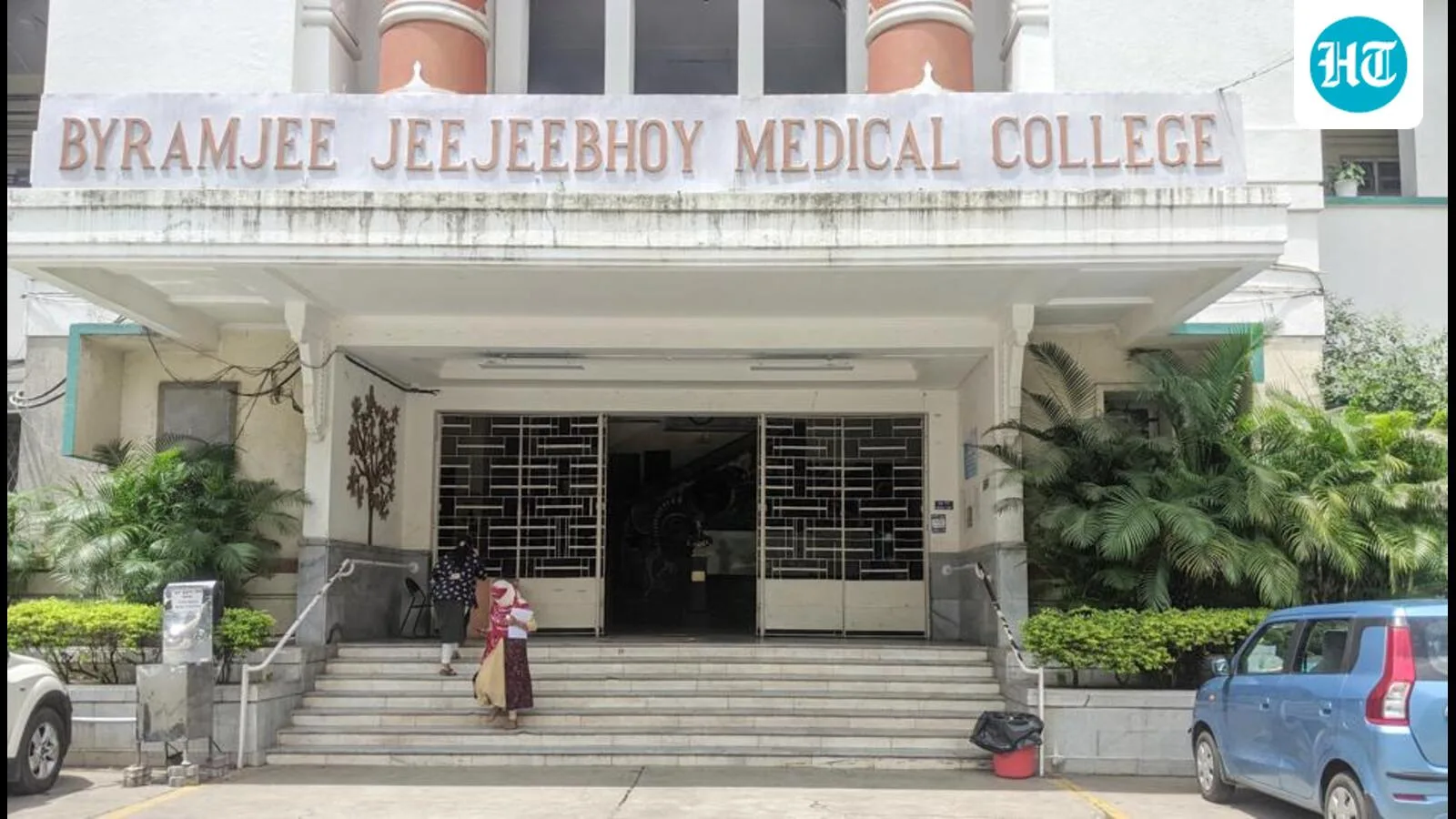
First-time use of targeted next-generation sequencing (tNGS) in Pune for TB diagnosis.
The initiative aims to enhance treatment options for drug-resistant tuberculosis patients.
48 samples have been isolated for analysis to identify drug-resistance mutations.
In a pioneering effort, experts at BJ Medical College (BJMC) and Sassoon General Hospital (SGH) in Pune are set to implement targeted next-generation sequencing (tNGS) to detect drug-resistant mutations in tuberculosis (TB) patients. This innovative approach will commence next month, marking a significant advancement in the fight against drug-resistant TB.
The initiative is designed to improve diagnostic accuracy and assist healthcare professionals in selecting more effective treatment regimens for patients suffering from drug-resistant TB (DR-TB). By focusing on specific regions of the TB genome, tNGS provides rapid and detailed genetic insights, addressing the limitations of traditional drug-susceptibility testing methods.
Dr. Rajesh Karyakarte, head of the microbiology department at BJMC, emphasized the importance of this study, stating that it will help identify resistance patterns in TB patients. The analysis will include samples from both regular TB patients and those undergoing treatment for drug-resistant forms at SGH. The World Health Organization (WHO) has endorsed the use of tNGS for detecting drug-resistant TB, further validating the significance of this initiative.
The study will analyze 48 isolated samples to uncover genetic mutations associated with resistance to TB medications. The findings will not only aid in tailoring treatment plans but will also be shared with the governments of India and Maharashtra to inform public health strategies. Dr. Karyakarte noted that the initiative aims to provide a clearer understanding of drug-resistance mutations, ultimately improving treatment outcomes for affected patients.
Furthermore, tNGS is expected to play a crucial role in the drug-resistant TB surveillance program, offering reliable information on multiple anti-TB drugs in a single test. This method can identify mutations that may be overlooked by other molecular tests, making it a potentially more cost-effective option for comprehensive drug susceptibility testing. The upcoming study represents a significant step forward in addressing the challenges posed by drug-resistant tuberculosis in India.