Barry Marshall Advocates Early H. pylori Eradication to Prevent Gastric Cancer
Nobel laureate Barry Marshall emphasizes the importance of early detection and treatment of H. pylori to combat gastric cancer during the World Congress of Gastroenterology.
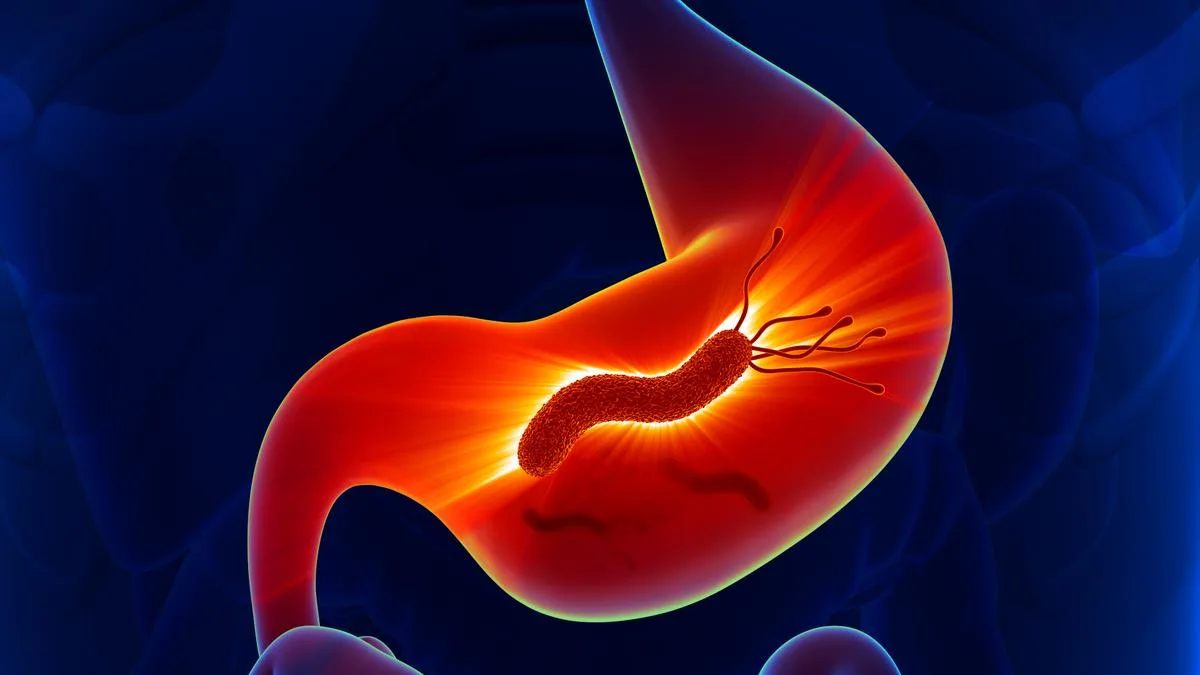
Dr. Barry Marshall highlights the link between H. pylori infection and gastric cancer.
The World Congress of Gastroenterology 2026 focused on global gastrointestinal health issues.
Antibiotic resistance poses a significant challenge to effective H. pylori treatment.
Nobel Prize-winning gastroenterologist Dr. Barry Marshall has underscored the critical role of early eradication of Helicobacter pylori (H. pylori) infections in preventing gastric cancer. Speaking at the World Congress of Gastroenterology (WCOG 2026) in New Delhi, he urged for broader testing and effective treatments to ensure that infections are fully cleared. Dr. Marshall, who was awarded the Nobel Prize in 2005 for his discovery of H. pylori's link to gastritis and peptic ulcers, stated that the bacterium should not be viewed merely as a cause of ulcers but as a significant risk factor for gastric cancer if left untreated.
During the four-day congress, which concluded on October 3, 2026, approximately 3,000 delegates from 61 countries gathered to discuss pressing issues related to gastrointestinal and liver diseases, including the prevention of gastric cancer through early detection of H. pylori. Dr. Marshall's remarks come at a time when there is a renewed global emphasis on screening and treating H. pylori infections as a preventive measure against gastric cancer. The International Agency for Research on Cancer (IARC) has recommended such population-based programs where the benefits are expected to outweigh the risks.
Dr. Marshall stressed the importance of identifying individuals infected with H. pylori and providing them with effective eradication therapies. He noted that early detection could significantly reduce the risk of developing cancer by preventing chronic inflammation caused by prolonged infection. However, he also pointed out that rising antibiotic resistance is a growing concern that complicates treatment strategies. A recent review highlighted that increasing resistance to antibiotics threatens the effectiveness of established treatment regimens for H. pylori.
The IARC guidance emphasizes the need for antibiotic stewardship and tailoring treatments based on local resistance patterns. Dr. Marshall pointed out that India, with its high prevalence of H. pylori infections, plays a crucial role in understanding local bacterial strains and resistance patterns. He called for research to identify effective antibiotics and improve access to testing and treatment for the population.
In addition to advocating for prevention, Dr. Marshall introduced the PYtest, a non-invasive breath test for detecting active H. pylori infections. This quick diagnostic tool could facilitate easier detection and screening in India, where gastric cancer remains a significant health challenge. As the urgency for prevention increases, Dr. Marshall's insights highlight the need for concerted efforts to combat gastric cancer through effective management of H. pylori infections.