Banbury Resident Faces Early Menopause After Cancer Diagnosis
Danielle Standen, diagnosed with breast cancer at 33, shares her experience of sudden menopause and its challenges.
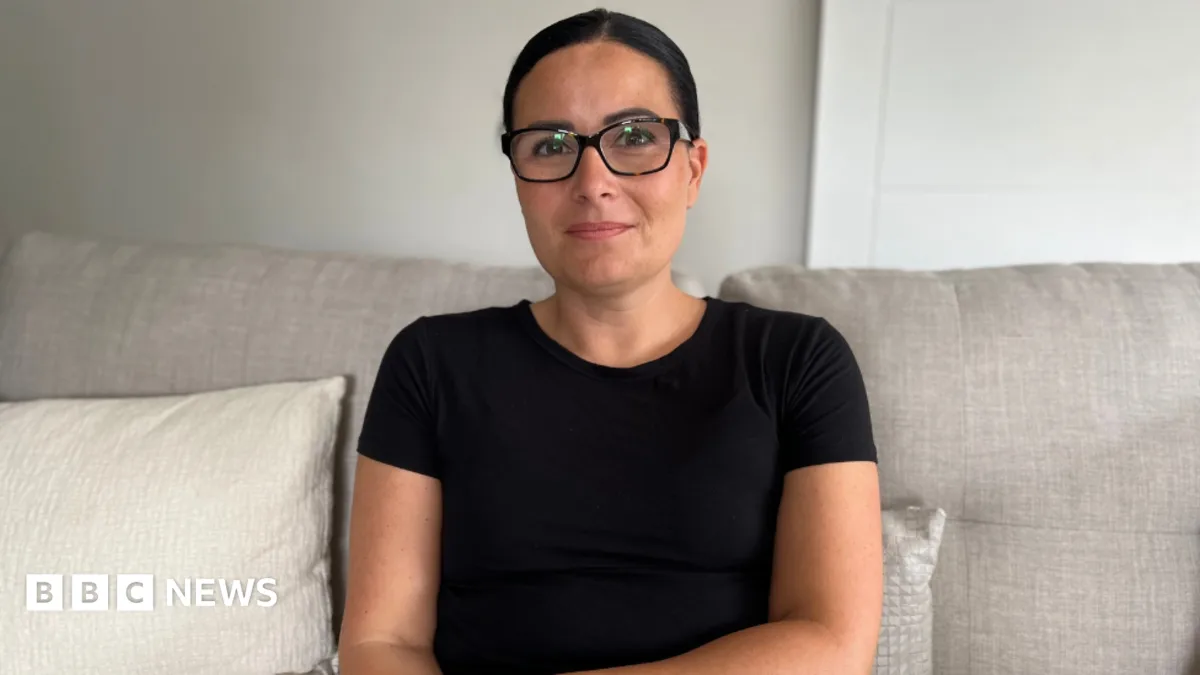
Danielle Standen entered early menopause following breast cancer treatment at age 33.
The impact of 'crash menopause' can be severe, leading to intense symptoms.
Healthcare providers are working to improve support for women facing treatment-related menopause.
Danielle Standen, a 41-year-old woman from Banbury, has opened up about her unexpected journey into early menopause after being diagnosed with breast cancer in 2018. At the age of 33, she began chemotherapy, during which she was informed that the treatment would render her infertile and lead to early menopause. This abrupt transition left her feeling unprepared and overwhelmed, as she described it as being 'blindsided' by the information provided.
The phenomenon of early menopause, particularly when induced by cancer treatments, is becoming increasingly recognized. Unlike natural menopause, which occurs gradually, early menopause can happen within days or weeks, often referred to as 'crash menopause.' This rapid onset can result in severe symptoms such as mood swings, hot flashes, and cognitive difficulties. Standen noted that she felt as though she lost her identity, grappling with a range of emotional and physical challenges that consumed her daily life.
Organizations like Maggie's, which provide cancer support, emphasize the need for better communication regarding the implications of early menopause for women diagnosed with cancer. Gilly Howard-Jones, the Centre Head at Maggie's in Southampton, highlighted that while cancer treatment is crucial, the effects of menopause are frequently underestimated. Many women are not adequately informed about what to expect, leading to feelings of confusion and isolation during their treatment journey.
The Department of Health and Social Care has acknowledged the importance of addressing the long-term effects of cancer treatment, including menopause. A spokesperson stated that through the National Cancer Plan, efforts are being made to ensure that every cancer patient receives a personalized care plan that includes recognition of menopause-related issues. This initiative aims to improve the overall support system for women undergoing such life-altering changes.
As Standen reflects on her experience, she expresses gratitude for her family but is acutely aware of the challenges faced by younger women diagnosed with cancer who may not have the same support. She advocates for increased awareness and resources for those affected by early menopause, emphasizing the need for healthcare providers to strengthen their support systems for women navigating these complex situations. Moving forward, healthcare institutions are committed to learning from patient experiences to enhance care for those impacted by treatment-related menopause.