Balancing Intensive and Extensive Reading in Education
A new discourse highlights the need for both intensive and extensive reading to foster a love for literature among students.
Intensive reading focuses on detailed analysis of texts, while extensive reading encourages reading for pleasure.
Countries like Japan and Italy promote extensive reading through dedicated associations.
The English Language Teachers’ Association of India has initiated a nationwide movement to enhance reading habits.
A recent discussion in academia reveals a pressing concern regarding students' reading habits, particularly their engagement with textbooks. Despite the rise of digital media, which offers interactive and personalized reading experiences, many students find traditional classroom reading methods uninspiring. This disconnect raises questions about how to rekindle students' interest in reading, especially in an age dominated by screens.
Historically, the educational system has emphasized intensive reading, which involves a thorough examination of a limited number of texts. This approach demands cognitive effort and often leads to fatigue, detracting from the enjoyment of reading. In contrast, extensive reading allows students to explore a wide array of materials, from fiction to non-fiction, fostering a love for literature that can last a lifetime. Experts argue that both methods are essential and should coexist in educational curricula.
Intensive reading is characterized by its focus on detailed comprehension, critical analysis, and understanding of complex language structures. In contrast, extensive reading prioritizes fluency and enjoyment, allowing learners to choose what they read based on personal interests. This distinction is crucial, as extensive reading has been shown to cultivate lifelong reading habits, a sentiment echoed by notable figures like Shashi Tharoor, who advocates for reading across genres.
The implications of integrating both reading approaches are significant. Countries such as Japan and Italy have established organizations to promote extensive reading, supporting educators and encouraging students to read widely. In India, the English Language Teachers’ Association of India (ELTAI) is spearheading a movement aimed at nurturing a culture of reading for pleasure among students, recognizing the importance of fostering autonomous readers.
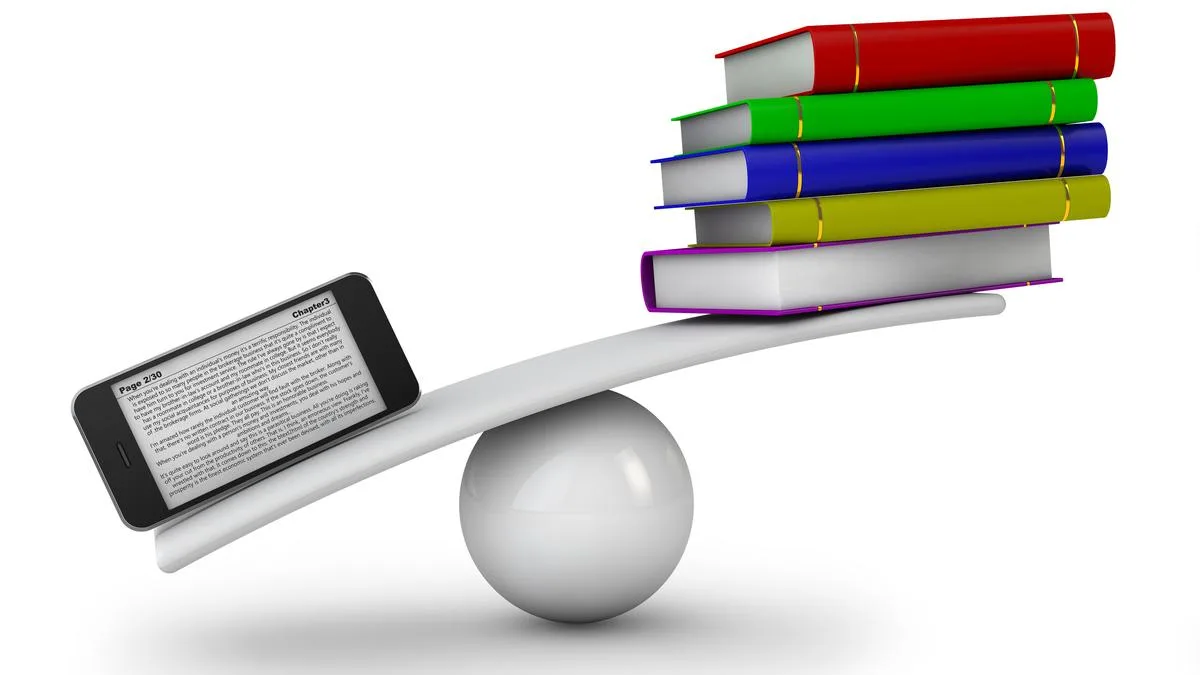
Looking ahead, the challenge lies in creating a balanced reading environment that embraces both digital and print formats. As technology evolves, educators must encourage students to navigate between e-reading and traditional books, ensuring that the art of reading remains vibrant. This balanced approach is vital for developing critical thinking and creativity in future generations, reinforcing the idea that a nation that reads is a nation that leads.