B. uniformis Bacteria Molecule Reduces Atherosclerosis in Mice
A new study reveals that a fatty acid from gut bacteria can lower cholesterol levels and reduce atherosclerosis in mice, though less effectively than atorvastatin.
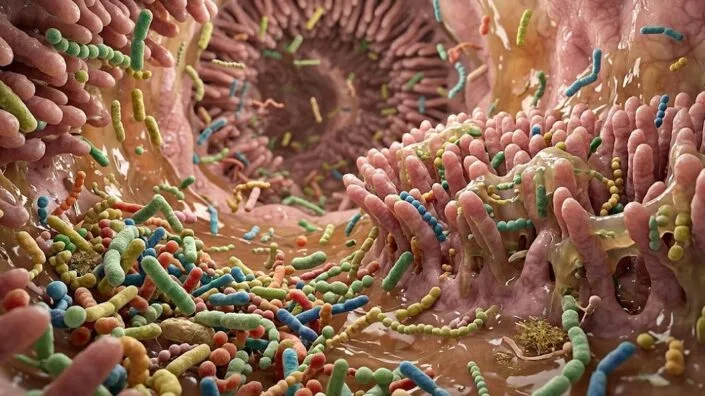
Pentadecanoic acid from B. uniformis bacteria shows potential in lowering LDL cholesterol.
The treatment reduced plaque formation and improved cholesterol profiles in mice.
Further research is needed to evaluate the efficacy of this fatty acid in humans.
A recent study has demonstrated that a molecule derived from the gut bacterium Bacteroides uniformis can significantly reduce atherosclerosis in mice. Conducted by a team of Chinese researchers, the study highlights how this bacterium enhances the activity of LDL receptors, which are crucial for removing harmful cholesterol from the bloodstream. The findings suggest that pentadecanoic acid, a saturated fatty acid produced by B. uniformis, plays a key role in this process, although its effects are somewhat weaker compared to the commonly used cholesterol-lowering drug atorvastatin.
Atherosclerosis is a condition characterized by the buildup of cholesterol-rich plaques in arterial walls, leading to inflammation and cardiovascular complications. The liver helps mitigate this issue by utilizing LDL receptors to clear low-density lipoprotein (LDL) from the blood. Previous studies indicated that certain gut bacteria can influence cholesterol metabolism, prompting researchers to explore the connection between gut microbiota and atherosclerotic disease. Their analysis revealed that B. uniformis was more prevalent in healthy individuals compared to those with cardiovascular issues.
In the experiment, male mice genetically modified to lack the Apoe gene, which is essential for cholesterol clearance, were treated with B. uniformis over a twelve-week period. The treatment resulted in a notable reduction in plaque area within the aorta and a decrease in overall cholesterol levels, including LDL and triglycerides. While atorvastatin produced slightly better results, the study established that B. uniformis could slow the progression of atherosclerosis, highlighting its potential as a natural alternative for cholesterol management.
The researchers also investigated the underlying mechanisms, finding that B. uniformis increased the expression of LDL receptors and activated SREBP2, a protein that regulates cholesterol levels in the liver. When the LDL receptor gene was disabled, the beneficial effects of the bacterium were negated, indicating the necessity of functional LDL receptors for its cholesterol-lowering impact. Furthermore, B. uniformis was found to reduce cholesterol synthesis in the liver, prompting an increase in LDL receptor activity to draw more cholesterol from the bloodstream.
Looking ahead, the implications of this research could pave the way for new treatments targeting atherosclerosis through gut microbiota. While pentadecanoic acid appears promising, further studies, particularly involving human subjects, are essential to determine its effectiveness and safety compared to traditional statins. The researchers emphasize the need for more comprehensive investigations to fully understand the potential of gut-derived molecules in cardiovascular health.