Antibiotic Resistance Linked to 4.7 Million Deaths in 2021
The rise of antibiotic resistance poses a significant global health challenge, with innovative solutions like AI and animal models being explored for new antibiotic development.
Antibiotic resistance caused over 4.7 million deaths globally in 2021.
More than 70% of disease-causing bacteria are resistant to at least one antibiotic.
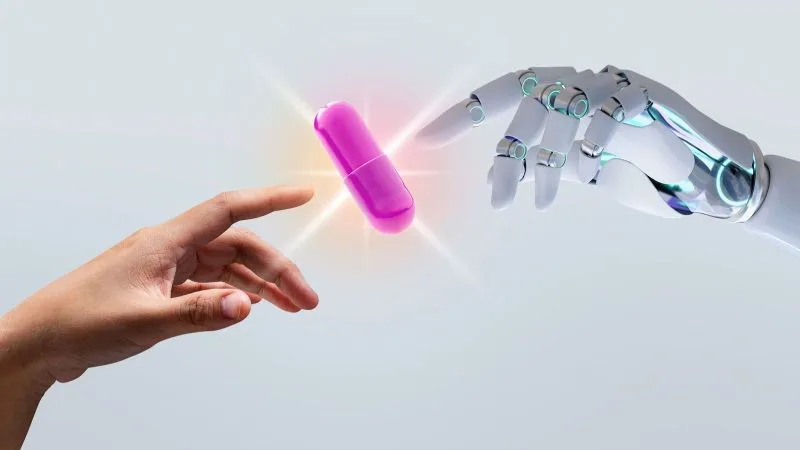
AI is enhancing antibiotic discovery, but animal models remain essential for validation.
Antibiotic resistance has emerged as a critical global health crisis, contributing to over 4.7 million deaths worldwide in 2021 alone. The increasing prevalence of resistant bacteria threatens the effectiveness of existing antibiotics, with more than 70% of disease-causing bacteria now resistant to at least one antibiotic. This alarming trend necessitates urgent action to develop new antibiotics and combat the rising tide of infections that could soon become untreatable.
Historically, antibiotics revolutionized medicine, but their overuse has led to a significant rise in antimicrobial resistance. The World Health Organization (WHO) warns that if this trend continues, treating resistant infections could cost over $400 billion annually by 2035. Coordinated global policies are now being implemented to reduce infections, preserve the efficacy of existing antibiotics, and promote responsible usage in both humans and animals.
The misuse of antibiotics is not limited to human medicine; over two-thirds of antibiotics are administered to food-producing animals, many of which are also critical for human health. This interconnectedness underscores the need for a “One Health” approach, which recognizes the link between human, animal, and environmental health in addressing antibiotic resistance. Researchers are now tracing resistant bacteria across these domains to develop comprehensive strategies for mitigating the spread of resistance.
Despite the challenges in antibiotic development, advancements in artificial intelligence (AI) are beginning to reshape the landscape of drug discovery. AI can predict the properties of existing compounds and design new molecules, potentially accelerating the identification of promising candidates. However, many AI-generated compounds face practical challenges in laboratory synthesis, and biases in training data can lead to failures in efficacy during testing.
While AI is a promising tool in the fight against antibiotic resistance, animal models remain a crucial component of the drug development process. Candidates must undergo rigorous testing in laboratory settings before progressing to animal studies that simulate human infections. This validation process is essential to ensure the safety and effectiveness of new antibiotics. As the field evolves, the integration of AI with traditional methods may pave the way for innovative solutions to combat drug-resistant infections in the future.