AI's Role in Heightening Pregnancy Anxiety: A Closer Look
As expectant mothers increasingly turn to AI for health queries, experts warn of rising anxiety and misinformation.
Over 77% of pregnant women use the internet for pregnancy-related inquiries.
Excessive online searches can lead to heightened anxiety and confusion.
Experts emphasize the importance of direct communication with healthcare providers.
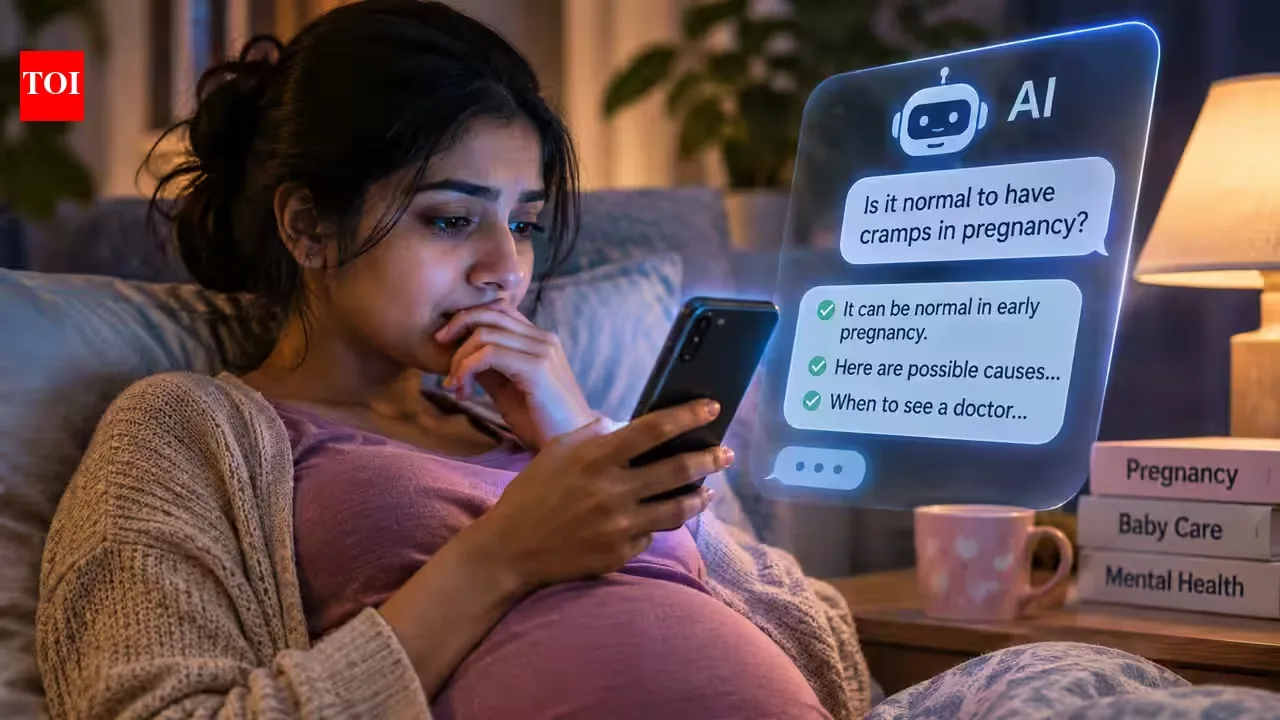
In the early hours of the morning, when expectant mothers notice a decrease in fetal movement or experience persistent headaches, the urge to seek immediate answers through AI chatbots has become commonplace. This reliance on technology for reassurance can sometimes provide comfort, but it often leads to increased anxiety as women encounter new medical terms and potential complications. Experts across India are raising concerns about the risks associated with pregnant women depending heavily on online resources for health information.
The digital age has transformed how pregnant women access information. While the internet offers a wealth of medical knowledge, it can also create confusion. Dr. Kaishreen Khan, a consultant obstetrician in Pune, notes that the abundance of information does not necessarily correlate with improved health outcomes. Instead, excessive searching can exacerbate anxiety, leading women to feel overwhelmed by the myriad of symptoms and potential issues they read about online. This phenomenon, known as cyberchondria, describes the cycle of health anxiety fueled by repetitive online searches, particularly relevant during pregnancy when stakes are perceived as high.
A longitudinal study involving 149 pregnant women highlighted the significant role of health anxiety and sensitivity as risk factors for cyberchondria. The study revealed that concerns about motherhood and pregnancy often trigger repeated online health inquiries. Another study conducted in 2025 found that a staggering 77.1% of pregnant women sought answers online for pregnancy-related questions. Dr. Priyanka Sonawane from Mumbai emphasizes the importance of regular antenatal visits over relying on unverified online advice, advocating for open communication with healthcare professionals and emotional support from family.
The implications of this trend are profound. In India, where societal expectations surrounding motherhood are complex, the pressure to adhere to various advice from doctors, family, and social media can lead to heightened stress and anxiety. Psychologist Dhara Ghuntla warns that constant exposure to information about potential complications can lead to unnecessary worry, affecting sleep and overall well-being during pregnancy. While AI can provide quick answers, it may also perpetuate a cycle of anxiety rather than alleviate it.
Looking ahead, the challenge lies in balancing the accessibility of AI with the need for accurate, personalized medical advice. While AI tools can assist in understanding medical terminology and preparing for doctor visits, they cannot replace the nuanced care provided by healthcare professionals. As the landscape of maternal health continues to evolve, it is crucial for expectant mothers to discern when to seek information and when to consult their doctors directly to ensure a healthy pregnancy journey.