US Expands Nvidia Chip Restrictions to 12 Additional Countries
New US regulations require licenses for AI chip purchases in select nations to curb access for adversaries.
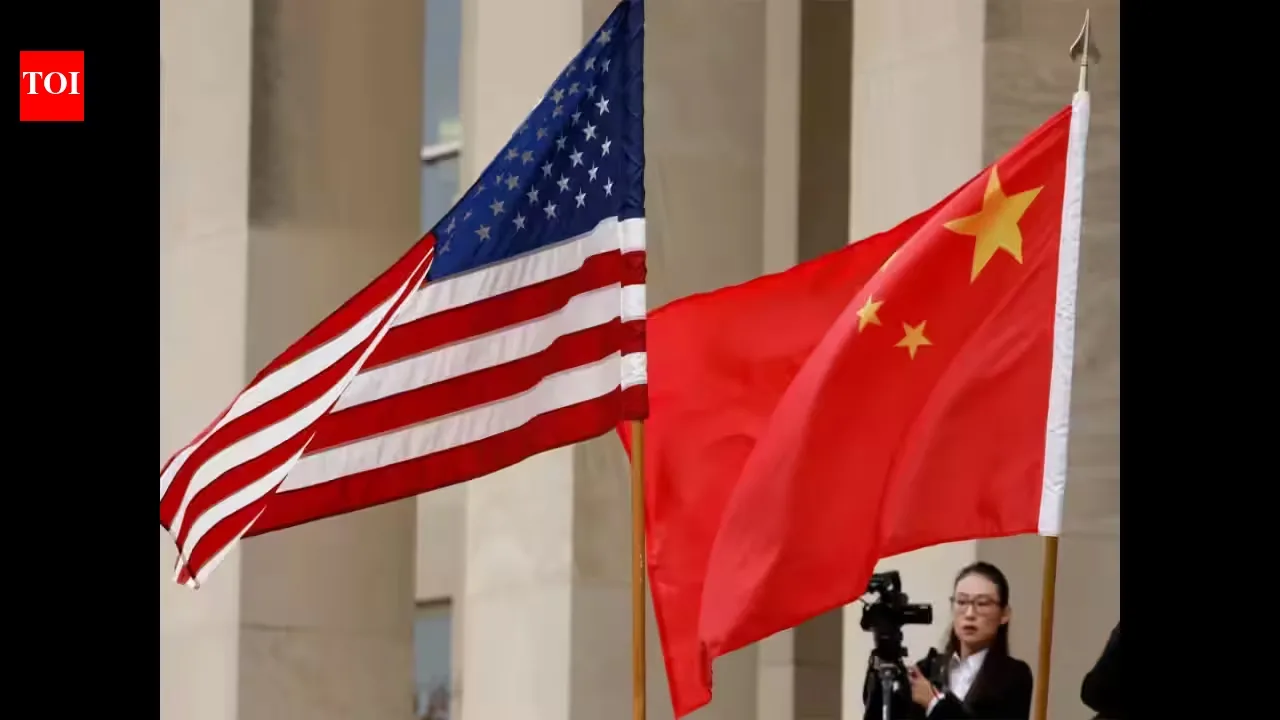
The US has extended licensing requirements for advanced AI chips to 12 countries.
Countries affected include Brazil, India, and Vietnam, among others.
Nvidia shares fell by 2.9% following the announcement of these restrictions.
The US Commerce Department has introduced new regulations aimed at restricting access to advanced artificial intelligence chips for Chinese companies and other US adversaries. Announced on November 16, these interim rules mandate that data center operators in countries such as Singapore, Malaysia, Thailand, Indonesia, and Brazil must obtain a license from the US government before acquiring advanced AI chips from manufacturers like Nvidia. This measure is intended to prevent these companies from circumventing existing export controls by utilizing remote access to computing resources located outside of China.
This regulatory shift underscores the increasing concerns within the US government regarding the ability of Chinese entities to leverage advanced cloud-computing networks to access powerful AI systems that rely on US-designed semiconductors. Even if these entities cannot import the chips directly, they can still tap into these systems remotely. By broadening the licensing requirements to include a wider array of countries, the US aims to ensure that remote access rules align with existing restrictions on the physical shipment of advanced AI hardware. Applications for licenses will be evaluated on a case-by-case basis.
The new regulations specifically target five countries—Brazil, Indonesia, Malaysia, Singapore, and Thailand—deeming them to present a “higher-than-normal risk of diversion” for advanced semiconductors. The Commerce Department's statement emphasized that these measures are designed to prevent the circumvention of restrictions on sensitive American technology through remote computing arrangements in third countries.
Exemptions within the rule allow US-based companies operating in these countries to continue shipping AI chips without a license. Additionally, shipments to data centers that serve as commercial recommender systems for online retailers or social media platforms are also exempt. The draft rule will come into effect once it is published in the Federal Register, which had not occurred as of Monday morning.
In response to the announcement, Nvidia's stock price dropped by 2.9%, while the Philadelphia Semiconductor Index fell by 5.5%. These restrictions not only impact Nvidia but also other US firms producing advanced AI processors. The timing of this draft rule coincides with increased scrutiny of US export-control enforcement, particularly following allegations involving Nvidia and Singapore-based Megaspeed International. Critics, including Treasury Secretary Scott Bessent, have suggested that the Commerce Department has been slow to tighten restrictions, indicating a push for more stringent controls from various government departments.