UK Inflation Hits 3.6% in October, Driven by Soaring Diesel Prices
The UK sees its highest inflation rate in a year, primarily due to a significant increase in motor fuel costs.
UK inflation rose to 3.6% in October, the highest in a year.
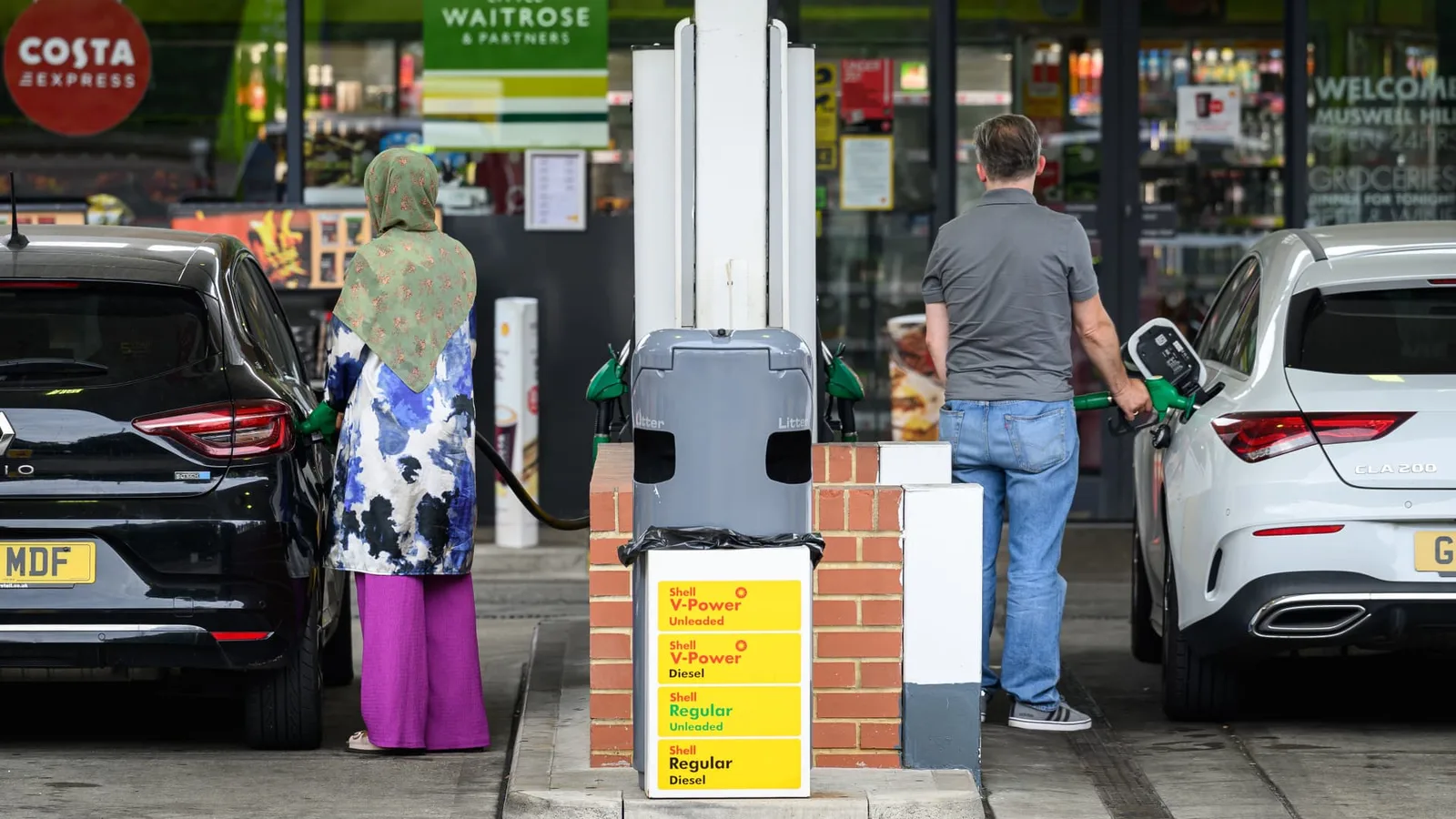
Motor fuel prices surged by 33.2% year-on-year, with diesel reaching a record 199.5 pence per liter.
The Bank of England has raised interest rates, anticipating inflation could hit 5% by mid-2027.
In October, the United Kingdom's inflation rate climbed to 3.6%, marking the highest level recorded in the past year. This increase aligns with economists' predictions and represents a slight rise from September's figure of 3.5%. The surge in inflation is largely attributed to escalating fuel costs, particularly motor fuel, which has seen a dramatic year-on-year increase.
The Office for National Statistics (ONS) reported that motor fuel prices rose by 33.2% compared to the previous year, the most significant increase since July 2022, when energy prices spiked following geopolitical tensions. As a net energy importer, the UK is particularly susceptible to fluctuations in global energy prices, including those influenced by conflicts in regions like the Strait of Hormuz.
In terms of specific figures, the average price of petrol increased by 5.2 pence per liter from September to October, reaching 174.7 pence per liter, the highest since August 2022. Diesel prices also saw a notable rise, climbing by 7 pence per liter to an average of 199.5 pence per liter, the highest since the ONS began tracking these prices in 1996. Such increases in fuel prices are expected to have a cascading effect on overall living costs.
The implications of rising inflation are significant for the UK economy. The Bank of England recently raised interest rates for the first time in three years, indicating concerns over sustained inflationary pressures. Governor Andrew Bailey warned that without resolution in the Middle East, energy prices—and consequently inflation—could continue to rise. Current market expectations suggest an 80% probability of further rate hikes in the Bank's upcoming meetings.
Looking ahead, analysts suggest that while recent declines in oil prices might provide temporary relief, the long-term outlook for UK inflation remains uncertain. Investment strategist Scott Gardner from JPMorgan highlighted that despite potential short-term benefits for consumers, the broader economic landscape may continue to face inflationary challenges as the country approaches 2027.