U.S. 10-Year Treasury Yield Hits 5.34%, Drawing Dotcom Comparisons
The rise in U.S. Treasury yields to levels not seen since 2002 prompts analysts to draw parallels with the dotcom era, despite significant economic differences.
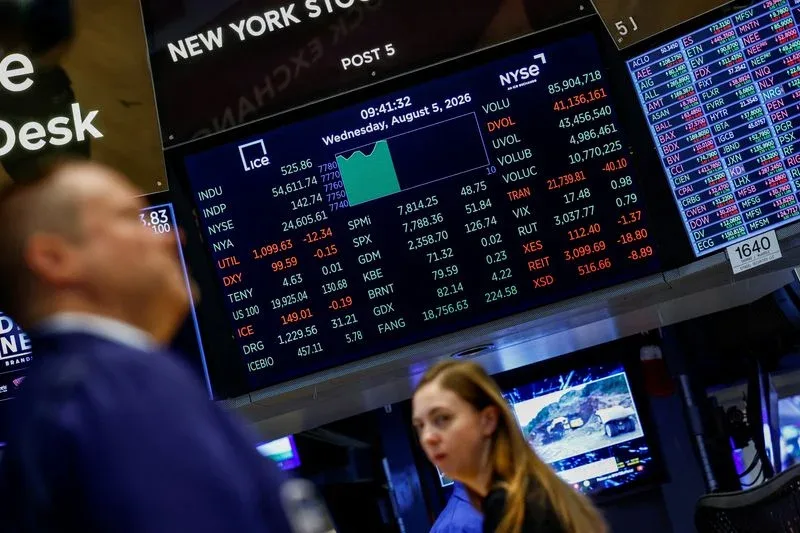
The 10-year Treasury yield recently reached 5.34%, reminiscent of the 1999 dotcom bubble.
Current inflation and fiscal conditions differ markedly from those in 1999, impacting market dynamics.
UBS analysts recommend focusing on AI-driven investments and shorter-duration bonds.
The U.S. Treasury's 10-year yield has surged to 5.34%, marking its highest point since 2002 and reigniting discussions about similarities to the late 1990s dotcom bubble. Analysts from UBS have noted that while structural drivers appear similar, the economic landscape today is significantly different, particularly regarding inflation and government finances.
In 1999, as the dotcom bubble approached its zenith, the 10-year yield peaked at approximately 5.8%. The current economic environment, however, features a core CPI inflation rate of 2.4%, compared to 1.9% in 1999. The Federal Reserve's recent actions, including a rate hike to 3.75%-4% in September, reflect ongoing concerns about persistent inflation, exacerbated by recent energy price shocks.
UBS's chief investment officer for the Americas, Ulrike Hoffmann-Burchardi, emphasized that while both eras experienced a rise in capital costs and tight credit spreads, the fiscal context has shifted dramatically. In 1999, the U.S. enjoyed a budget surplus and actively bought back long-term bonds, creating scarcity. Today, however, budget deficits exceed 6% of GDP, leading to an abundance of long-term securities and a demand for term premiums from investors.
The implications of these economic conditions extend beyond mere comparisons to the past. Current market sentiment indicates skepticism about the likelihood of sustained rate hikes, with the probability of an October increase dropping from 70% to just over 20% following recent comments from Fed officials and disappointing employment data. Hoffmann-Burchardi suggests that a pause in rate hikes may not significantly lower long yields if term premiums remain high, necessitating productivity-driven growth to stabilize borrowing costs.
Looking ahead, UBS advises investors to remain focused on sectors benefiting from AI-driven productivity gains, diversify their portfolios across equities and high-quality fixed income, and prioritize shorter-duration bonds. As the market navigates these complex dynamics, the path forward will be closely monitored by both analysts and investors alike.