Trump Highlights India's Economic Growth Amid US Interest Rate Debate
During a news conference, President Trump commended India's low interest rates and economic growth while criticizing the US Federal Reserve's policies.
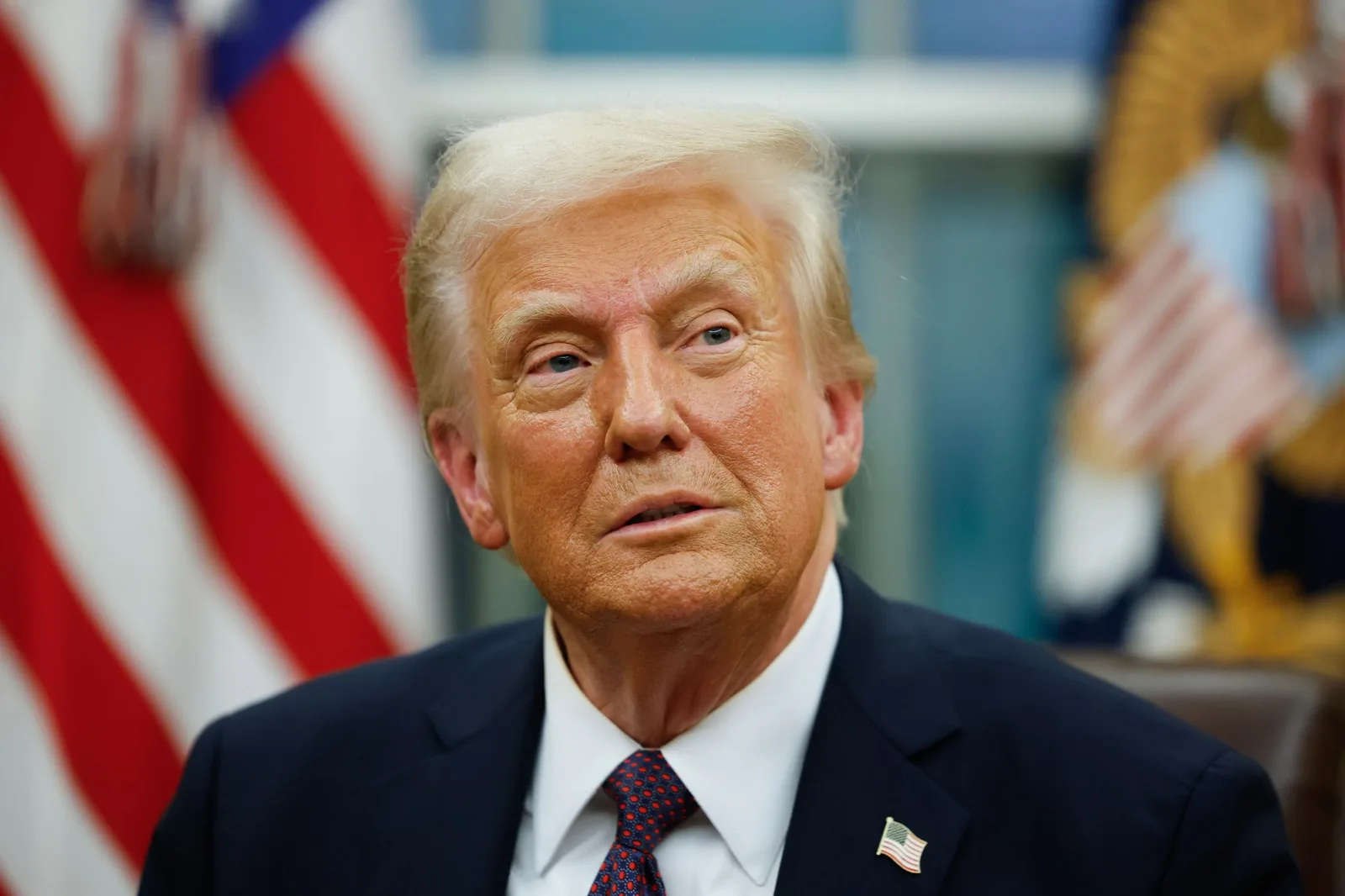
Trump praised India's economic growth of approximately 7%.
He argued that US growth could increase significantly with lower interest rates.
The President linked his tariff policies to increased manufacturing investments in the US.
In a recent news conference held in Washington, US President Donald Trump lauded India's robust economic growth and low interest rates, contrasting them with the US Federal Reserve's high borrowing costs. This statement came after his four-day trip to Asia, where he observed various economic strategies.
Trump highlighted India's impressive economic growth rate of around seven percent, suggesting that the US economy, currently expanding at about four percent, could potentially grow by 14 to 20 percent if the Federal Reserve were to reduce interest rates. He criticized the Federal Reserve for maintaining high rates despite positive economic indicators, implying that such policies hinder the US economy's potential.
The President emphasized that a one percentage point reduction in interest rates could save the US approximately $650 billion in debt payments. He pointed out that investments in manufacturing have surged, with factory activity reportedly increasing for ten consecutive months and new equipment investments rising by 21 percent this year. Trump attributed these positive trends to his administration's tariff policies, which he claims have encouraged companies like Audi and Toyota to invest in American manufacturing.
Additionally, Trump noted the decline in oil and petrol prices as further evidence of economic improvement. He suggested that future petrol prices might be influenced by potential negotiations between the US and Iran, indicating a broader context for economic conditions. The Federal Reserve's role in setting interest rates is primarily guided by economic factors such as inflation and employment, aiming to maintain price stability and support maximum employment.
Looking ahead, the debate over interest rates is likely to continue as the Federal Reserve assesses economic conditions. Trump's comments may influence public perception and discussions surrounding monetary policy as the administration pushes for lower borrowing costs to stimulate growth.