Surge in Nvidia AI Chip Supply Linked to US Export Restrictions
Nvidia faces an influx of AI chips in the market due to new US regulations limiting Chinese access.
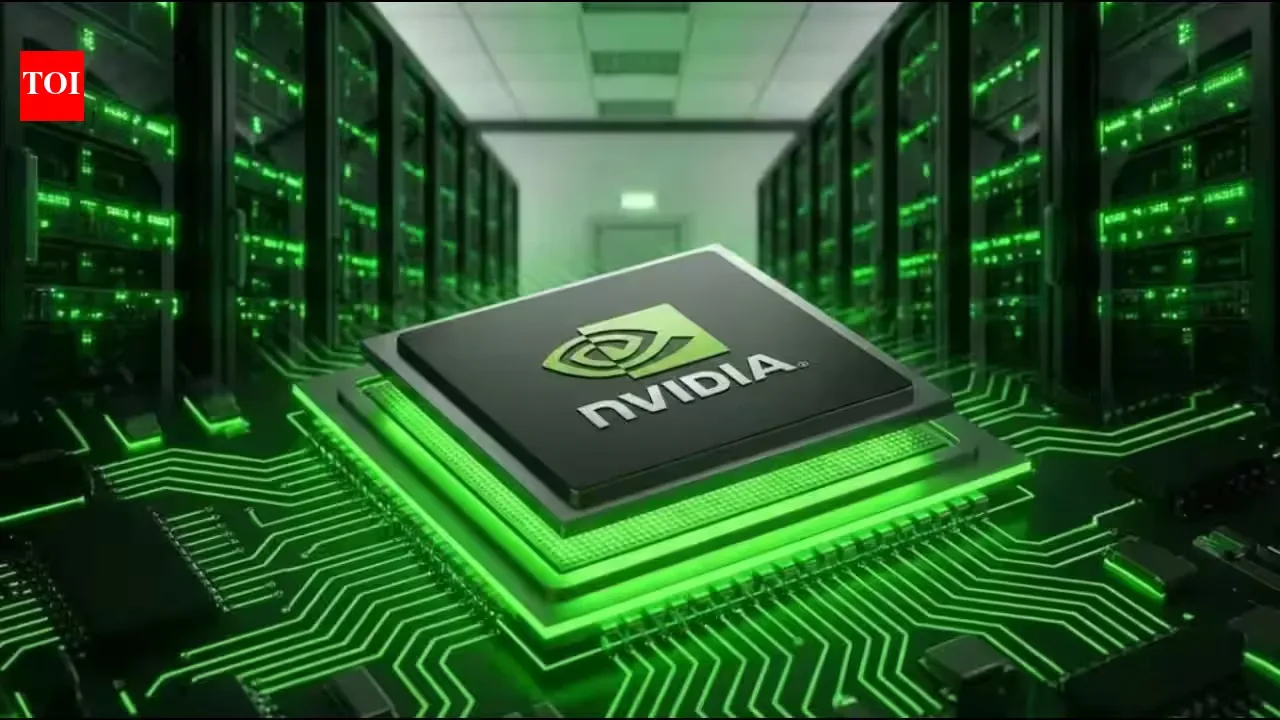
Nvidia's AI chip supply has surged following US export restrictions.
New rules prevent Chinese firms from accessing advanced Nvidia hardware remotely.
The crackdown aims to close loopholes exploited by Chinese companies.
A significant increase in the availability of Nvidia's advanced artificial intelligence (AI) chips has been observed in the market, attributed to recent US regulations aimed at restricting Chinese companies' access to high-performance computing hardware. This surge began shortly after the Trump administration announced new restrictions on November 16, which prevent Chinese firms from renting access to Nvidia's top-tier chips through overseas data centers.
The US Department of Commerce's Bureau of Industry and Security (BIS) implemented these measures as an interim final rule, effective November 19. The regulations specifically target firms attempting to circumvent US export controls by accessing Nvidia chips remotely from third-party facilities. As a result, direct sales of Nvidia's most advanced chips to China are now prohibited.
Jack Duhamel, president of GPU Mart, an AI infrastructure marketplace, confirmed that the influx of GPUs for sale is directly related to these new restrictions. He noted that one seller explicitly stated their decision to sell was prompted by the new rule, with sources indicating that the hardware was initially intended for data centers catering to Chinese clients.
In light of these developments, offers to sell thousands of Nvidia's B300 GPUs, among the company's most advanced products, have emerged. This crackdown follows increasing scrutiny from US lawmakers regarding how Chinese firms manage to access cutting-edge American AI technology. US Trade Representative Jamieson Greer emphasized that the new rules are designed to eliminate workarounds that allow indirect access to these technologies.
The US has previously accused Chinese AI lab Moonshot AI of accessing Nvidia chips through a facility in Thailand, and reports indicate attempts to gain access via European data centers. Additionally, Nvidia has cautioned its customers that the proposed Remote Access Security Act could empower the US government to monitor cloud service access more closely, potentially leading to legal repercussions for both Nvidia and its clients.