SEBI Explores MTF Limits; Capital Market Stocks Dip
On November 18, SEBI's Tuhin Kanta Pandey announced considerations for linking MTF limits to stock free float, causing market reactions.
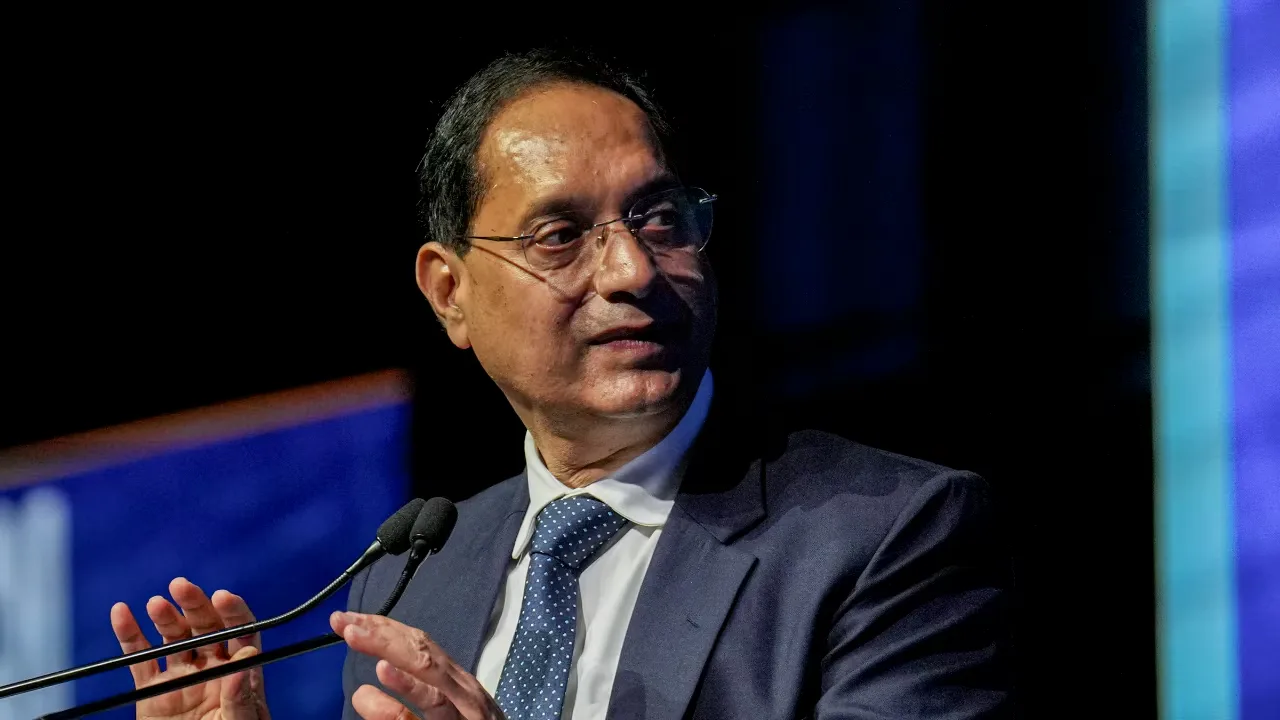
SEBI is contemplating linking MTF limits to stock free float but has not made a decision yet.
Capital market stocks, including Angel One and BSE, saw declines of up to 2% following the announcement.
The MTF market has nearly doubled in size over the past two years, raising regulatory concerns.
On November 18, Tuhin Kanta Pandey, the chairman of the Securities and Exchange Board of India (SEBI), revealed that the regulatory body is considering a proposal to link Margin Trading Facility (MTF) limits to the free float of stocks. However, he clarified that no definitive decision has been made regarding this potential change. This announcement has stirred reactions in the capital markets, particularly affecting stocks like Angel One and BSE, which experienced declines of up to 2% in trading.
The context for this consideration stems from the rapid growth of India's MTF market, which has expanded nearly twofold over the last two years, reaching a valuation of approximately Rs 1.5 lakh crore. This growth has been fueled by increased regulatory scrutiny in the index options market and the rise of discount brokers offering margin lending services. Despite this growth, the MTF book's size remains about 1.2 times the average daily turnover in cash markets, which is comparable to China but lower than in more developed markets.
In a report by global brokerage Jefferies, it was noted that only 4% of the MTF book is in stocks where the exposure exceeds 10% of free float, and this figure rises to 23% if the threshold is lowered to 5%. The MTF book is essential for generating pledge income for depositories, contributing 2-3% of consolidated revenues for CDSL and driving cash turnover for exchanges like NSE and BSE. Jefferies indicated that the potential shift in MTF exposure from less liquid to more liquid stocks might limit the impact on exchanges and depositories.
The implications of these developments are significant for the broader market and retail investors. With margin-funded stock purchases reaching record levels, concerns have been raised about the potential risks involved, particularly in the event of a market downturn. The regulator is reportedly considering restrictions on new margin-funded purchases when leverage in a stock surpasses a certain threshold linked to its free float. This reflects growing unease among regulators regarding the rapid expansion of leveraged retail trading, which allows investors to buy stocks using borrowed funds at interest rates ranging from 9-18%.
Looking ahead, the market will be closely monitoring SEBI's next steps regarding MTF regulations. Analysts suggest that while potential curbs may have a marginal effect on MTF growth, the product is still expected to see a compound annual growth rate (CAGR) of 25% from FY26 to FY30. As the situation develops, stakeholders in the capital markets will need to stay informed about regulatory changes and their potential impacts on trading dynamics.