SBI Research Proposes Major Reforms to LTCG Tax Structure
SBI Research outlines five key recommendations to reform long-term capital gains tax, including a zero-tax policy after three years.
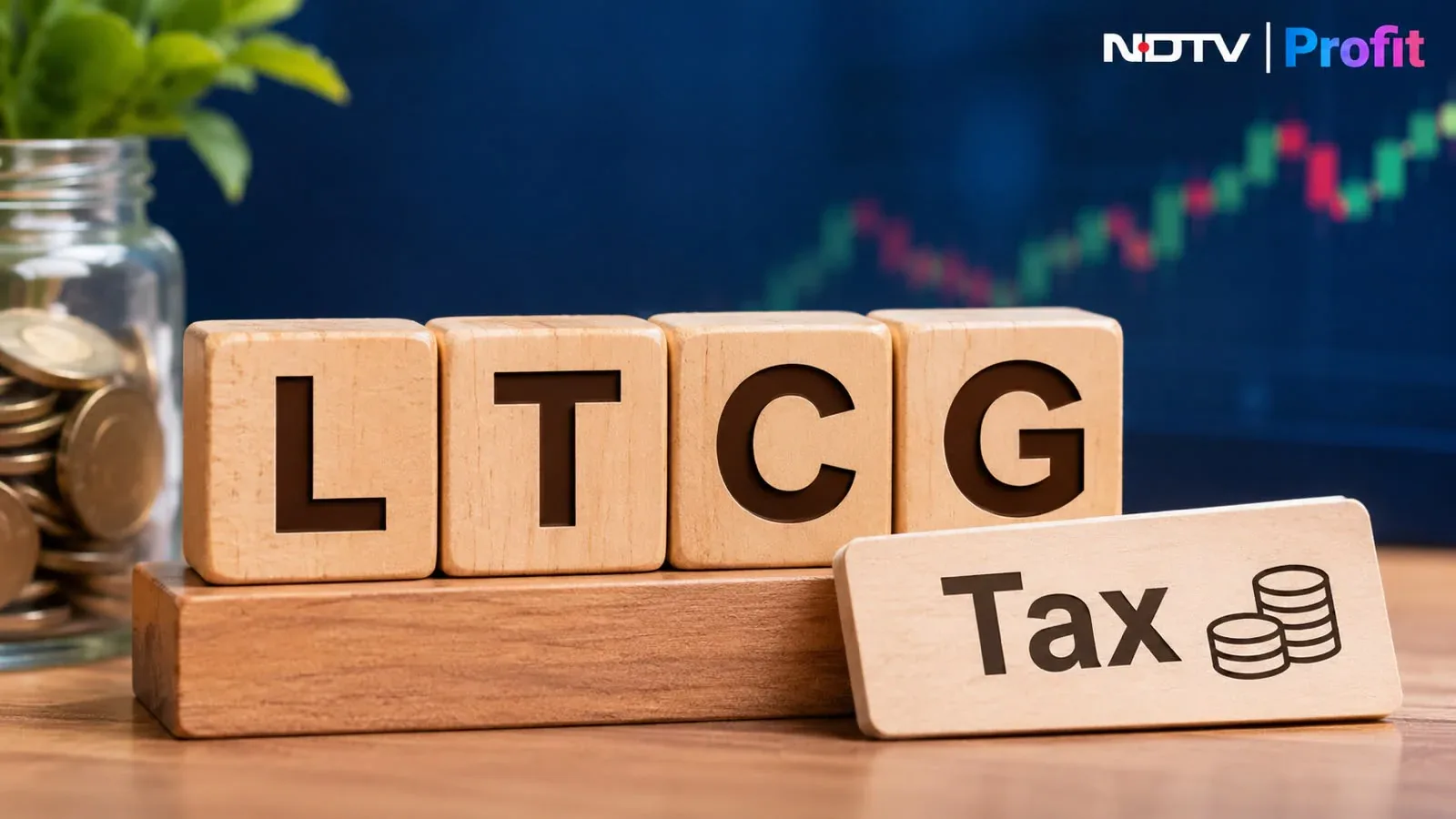
SBI suggests linking LTCG exemption limits to inflation.
Proposed lower tax rates for investments held over 2-3 years.
Abolishing LTCG tax could lead to a revenue shortfall of Rs 40,000-50,000 crore.
In a recent report, SBI Research has proposed significant reforms to India's long-term capital gains (LTCG) tax framework. The recommendations include raising the exemption limit linked to inflation and introducing lower tax rates for investments held for longer periods. These suggestions aim to encourage long-term investment and provide relief to investors amidst fluctuating market conditions.
The call for reform comes as the Securities and Exchange Board of India (SEBI) considers exempting LTCG tax for investors who sell mutual fund investments to reinvest in other schemes. SBI Research's report emphasizes the need for a comprehensive review of the capital gains taxation system, particularly in light of the modest revenue collections expected in the coming years.
According to SBI, the government collected Rs 1.3 lakh crore from LTCG tax in FY25, primarily due to a strong stock market performance that year. However, the report indicates that the average annual return of the Nifty index has been just 0.5% over the last three years, with significant outflows from foreign institutional investors. This context raises questions about the sustainability of LTCG tax revenue.
SBI's five key suggestions include increasing the LTCG exemption limit, which is currently set at Rs 1.25 lakh, and proposing a zero-tax rate for investments held beyond two to three years. The report also advocates for a review of the securities transaction tax (STT) alongside LTCG, suggesting that a 50% increase in STT could generate additional revenue to offset potential losses from LTCG tax concessions.
Looking ahead, SBI Research estimates that abolishing the LTCG tax could result in a revenue shortfall of Rs 40,000-50,000 crore in FY28, which they believe the government could accommodate within its fiscal framework. As discussions continue, stakeholders in the financial sector will be closely monitoring these developments and their implications for investment strategies and tax policies.